
Overview
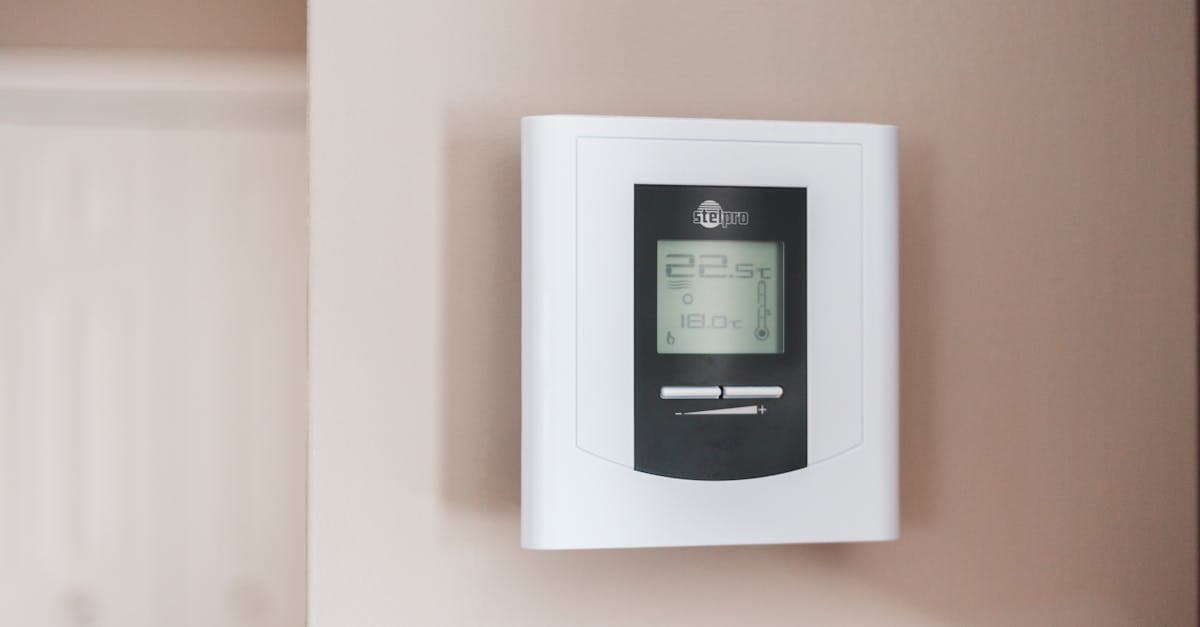
Programmable thermostats automatically adjust your home's temperature based on a schedule, reducing energy use when you're away or asleep. They're one of the most cost-effective home improvements, typically paying for themselves within a year through energy savings. This guide covers the benefits and considerations of upgrading to a programmable thermostat.
Why This Matters
Heating and cooling account for 40-50% of home energy costs. Programmable thermostats can reduce these costs by 10-15% simply by avoiding unnecessary heating and cooling when you're not home. The upgrade pays for itself quickly and provides ongoing savings for years.
Energy Savings
Automatic Temperature Adjustment
How it works:
- Set schedule - Program for your routine
- Automatic adjustment - Reduces heating/cooling when away
- Comfort maintained - Returns to comfortable temperature before you arrive
- Sleep settings - Lower temperatures at night save energy
Typical Savings
Annual savings:
- 10-15% reduction in heating costs
- 10-15% reduction in cooling costs
- $100-$200 per year for typical home
- Payback period: 6-12 months typically
Comfort Benefits
Consistent Temperature Control
Advantages:
- Maintains comfort - Returns to set temperature automatically
- No manual adjustment - Set it and forget it
- Multiple schedules - Different settings for weekdays/weekends
- Zone control - If you have multiple thermostats
Better Sleep
Night settings:
- Cooler at night - Better sleep quality
- Automatic adjustment - No need to remember
- Energy savings - Lower temperature saves money
Types of Programmable Thermostats
Basic Programmable
Features:
- 7-day programming - Different schedule each day
- Multiple periods - Morning, day, evening, night
- Simple interface - Easy to program
- Cost: $30-$80
Smart Thermostats
Additional features:
- Wi-Fi connectivity - Control from phone
- Learning capability - Adapts to your schedule
- Energy reports - Track usage and savings
- Remote sensors - Better temperature control
- Cost: $150-$300
Installation Considerations
DIY Installation
Most homeowners can:
- Turn off power - Safety first
- Remove old thermostat - Simple process
- Wire new thermostat - Follow instructions
- Program schedule - Set up routine
Time: 30-60 minutes typically
Professional Installation
Consider if:
- Complex HVAC system - Multiple zones, heat pump, etc.
- Uncomfortable with electrical work
- Want warranty on installation
- Smart thermostat - May require professional setup
Cost: $100-$300 for installation
Programming Tips
Effective Schedule
Recommended settings:
- Wake time - Return to comfortable temperature
- Away time - Lower (winter) or higher (summer) by 7-10°F
- Return time - Back to comfortable before arrival
- Sleep time - Lower temperature for sleep
Seasonal Adjustments
Adjust for:
- Summer - Higher away temperature
- Winter - Lower away temperature
- Vacation - Extended away settings
- Schedule changes - Update as routine changes
Smart Thermostat Benefits
Advanced Features
Smart thermostats offer:
- Learning - Adapts to your schedule automatically
- Remote control - Adjust from anywhere
- Energy tracking - See usage and savings
- Maintenance alerts - Filter reminders, etc.
- Integration - Works with other smart home devices
Additional Savings
Smart features:
- Geofencing - Adjusts when you leave/return
- Weather integration - Adjusts based on forecast
- Usage optimization - Learns most efficient settings
- Potential savings: 15-20% vs. 10-15% for basic programmable
Cost Considerations
Upfront Cost
Basic programmable:
- Thermostat: $30-$80
- Installation: DIY or $100-$200
- Total: $30-$280
Smart thermostat:
- Thermostat: $150-$300
- Installation: DIY or $100-$300
- Total: $150-$600
Return on Investment
Payback period:
- Basic: 6-12 months
- Smart: 12-24 months (but more features)
- Ongoing savings: $100-$200+ per year
Common Mistakes to Avoid
Not Programming
Don't: Install but never program Do: Set up schedule immediately
Over-Adjusting
Don't: Set extreme temperature differences Do: 7-10°F difference is optimal
Ignoring Schedule
Don't: Override schedule constantly Do: Adjust schedule if routine changes
Maintenance
Regular Care
Keep thermostat:
- Clean - Dust can affect accuracy
- Level - Ensures accurate readings
- Updated - Smart thermostats may need updates
- Batteries replaced - If battery-powered backup
When to Upgrade
Good Time to Upgrade
Consider if:
- Old manual thermostat - No programming capability
- High energy bills - Reduce costs
- Want convenience - Automatic adjustment
- Home renovation - Good time to upgrade
- System replacement - Upgrade thermostat too
Conclusion
Programmable thermostats are one of the best investments for reducing energy costs and improving comfort. They pay for themselves quickly through energy savings and provide ongoing benefits. Whether you choose a basic programmable model or a smart thermostat, the automatic temperature adjustment saves money and improves your home's efficiency. The key is proper programming and using the schedule effectively.
Frequently Asked Questions
How much can a programmable thermostat save?
Programmable thermostats can reduce heating and cooling costs by 10-15% by automatically adjusting temperatures when you're away or sleeping. Smart thermostats can save even more.
Are programmable thermostats hard to install?
Basic programmable thermostats are relatively easy to install for most homeowners. Smart thermostats may require professional installation depending on your HVAC system.
What's the difference between programmable and smart thermostats?
Programmable thermostats follow a set schedule. Smart thermostats learn your habits, can be controlled remotely, and often provide energy usage reports and additional features.