
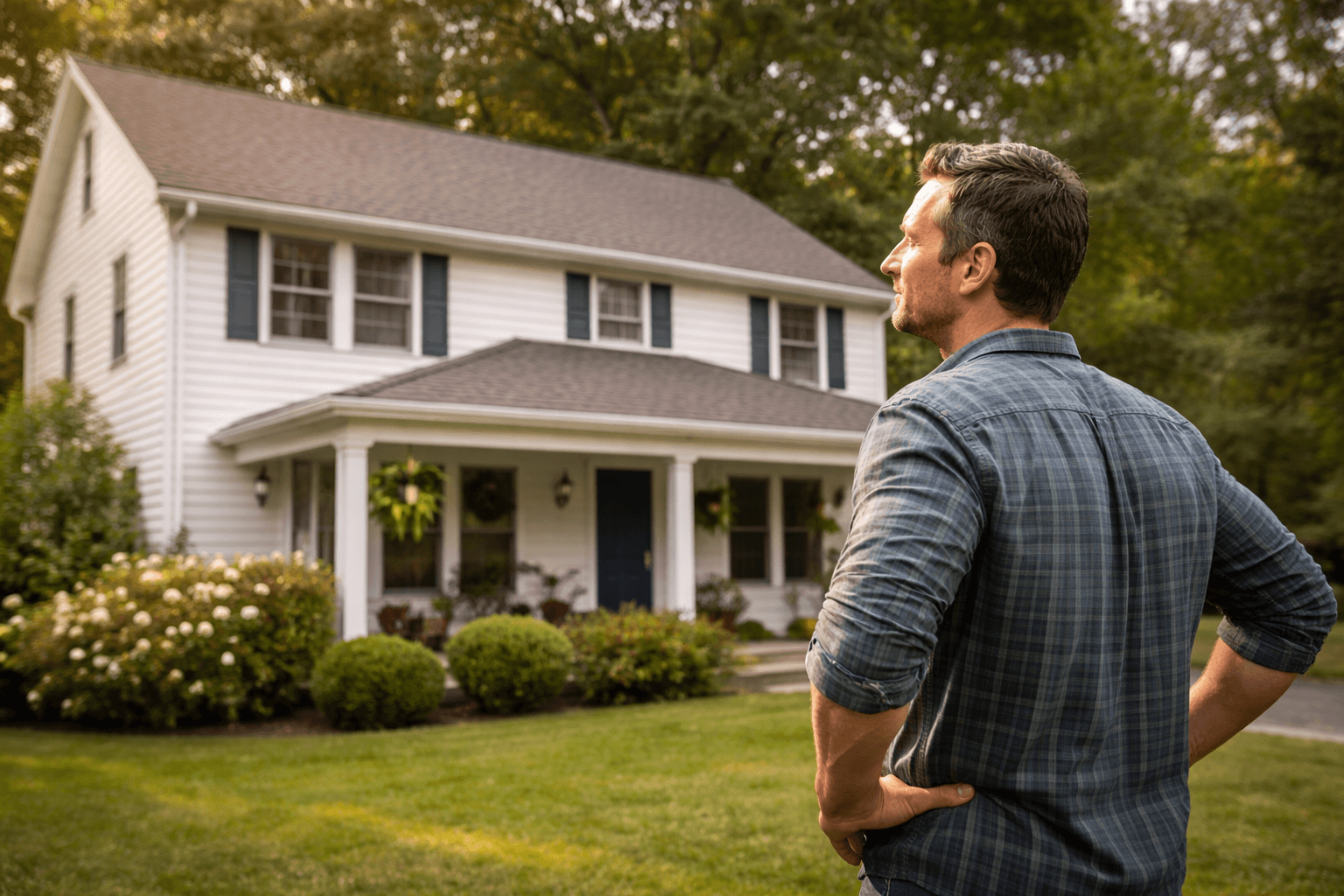
Strategic home improvements can significantly increase resale value and help your home sell faster. Focus on upgrades that provide the best return on investment and appeal to the broadest range of potential buyers.
Why This Matters
Strategic upgrades:
- Increase home value (typically 60-80% ROI on best projects)
- Help sell faster with improved appeal
- Maximize return on investment
- Attract more buyers with modern features
- Justify higher asking price with improvements
Not all improvements provide equal returns. Focus on upgrades that address buyer priorities: functionality, energy efficiency, and curb appeal rather than luxury features.
Highest ROI Upgrades
Minor Kitchen Remodel (70-80% ROI)
What to upgrade:
- Replace cabinet fronts and hardware
- Update countertops
- Install new sink and faucet
- Refresh paint
- Update lighting
- Replace appliances (if needed)
Cost:
- $10,000-$25,000 typically
- Varies by scope
- Focus on functional improvements
- Avoid over-improving
Benefits:
- High buyer appeal
- Functional improvement
- Modern appearance
- Good ROI
Considerations:
- Keep neutral colors
- Focus on functionality
- Don't over-improve
- Match neighborhood standards
Bathroom Remodel (60-70% ROI)
What to upgrade:
- Replace fixtures
- Update vanity and countertop
- Refresh tile and paint
- Improve lighting
- Add storage
- Fix any issues
Cost:
- $5,000-$15,000 typically
- Varies by scope
- Focus on essential updates
- Avoid luxury features
Benefits:
- High buyer priority
- Functional improvement
- Modern appearance
- Good ROI
Considerations:
- Keep neutral
- Focus on function
- Fix problems
- Don't over-improve
New Siding (75-80% ROI)
What to upgrade:
- Replace old or damaged siding
- Improve curb appeal
- Enhance energy efficiency
- Modern appearance
Cost:
- $8,000-$20,000 typically
- Varies by material and size
- Significant investment
- Long-term benefit
Benefits:
- Excellent curb appeal
- Energy efficiency
- Low maintenance
- High ROI
Considerations:
- Choose durable materials
- Match neighborhood
- Consider energy efficiency
- Professional installation
New Windows (70-80% ROI)
What to upgrade:
- Replace old, inefficient windows
- Improve energy efficiency
- Enhance appearance
- Reduce maintenance
Cost:
- $8,000-$20,000+ typically
- Varies by number and type
- Significant investment
- Long-term benefit
Benefits:
- Energy efficiency appeal
- Improved appearance
- Reduced maintenance
- Good ROI
Considerations:
- Energy-efficient models
- Professional installation
- Match home style
- Consider when replacing anyway
Deck Addition (65-75% ROI)
What to add:
- Wood or composite deck
- Functional outdoor space
- Appeal to buyers
- Moderate cost
Cost:
- $5,000-$15,000 typically
- Varies by size and materials
- Moderate investment
- Good return
Benefits:
- Functional outdoor space
- Buyer appeal
- Moderate cost
- Good ROI
Considerations:
- Match home style
- Proper permits
- Quality materials
- Professional installation
Moderate ROI Upgrades
Attic Insulation (100%+ ROI)
What to upgrade:
- Add insulation to recommended levels
- Improve energy efficiency
- Reduce heating/cooling costs
- Buyer appeal
Cost:
- $1,000-$3,000 typically
- Varies by size
- Moderate investment
- Excellent return
Benefits:
- Energy efficiency
- Low cost
- High ROI
- Buyer value
Considerations:
- Professional installation
- Proper levels
- Energy savings
- Immediate benefit
Garage Door Replacement (90-95% ROI)
What to upgrade:
- Replace old or damaged door
- Improve curb appeal
- Enhance security
- Modern appearance
Cost:
- $1,500-$4,000 typically
- Varies by type
- Moderate investment
- Excellent return
Benefits:
- Curb appeal
- Security
- Low maintenance
- High ROI
Considerations:
- Match home style
- Quality materials
- Professional installation
- Good investment
Entry Door Replacement (60-70% ROI)
What to upgrade:
- Replace old or damaged door
- Improve security
- Enhance appearance
- Energy efficiency
Cost:
- $1,000-$3,000 typically
- Varies by type
- Moderate investment
- Good return
Benefits:
- First impression
- Security
- Energy efficiency
- Good ROI
Considerations:
- Quality materials
- Professional installation
- Match home style
- Security features
HVAC System Upgrade (50-60% ROI)
What to upgrade:
- Replace old, inefficient system
- Improve energy efficiency
- Enhance comfort
- Reduce maintenance
Cost:
- $3,000-$10,000+ typically
- Varies by system
- Significant investment
- Moderate return
Benefits:
- Energy efficiency
- Buyer appeal
- Reduced maintenance
- Improved comfort
Considerations:
- High-efficiency models
- Professional installation
- Consider when replacing anyway
- Energy savings
Curb Appeal Improvements
Landscaping
What to improve:
- Clean up yard
- Add mulch and plants
- Trim trees and shrubs
- Improve lawn
- Add lighting
Cost:
- $500-$3,000 typically
- Varies by scope
- Low to moderate cost
- Good impact
Benefits:
- First impression
- Low cost
- Immediate impact
- Buyer appeal
Considerations:
- Keep it simple
- Low maintenance
- Clean and tidy
- Professional appearance
Exterior Paint
What to improve:
- Fresh paint on exterior
- Modern colors
- Good condition
- Curb appeal
Cost:
- $3,000-$8,000 typically
- Varies by size
- Moderate investment
- Good return
Benefits:
- Curb appeal
- Modern appearance
- Good condition
- Buyer appeal
Considerations:
- Neutral colors
- Quality paint
- Professional work
- Match neighborhood
Driveway and Walkways
What to improve:
- Repair cracks
- Clean and seal
- Improve appearance
- Good condition
Cost:
- $1,000-$5,000 typically
- Varies by scope
- Moderate investment
- Good impact
Benefits:
- Curb appeal
- Good condition
- Professional appearance
- Buyer appeal
Considerations:
- Essential repairs
- Clean appearance
- Quality work
- Good condition
Essential Repairs
Fix Major Issues
Priority repairs:
- Roof problems
- Foundation issues
- Plumbing problems
- Electrical issues
- HVAC problems
Impact:
- Required for sale
- Prevents negotiation issues
- Protects value
- Essential
Considerations:
- Address before listing
- Professional repairs
- Proper documentation
- Essential for sale
Address Safety Issues
Priority fixes:
- Safety hazards
- Code violations
- Structural problems
- Environmental issues
Impact:
- Required for sale
- Legal requirements
- Protects buyers
- Essential
Considerations:
- Address immediately
- Professional assessment
- Proper repairs
- Documentation
Upgrades to Avoid
Over-Improving
What to avoid:
- Improvements beyond neighborhood
- Luxury features in modest area
- Personal preferences
- Niche features
Why:
- Won't recoup costs
- Limits buyer pool
- Poor ROI
- Over-investment
Highly Personal Choices
What to avoid:
- Bold colors
- Unique features
- Personal style
- Niche preferences
Why:
- Limits appeal
- May turn off buyers
- Poor investment
- Personal taste
Unnecessary Luxury
What to avoid:
- High-end finishes in modest home
- Luxury features
- Over-the-top improvements
- Unnecessary upgrades
Why:
- Poor ROI
- Over-improving
- Won't recoup costs
- Unnecessary expense
Strategic Planning
Market Research
What to research:
- Neighborhood standards
- Buyer preferences
- Comparable sales
- Market conditions
Benefits:
- Informed decisions
- Appropriate improvements
- Good ROI
- Market alignment
Budget Planning
Guidelines:
- 1-3% of home value typically
- Focus on high-ROI projects
- Essential repairs first
- Avoid over-improving
Considerations:
- Set budget
- Prioritize projects
- Focus on ROI
- Avoid overspending
Timing
When to upgrade:
- Before listing
- During slow market
- When replacing anyway
- Strategic timing
Considerations:
- Market conditions
- Buyer preferences
- Your timeline
- Cost-effectiveness
Cost Considerations
High-ROI Projects ($1,000-$5,000)
Examples:
- Attic insulation: $1,000-$3,000
- Garage door: $1,500-$4,000
- Entry door: $1,000-$3,000
- Landscaping: $500-$3,000
Total potential:
- Investment: $4,000-$13,000
- ROI: 60-100%+
- Good return
- Moderate cost
Moderate-ROI Projects ($5,000-$15,000)
Examples:
- Minor kitchen remodel: $10,000-$25,000
- Bathroom remodel: $5,000-$15,000
- Deck addition: $5,000-$15,000
Total potential:
- Investment: $20,000-$55,000
- ROI: 60-80%
- Good return
- Significant investment
Lower-ROI Projects ($15,000+)
Examples:
- Major kitchen remodel: $30,000-$60,000+
- Complete renovation: $50,000-$100,000+
- Major additions: $50,000-$150,000+
Considerations:
- Lower ROI typically
- Significant investment
- Consider carefully
- Market-dependent
Maintenance Schedule
Before listing:
- Complete essential repairs
- Address safety issues
- Clean and declutter
- Make high-ROI improvements
Ongoing:
- Maintain improvements
- Keep home in good condition
- Address issues promptly
- Preserve value
Conclusion
Strategic home upgrades can significantly increase resale value when focused on high-ROI improvements that appeal to buyers. Prioritize essential repairs, energy efficiency, and curb appeal over luxury features. Focus on neutral, functional improvements that provide the best return on investment.
For more home improvement guidance, explore our articles on easy home efficiency upgrades that pay off and learn about inexpensive ways to boost curb appeal to maximize your home's value.
Frequently Asked Questions
What home upgrades provide the best return on investment?
Best ROI upgrades include: minor kitchen remodels (70-80% ROI), bathroom remodels (60-70% ROI), new siding (75-80% ROI), new windows (70-80% ROI), and deck additions (65-75% ROI). Focus on improvements that enhance functionality, curb appeal, and energy efficiency rather than luxury features.
Should I renovate before selling my home?
Renovate before selling if: improvements address major issues, upgrades are in high demand in your market, you can do work cost-effectively, and you'll recoup costs. However, some buyers prefer to choose their own finishes, so focus on essential repairs and neutral, functional improvements rather than personal preferences.
What upgrades should I avoid before selling?
Avoid: highly personalized improvements, luxury features that don't match neighborhood, over-improving for the area, and major structural changes unless necessary. Focus on neutral, functional improvements that appeal to broad buyer preferences rather than niche or expensive features.
How much should I spend on upgrades before selling?
General rule: spend 1-3% of home value on pre-sale improvements, focusing on essential repairs, curb appeal, and high-ROI upgrades. Avoid over-improving beyond neighborhood standards. Prioritize repairs and functional improvements over luxury features. Consult with a real estate agent for market-specific guidance.