
Overview
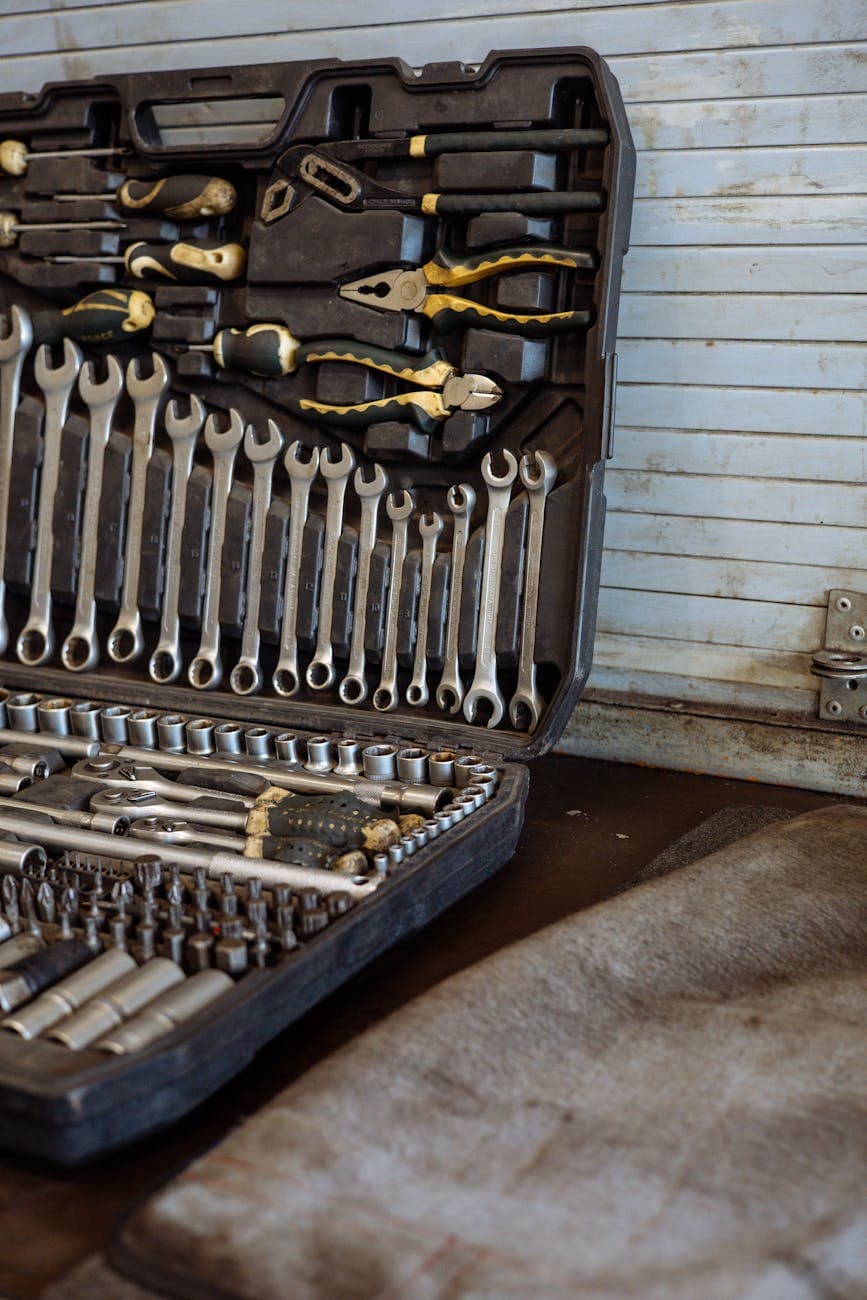
Having the right tools makes DIY projects easier, safer, and more successful. Building a basic tool collection doesn't require a huge investment, but choosing quality tools that last saves money over time. This guide covers essential tools for common home maintenance and DIY projects.
Why This Matters
The right tools make projects faster, safer, and produce better results. Poor-quality or missing tools lead to frustration, mistakes, and sometimes dangerous situations. A well-chosen tool collection pays for itself by enabling DIY work that would otherwise require hiring professionals.
Essential Hand Tools
Hammer
Uses: Nailing, light demolition, general tasks Types:
- Claw hammer - Most versatile (16 oz recommended)
- Rubber mallet - For delicate work
- Ball peen hammer - Metalworking
Quality: Mid-range ($15-$30) sufficient for most homeowners
Screwdrivers
Essential set:
- Phillips - #1, #2 sizes (most common)
- Flathead - Multiple sizes
- Multi-bit driver - Convenient alternative
Quality: Mid-range set ($20-$40) covers most needs
Adjustable Wrench
Uses: Plumbing, furniture assembly, general tasks Sizes: 6-inch and 10-inch recommended Quality: Mid-range ($15-$25 each)
Pliers
Types needed:
- Slip-joint pliers - General purpose
- Needle-nose pliers - Detailed work
- Channel locks - Plumbing tasks
Quality: Basic set ($20-$40) sufficient
Measuring and Marking Tools
Tape Measure
Essential features:
- 25-foot length - Covers most projects
- Locking mechanism - Prevents retraction
- Clear markings - Easy to read
Quality: Mid-range ($10-$20) recommended
Level
Types:
- 2-foot level - Most versatile
- Torpedo level - For tight spaces
- Laser level - For advanced projects (optional)
Quality: Mid-range ($15-$40) sufficient
Utility Knife
Uses: Cutting, scoring, general tasks Features: Retractable blade, replaceable blades Quality: Basic ($5-$15) works well
Power Tools
Drill
Essential features:
- Cordless - Most convenient
- Variable speed - Better control
- Keyless chuck - Easier bit changes
- Multiple torque settings - Prevents overdriving
Quality: Mid-range cordless ($60-$150) recommended
Circular Saw
Uses: Cutting lumber, plywood, general construction Types: Corded (more power) or cordless (convenience) Quality: Mid-range ($80-$150) sufficient for most
Reciprocating Saw
Uses: Demolition, cutting pipes, rough cuts When needed: Major projects, renovations Quality: Mid-range ($60-$120) or rent for occasional use
Specialty Tools
Stud Finder
Uses: Locating studs for hanging items Types: Basic magnetic or electronic Quality: Basic electronic ($15-$30) recommended
Flashlight/Headlamp
Uses: Working in dark spaces, inspections Types: LED headlamp most convenient Quality: Basic ($10-$25) sufficient
Putty Knife
Uses: Drywall repair, scraping, applying compounds Sizes: 1-inch, 2-inch, 4-inch recommended Quality: Basic set ($5-$15) works well
Tool Storage
Basic Organization
Options:
- Toolbox - Portable, organized
- Tool bag - Lightweight, easy to carry
- Wall-mounted - For garage or workshop
Quality: Mid-range ($30-$80) provides good organization
Building Your Collection
Starter Set
Minimum essentials:
- Hammer
- Screwdriver set
- Adjustable wrench
- Tape measure
- Level
- Utility knife
- Drill
Cost: $150-$300 for quality starter set
Expanding Collection
Add as needed:
- Based on projects - Buy tools for specific tasks
- Quality over quantity - Better to have fewer good tools
- Consider renting - For specialized, infrequent use
Quality Considerations
When to Invest
Invest in quality for:
- Frequently used tools - Better value long-term
- Safety-critical tools - Don't compromise
- Precision tools - Level, measuring tools
When Basic is Fine
Basic quality sufficient for:
- Occasional use - Tools used rarely
- Disposable items - Utility knife blades, etc.
- Learning projects - Upgrade later if needed
Renting vs. Buying
Rent Specialized Tools
Good to rent:
- Power saws - If used infrequently
- Tile saws - For one-time projects
- Floor sanders - Specialized equipment
- Pressure washers - Seasonal use
Buy Essential Tools
Better to own:
- Daily use tools - Hammer, screwdrivers
- Frequently needed - Drill, measuring tools
- Basic hand tools - Always useful
Safety Equipment
Essential Safety Gear
Always have:
- Safety glasses - Eye protection
- Work gloves - Hand protection
- Hearing protection - For power tools
- Dust mask - For sanding, cutting
Quality: Basic safety gear ($20-$40) essential
Maintenance
Tool Care
Keep tools:
- Clean - Wipe after use
- Dry - Prevent rust
- Organized - Easy to find
- Sharp - Maintain cutting tools
- Lubricated - Moving parts
Cost Considerations
Starter Collection
Basic set: $150-$300 Mid-range set: $300-$600 Professional set: $600-$1,500+
Renting Costs
Typical rentals:
- Power tools: $20-$50 per day
- Specialized: $50-$150 per day
- Better for infrequent use
Conclusion
Building a quality tool collection is an investment that enables DIY projects and saves money on professional services. Start with essential hand tools and a basic drill, then expand based on your projects. Quality tools last longer and perform better, making them better value than cheap alternatives. For specialized tools used rarely, renting is often the smart choice.
Frequently Asked Questions
What are the most essential tools for DIY homeowners?
Essential tools include a hammer, screwdrivers (multiple sizes), adjustable wrench, tape measure, level, utility knife, and drill. These cover most common home maintenance tasks.
Should I buy cheap or expensive tools?
For occasional use, mid-range tools offer the best value. Cheap tools break easily, while expensive professional tools may be overkill. Invest in quality for tools you use frequently.
Can I rent tools instead of buying?
Yes, renting is cost-effective for specialized tools used infrequently (like power saws, tile cutters). For basic tools used regularly, buying is usually better.