
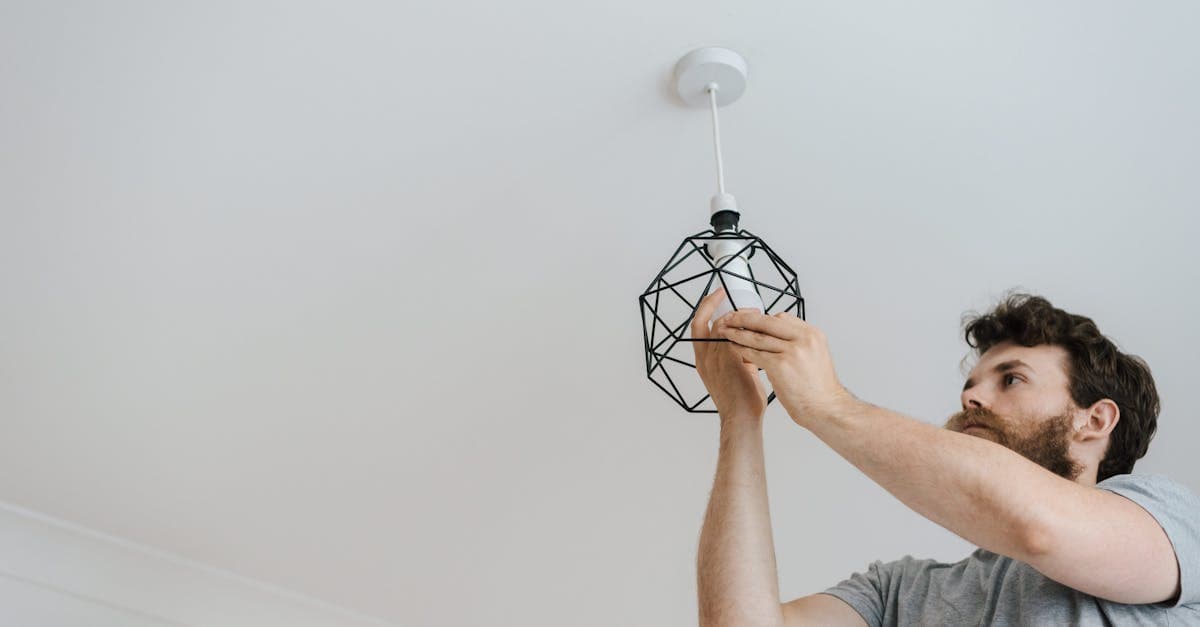
Overview
Installing a new light fixture is a common home improvement project that can update your home's lighting and appearance. While it involves electrical work, it's manageable for many homeowners who follow proper safety procedures. This guide covers the essential steps for safely installing a new light fixture.
Why This Matters
Professional light fixture installation costs $150-$400, while DIY installation costs $50-$200 for the fixture plus basic tools. Learning to install fixtures yourself saves money and allows you to update lighting throughout your home. Proper installation ensures safety and reliable operation.
Safety First
Essential Safety Rules
Before starting:
- Turn off power - At circuit breaker
- Test for power - Use voltage tester to confirm
- Never work live - Always turn off power first
- Use proper tools - Electrical-rated tools
- Follow code - Local electrical codes apply
When to Call an Electrician
Call a professional if:
- Uncomfortable with electrical work
- No experience with wiring
- Complex wiring - Multiple switches, dimmers, etc.
- Old wiring - Knob and tube, aluminum wiring
- Permits required - Check local requirements
Step 1: Turn Off Power
Locate Circuit Breaker
Find the right circuit:
- Identify circuit - Test light switch or find breaker
- Turn off breaker - Switch to OFF position
- Test light switch - Confirm no power
- Use voltage tester - Double-check at fixture location
- Tag breaker - Prevent accidental turn-on
Verify Power is Off
Always test:
- Use voltage tester - At fixture location
- Test multiple wires - Ensure all are dead
- Never assume - Always verify
- If unsure - Turn off main breaker
Step 2: Remove Old Fixture
Disconnect Old Fixture
Careful removal:
- Remove cover/glass - Expose wiring
- Take photo - Of wire connections (reference)
- Remove wire nuts - Unscrew carefully
- Separate wires - Note which connected to which
- Unscrew mounting - Remove fixture from box
- Support fixture - Don't let it hang by wires
Inspect Electrical Box
Check condition:
- Box is secure - Properly mounted
- Wires in good condition - No damage
- Proper grounding - Ground wire present
- Adequate space - For new fixture
Step 3: Prepare New Fixture
Review Instructions
Read manufacturer instructions:
- Mounting method - How it attaches
- Wire connections - Specific requirements
- Weight limits - Ensure box can support
- Special requirements - Any unique steps
Prepare Wires
If needed:
- Strip wire ends - 1/2 inch of bare wire
- Check wire colors - Match to house wiring
- Prepare ground - Ensure ground wire ready
Step 4: Mount Fixture
Attach Mounting Bracket
Installation:
- Position bracket - Align with box
- Secure to box - Screws provided
- Ensure level - Use level if needed
- Check weight - Box must support fixture
Support Heavy Fixtures
For heavy fixtures:
- Use support - Additional bracing if needed
- Check box rating - Must support weight
- Consider professional - For very heavy fixtures
Step 5: Connect Wires
Wire Connections
Standard connections:
- Black to black - Hot wire
- White to white - Neutral wire
- Ground to ground - Green or bare wire
- Use wire nuts - Secure connections
- Wrap with tape - Additional security (optional)
Connection Technique
Proper method:
- Twist wires - Clockwise together
- Screw on wire nut - Tight, secure
- Tug test - Ensure connection is solid
- Tuck wires - Neatly into box
Step 6: Attach Fixture
Secure to Bracket
Final steps:
- Align fixture - Match to mounting bracket
- Secure screws - Tighten properly
- Install cover/glass - Per instructions
- Install bulbs - Appropriate wattage
- Check alignment - Fixture is level
Step 7: Test Installation
Restore Power and Test
Final checks:
- Turn on breaker - Restore power
- Test switch - Turn on/off
- Check for flickering - Indicates loose connection
- Verify all bulbs - Working properly
- Check for heat - Shouldn't be excessive
Troubleshooting
If problems:
- No power - Check connections, breaker
- Flickering - Loose wire connection
- Fixture loose - Tighten mounting screws
- Turn off power - Before fixing issues
Common Mistakes to Avoid
Safety Mistakes
Don't:
- Work with power on - Always turn off
- Skip testing - Always verify power is off
- Ignore grounding - Ground wire is essential
- Rush - Take time for safety
Installation Mistakes
Don't:
- Wrong wire connections - Match colors correctly
- Loose connections - Secure properly
- Over-tighten - Can damage wires
- Skip instructions - Follow manufacturer guide
Cost Considerations
DIY installation:
- Fixture: $50-$500+ (varies widely)
- Tools: $20-$50 (if needed)
- Total: $70-$550
Professional installation:
- Labor: $100-$300
- Fixture: $50-$500+
- Total: $150-$800+
When to Call a Professional
Call an electrician if:
- Uncomfortable with electrical work
- Complex wiring - Multiple switches, dimmers
- Old wiring - Unsafe or incompatible
- Permits required - Local code requirements
- Heavy fixture - May need structural support
Maintenance
After Installation
- Check periodically - Ensure secure
- Clean fixture - Maintain appearance
- Replace bulbs - As needed
- Inspect wiring - If problems occur
Conclusion
Installing a light fixture is a manageable DIY project for homeowners comfortable with basic electrical work. The key is following safety procedures: always turn off power, test to confirm, and connect wires correctly. If you're unsure about any step, especially wiring, hiring an electrician is the safer choice. Proper installation ensures your new fixture operates safely and reliably for years.
Frequently Asked Questions
Do I need an electrician to install a light fixture?
Many homeowners can install light fixtures themselves if they're comfortable with basic electrical work. However, if you're unsure about wiring or your electrical system, hiring an electrician is safer.
What tools do I need to install a light fixture?
Essential tools include a screwdriver, wire strippers, voltage tester, wire nuts, and electrical tape. A ladder or step stool is also needed to reach the fixture location.
How do I know which wire is which?
Typically, black is hot, white is neutral, and green or bare is ground. Always test with a voltage tester to confirm before working. Match wire colors when connecting.