
Overview
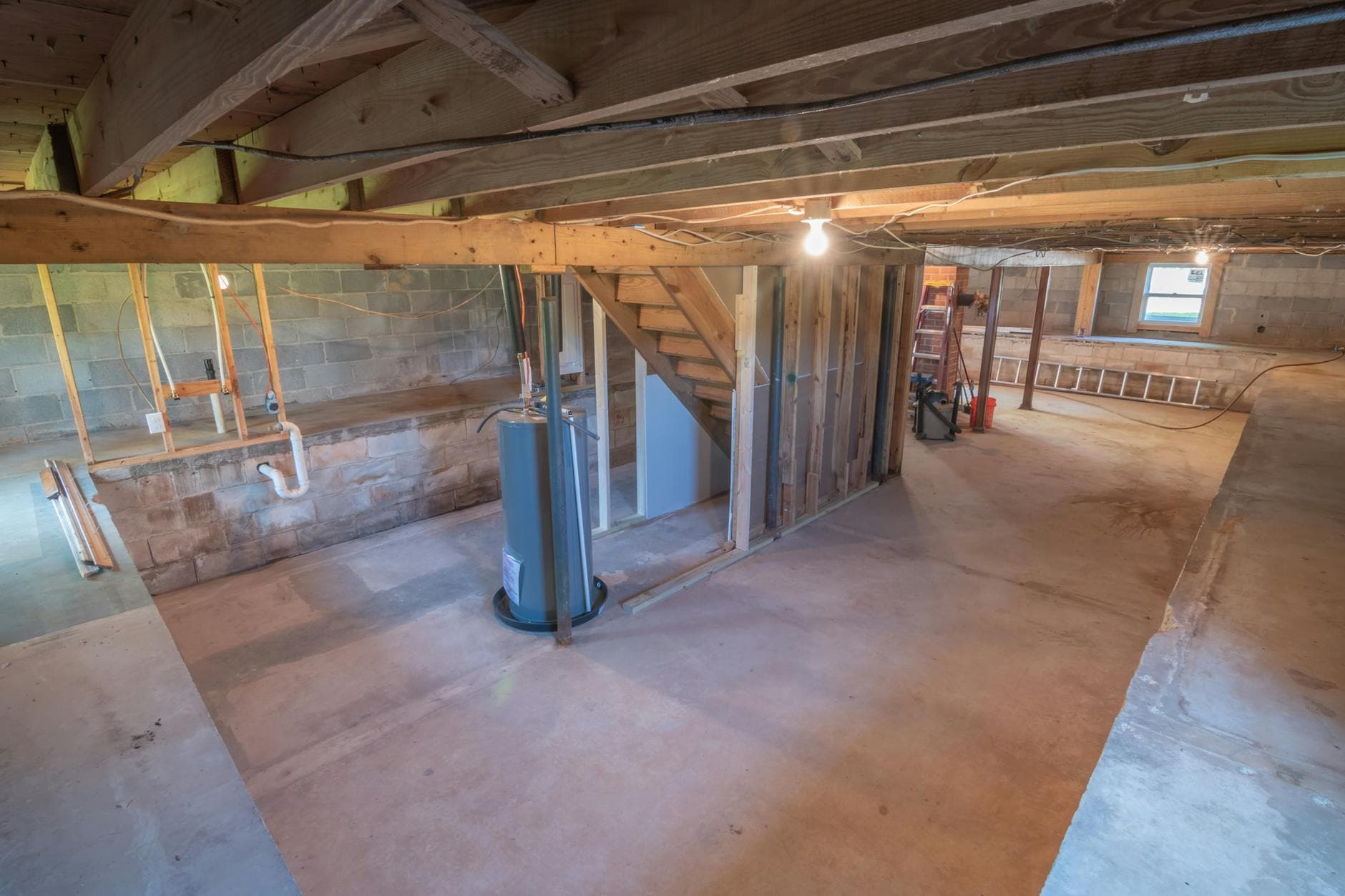
Insulating your basement ceiling improves energy efficiency by preventing heat loss to unheated basement spaces. It also reduces noise transfer between floors and can make your home more comfortable. This guide covers the process for insulating basement ceilings, whether your basement is finished or unfinished.
Why This Matters
Uninsulated basement ceilings allow significant heat loss, especially if the basement is unheated. Insulating the ceiling can reduce heating costs by 10-15% and makes the main floor more comfortable. It also reduces noise from basement activities and helps with sound control throughout the home.
Step 1: Assess Your Basement
Determine Basement Condition
Finished basement:
- Ceiling already covered - May need to remove ceiling tiles/panels
- More complex - Requires careful work
- Consider professional - If uncomfortable with process
Unfinished basement:
- Exposed joists - Easier installation
- Better access - Can work from below
- DIY-friendly - Straightforward process
Check for Issues
Before insulating:
- Moisture problems - Address first
- Mold or mildew - Clean and fix source
- Pest problems - Address before insulating
- Electrical/plumbing - Plan around obstacles
Step 2: Choose Insulation Type
Fiberglass Batts
Best for budget:
- Cost: $0.50-$1.50 per square foot
- Easy installation - Fits between joists
- Good R-value - R-3.0 to R-3.8 per inch
- DIY-friendly - No special equipment
Blown-In Insulation
Alternative option:
- Better coverage - Fills irregular spaces
- Requires equipment - Rental or professional
- Higher cost - $1.50-$3.00 per square foot
- More efficient - Better for complex spaces
Step 3: Prepare the Space
Safety First
Before starting:
- Wear protective gear - Gloves, mask, safety glasses, long sleeves
- Ensure good lighting - Basements are often dark
- Check for hazards - Electrical, sharp objects
- Ventilate - Open windows or use fans
Clean and Prepare
Preparation:
- Remove stored items - Clear work area
- Clean joists - Remove dust and debris
- Check for gaps - Seal air leaks first
- Plan layout - Account for obstacles
Step 4: Seal Air Leaks
Before Insulating
Critical step:
- Seal gaps around pipes and wires
- Caulk around rim joists
- Seal electrical boxes - Prevent air leaks
- Check for drafts - Address before insulating
Why: Sealing leaks is as important as insulation and costs very little.
Step 5: Install Insulation
Fiberglass Batt Installation
Technique:
- Measure between joists - Standard spacing is 16 or 24 inches
- Cut batts - Slightly wider than space (compression creates seal)
- Place between joists - Friction fit
- Don't compress - Reduces R-value
- Face vapor barrier correctly - If applicable
Vapor Barrier Considerations
Check your climate:
- Cold climates - Vapor barrier on warm side (facing up)
- Warm climates - May not need vapor barrier
- Check local codes - Requirements vary
Step 6: Handle Obstacles
Around Pipes and Wires
Best practices:
- Don't compress insulation around obstacles
- Cut carefully - Fit around pipes
- Maintain coverage - Don't leave gaps
- Protect electrical - Don't cover junction boxes
Around Ductwork
If HVAC in basement:
- Insulate around - Not over ducts
- Maintain clearance - Follow code requirements
- Don't block - Airflow or access
Step 7: Finish Installation
Complete Coverage
Final steps:
- Check all areas - No gaps or missed spots
- Ensure proper fit - Not compressed, not loose
- Check vapor barrier - If used, properly installed
- Clean up - Remove debris and excess material
Special Considerations
Unfinished Basement
Advantages:
- Easy access - Work from below
- No ceiling removal - Direct installation
- Can see everything - Identify all areas
- Future access - Easy to modify later
Finished Basement
Challenges:
- Ceiling removal - May need to remove tiles/panels
- More complex - Requires careful work
- Reinstallation - Put ceiling back properly
- Consider professional - If uncomfortable
Cost Considerations
DIY Installation
Typical basement (500 sq ft ceiling):
- Materials: $250-$750
- Tools: $50-$100 (if needed)
- Total: $300-$850
Professional Installation
Professional service:
- Per square foot: $1.50-$3.00
- Typical basement: $750-$1,500
Energy Savings
Expected Reduction
Typical improvements:
- 10-15% reduction in heating costs
- Improved comfort - Warmer main floor
- Reduced drafts - Better temperature control
- Payback period: 3-7 years typically
When to Call a Professional
Consider professional help if:
- Basement is finished - Complex installation
- Multiple obstacles - Extensive pipes/wires
- Moisture issues - Need professional assessment
- Uncomfortable with the process
- Want warranty on installation
Maintenance
After Installation
- Inspect annually - Check for settling or damage
- Address moisture - If any appears
- Maintain ventilation - Don't block vents
- Monitor energy bills - Verify savings
Conclusion
Insulating your basement ceiling is a cost-effective way to improve energy efficiency and comfort. The process is straightforward for unfinished basements, while finished basements may require more planning. Focus on proper installation, seal air leaks first, and choose the right insulation for your situation. The energy savings and improved comfort make this a worthwhile home improvement.
Frequently Asked Questions
Should I insulate basement ceiling or walls?
Insulating the ceiling is typically easier and more cost-effective. It prevents heat loss to unheated basement and reduces noise. Wall insulation is also beneficial if basement is finished or will be finished.
What R-value do I need for basement ceiling?
R-30 to R-38 is typical for basement ceilings. Check local building codes for specific requirements in your area.
Will insulating basement ceiling reduce noise?
Yes, insulation helps reduce sound transmission between basement and main floor. For maximum noise reduction, consider sound-damping materials in addition to insulation.