
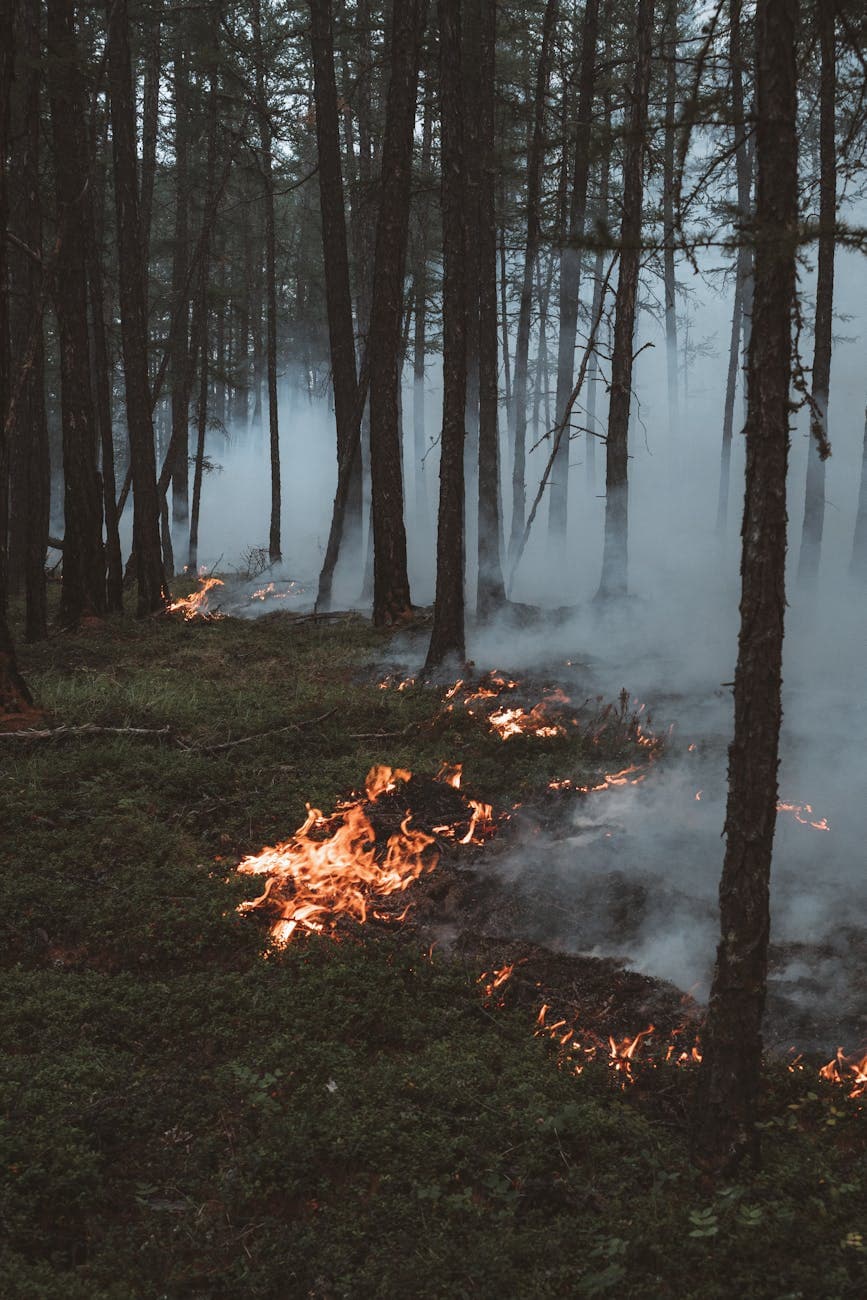
Wildfires can spread rapidly and cause devastating damage. If you live in a wildfire-prone area, preparing your home before fire season is critical for protecting your property and ensuring your family's safety. This comprehensive guide covers defensible space, fire-resistant materials, and emergency planning.
Creating Defensible Space
Zone 1: Immediate Area (0-30 feet)
Critical zone around your home:
- Remove all dead plants, grass, and weeds
- Remove dead or dry leaves and pine needles from your yard, roof, and gutters
- Trim trees so the lowest branches are at least 10 feet from the ground
- Remove tree branches that overhang your roof
- Keep plants well-watered and maintained
- Use non-combustible mulch (gravel, stone) instead of wood chips
- Remove flammable materials (firewood, propane tanks) from this zone
- Keep lawn mowed and well-maintained
- Remove vines from walls (they can carry fire to your home)
Specific requirements:
- No trees within 10 feet of structures
- Shrubs should be spaced at least 2-3 times their height apart
- Remove all dead vegetation
- Keep area clear of debris and combustible materials
Zone 2: Intermediate Area (30-100 feet)
Extended defensible space:
- Create horizontal spacing between trees (at least 10 feet)
- Create vertical spacing (remove lower branches 6-10 feet from ground)
- Remove dead or dying trees and shrubs
- Thin out dense vegetation
- Keep grass mowed to 4 inches or less
- Remove ladder fuels (vegetation that allows fire to climb from ground to tree crowns)
- Create fuel breaks (paths cleared of vegetation)
Landscaping tips:
- Use fire-resistant plants (succulents, deciduous trees, certain native plants)
- Group plants in small clusters with space between
- Avoid highly flammable plants (eucalyptus, juniper, pines in some areas)
- Maintain irrigation systems
Zone 3: Extended Area (100+ feet)
Wider area management:
- Thin trees and remove dead vegetation
- Maintain access roads and driveways
- Work with neighbors on community-wide fire prevention
- Coordinate with local fire department on best practices
Home Hardening
Roof and Gutters
Critical protection:
- Use Class A fire-resistant roofing materials (asphalt shingles, metal, tile, slate)
- Replace old or damaged roofing materials
- Keep roof and gutters clear of leaves, pine needles, and debris
- Install gutter guards to reduce debris accumulation
- Ensure roof is in good condition (no missing or damaged shingles)
- Check flashing around chimneys and vents
Maintenance:
- Clean gutters regularly (especially before and during fire season)
- Inspect roof for damage
- Remove any combustible materials from roof
- Ensure proper roof ventilation
Siding and Exterior Walls
Fire-resistant materials:
- Use non-combustible or fire-resistant siding (stucco, brick, fiber cement, metal)
- Avoid highly combustible materials (wood shingles, vinyl in some cases)
- Maintain siding in good condition
- Seal gaps and openings that could allow embers to enter
- Install ember-resistant vents or covers
Vent protection:
- Cover attic, soffit, and foundation vents with 1/8-inch mesh screens
- Consider installing ember-resistant vents
- Ensure vents are properly maintained
Windows and Doors
Protection from radiant heat:
- Use dual-pane or tempered glass windows
- Install fire-resistant doors (metal or solid wood at least 1-3/4 inches thick)
- Ensure doors seal properly
- Consider installing fire-resistant shutters
- Keep windows closed during fire events
Decks and Patios
Reduce fire risk:
- Use fire-resistant decking materials (composite, metal, concrete)
- Keep decks clear of combustible materials
- Store firewood and other combustibles away from deck
- Install spark arresters if you have a fireplace or fire pit
- Maintain deck in good condition
Emergency Preparedness
Create an Evacuation Plan
Essential planning:
- Know multiple evacuation routes from your area
- Practice your evacuation plan with your family
- Have a designated meeting place if family members are separated
- Plan for pets and livestock
- Know where to go (evacuation centers, family/friends outside the area)
- Have a communication plan (cell phones, radios)
Evacuation checklist:
- Important documents (insurance, identification, deeds)
- Medications and medical supplies
- Emergency supplies (food, water, first aid)
- Valuables and irreplaceable items
- Pet supplies and carriers
- Change of clothes and personal items
- Cash and credit cards
- Cell phone chargers and backup batteries
Prepare a "Go Bag"
Essential items:
- Important documents in waterproof container
- Medications (at least 3-day supply)
- First aid kit
- Flashlight and extra batteries
- Battery-powered or hand-crank radio
- Non-perishable food and water (3-day supply)
- Change of clothes
- Personal hygiene items
- Cash
- Cell phone charger
- Pet supplies if applicable
Home Inventory
Document your belongings:
- Take photos or video of your home and belongings
- Keep inventory in a safe place (cloud storage, safe deposit box)
- Update inventory regularly
- Include serial numbers and receipts for valuable items
- This will help with insurance claims if needed
Insurance Review
Protect your assets:
- Review your homeowner's insurance policy
- Ensure you have adequate coverage for wildfire damage
- Understand your policy limits and deductibles
- Consider additional coverage if needed
- Keep insurance documents in your go bag or safe deposit box
- Know how to file a claim
During Fire Season
Monitoring
Stay informed:
- Monitor weather conditions and fire danger ratings
- Sign up for emergency alerts from local authorities
- Have multiple ways to receive information (radio, TV, internet, phone alerts)
- Monitor air quality (important for health, especially for vulnerable individuals)
- Watch for fire weather warnings (red flag warnings)
Pre-Evacuation Preparation
If evacuation is likely:
- Move outdoor furniture and combustible items away from home
- Close all windows and doors
- Turn off gas at the meter
- Leave lights on (helps firefighters see your home)
- Move vehicles to face outward in driveway
- Connect garden hoses (but don't leave sprinklers on - wastes water pressure)
- Fill large containers with water
- Have go bag ready and easily accessible
If You Stay
Only if authorities say it's safe:
- Stay indoors with windows and doors closed
- Monitor conditions closely
- Have escape routes planned
- Keep go bag ready
- Stay hydrated
- Protect yourself from smoke (N95 masks, air purifiers)
- Be ready to evacuate immediately if conditions change
Maintenance Throughout Fire Season
Regular Tasks
Ongoing maintenance:
- Keep defensible space maintained (remove dead vegetation regularly)
- Clean gutters and roof regularly
- Maintain irrigation systems
- Trim trees and shrubs as needed
- Remove new growth that creates fire hazards
- Keep access roads clear
- Maintain fire-resistant features
Seasonal Preparation
Before each fire season:
- Complete major defensible space work
- Inspect and maintain home hardening features
- Review and update evacuation plan
- Check emergency supplies
- Update home inventory
- Review insurance coverage
- Test smoke detectors and fire extinguishers
Community Preparedness
Work with Neighbors
Community-wide protection:
- Coordinate defensible space efforts
- Share resources and information
- Create neighborhood evacuation plans
- Organize community fire prevention events
- Work with local fire department
- Join or form a Firewise community
Local Resources
Utilize available help:
- Contact local fire department for home assessments
- Participate in community fire prevention programs
- Attend fire safety workshops
- Get information from local emergency management
- Know your local evacuation procedures
Long-Term Improvements
Fire-Resistant Landscaping
Choose appropriate plants:
- Select fire-resistant plants for your area
- Group plants in small clusters
- Maintain proper spacing
- Keep plants well-watered and healthy
- Remove dead vegetation promptly
- Use non-combustible mulch
Structural Improvements
Consider upgrades:
- Replace roofing with Class A materials
- Upgrade siding to fire-resistant materials
- Install ember-resistant vents
- Upgrade windows to dual-pane or tempered glass
- Install fire-resistant doors
- Consider sprinkler systems (if water supply is adequate)
When to Call Professionals
Contact professionals for:
- Tree removal (especially large trees)
- Roof replacement or repairs
- Siding installation or replacement
- Defensible space work (if you can't do it yourself)
- Home fire safety assessments
- Sprinkler system installation
- Structural improvements
Cost Considerations
Typical costs:
- Defensible space work: $500-$5,000+ (or DIY)
- Roof replacement: $5,000-$20,000+
- Siding replacement: $5,000-$15,000+
- Ember-resistant vents: $50-$200 each
- Fire-resistant doors: $200-$1,000+
- Sprinkler systems: $2,000-$10,000+
- Insurance: Varies based on risk and coverage
Money-saving tips:
- Do defensible space work yourself
- Prioritize most critical improvements first
- Take advantage of local fire department assessments
- Look for rebates or assistance programs
- Maintain your property regularly (prevents costly damage)
Conclusion
Preparing your home for wildfire season requires ongoing effort and attention, but it's essential for protecting your property and ensuring your family's safety. Focus on creating defensible space, hardening your home with fire-resistant materials, and having a solid evacuation plan. Start preparing well before fire season begins, and maintain your preparations throughout the season.
Remember: Your safety is the top priority. Always follow evacuation orders from authorities, and never risk your life to protect property. A well-prepared home has a better chance of surviving a wildfire, but your life is irreplaceable.
Frequently Asked Questions
What is defensible space and why is it important?
Defensible space is the area around your home that's been modified to reduce fire risk. It creates a buffer zone that slows or stops the spread of fire and gives firefighters a safe area to work. Most areas require 30-100 feet of defensible space.
How can I make my home more fire-resistant?
Use fire-resistant roofing materials, maintain your roof and gutters, install spark arresters on chimneys, use non-combustible siding, and create defensible space around your home. Also ensure proper maintenance of these features.
What should I include in my wildfire evacuation plan?
Have a "go bag" ready with essential documents, medications, and supplies. Know multiple evacuation routes, have a communication plan with family, and prepare for pets and livestock. Practice your evacuation plan regularly.