
Foundation problems can lead to serious structural damage and costly repairs if left unaddressed. Learning to recognize early warning signs can help you catch issues before they become major problems, saving you thousands of dollars in repairs.
Exterior Foundation Inspection
Visible Cracks
What to look for:
- Vertical cracks: Usually less serious, often caused by normal settling
- Horizontal cracks: More serious, may indicate pressure from soil or water
- Stair-step cracks: In brick or block foundations, can indicate settling
- Wide cracks: Cracks wider than 1/4 inch should be evaluated by a professional
- Cracks that are widening: Monitor with dates and measurements
Inspection tips:
- Check foundation walls from ground level
- Look at all sides of your home
- Use a flashlight to see cracks clearly
- Take photos to track changes over time
- Measure crack width and length
- Note the location of each crack
Foundation Movement
Signs of movement:
- Foundation appears to be leaning or bulging
- Gaps between foundation and soil
- Soil pulling away from foundation
- Uneven foundation surface
- Cracks that follow a pattern
What to do:
- Document with photos
- Measure any bulging or leaning
- Monitor changes over time
- Contact a foundation specialist if you see significant movement
Water Issues
Foundation and water:
- Standing water near foundation
- Soil erosion around foundation
- Cracks that leak water
- Damp or wet foundation walls
- Mold or mildew on foundation
- Efflorescence (white, powdery substance on concrete)
Why this matters: Water is one of the leading causes of foundation problems. Proper drainage is essential for foundation health.
Interior Signs
Cracks in Walls and Floors
Interior cracks to watch for:
- Cracks in drywall, especially around doors and windows
- Cracks in tile or concrete floors
- Cracks that run diagonally from corners of doors/windows
- Cracks in basement walls or floors
- Separation between walls and ceilings
- Cracks in brick or stone fireplaces
What's normal vs. concerning:
- Normal: Hairline cracks (less than 1/8 inch) that don't widen
- Concerning: Cracks wider than 1/4 inch, horizontal cracks, or cracks that are actively widening
Doors and Windows
Common problems:
- Doors that stick or won't close properly
- Windows that are difficult to open or close
- Gaps around doors and windows
- Doors or windows that were previously fine but now have issues
- Uneven gaps around frames
Why this happens: Foundation movement can cause door and window frames to shift, making them misaligned.
Floors
Floor problems:
- Sloping or uneven floors
- Floors that feel bouncy or soft
- Gaps between floor and baseboards
- Cracks in tile or concrete floors
- Separation between floor and walls
How to check:
- Use a level to check for sloping
- Roll a ball across the floor (it should roll straight)
- Look for gaps or separation
- Check multiple rooms
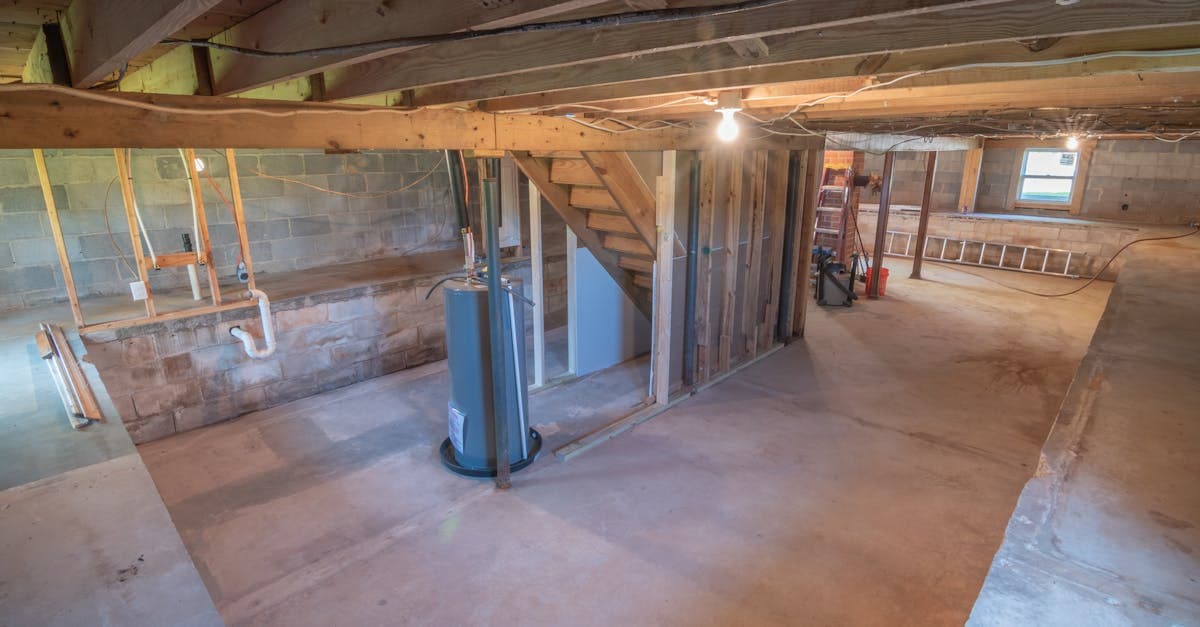
Basement or Crawl Space
Below-grade inspection:
- Cracks in basement walls or floors
- Water intrusion or dampness
- Bowing or bulging walls
- Efflorescence on walls
- Musty odors (may indicate moisture issues)
- Signs of previous repairs
What to look for:
- Horizontal cracks (more serious than vertical)
- Cracks that are wider at the top or bottom
- Bowing or inward movement of walls
- Water stains or active leaks
Monitoring and Documentation
Regular Inspections
How often to check:
- Inspect foundation exterior: Quarterly
- Check interior for new cracks: Monthly
- Monitor existing cracks: Monthly
- Full inspection: Annually or after major weather events
What to document:
- Photos of all cracks and issues
- Measurements of crack width and length
- Dates of inspections
- Notes on any changes
- Location of each issue
Tracking Changes
Monitor over time:
- Measure crack width regularly (use a ruler or caliper)
- Take photos from the same angle for comparison
- Note any new cracks that appear
- Track if doors/windows get worse
- Monitor floor sloping
When to be concerned:
- Cracks are actively widening
- New cracks appear frequently
- Problems are getting worse quickly
- Multiple signs appear simultaneously
Common Causes
Water Problems
How water affects foundations:
- Soil expansion and contraction (clay soils)
- Hydrostatic pressure against foundation walls
- Erosion of soil supporting foundation
- Freeze-thaw cycles in cold climates
- Poor drainage around foundation
Prevention:
- Ensure proper drainage away from foundation
- Keep gutters clean and functioning
- Extend downspouts away from foundation
- Grade soil away from foundation
- Address water issues promptly
Soil Issues
Soil-related problems:
- Expansive clay soils (expand when wet, contract when dry)
- Poor soil compaction during construction
- Soil erosion
- Tree roots affecting soil
- Changes in soil moisture
What to do:
- Maintain consistent soil moisture around foundation
- Keep trees at appropriate distance from foundation
- Address drainage issues
- Consider soil stabilization if needed
Construction Issues
Potential problems:
- Inadequate foundation depth
- Poor soil preparation
- Insufficient reinforcement
- Settling of new construction (normal for first few years)
New construction:
- Some settling is normal in the first 1-3 years
- Monitor closely during this period
- Address any excessive settling
When to Call a Professional
Immediate Attention Needed
Call a foundation specialist if:
- Cracks are wider than 1/4 inch
- Horizontal cracks in foundation walls
- Significant bowing or bulging of walls
- Doors or windows won't close and it's getting worse
- Floors are significantly sloping
- Multiple signs of foundation problems
- Cracks are actively widening
- You see signs of structural damage
Professional Inspection
What professionals do:
- Comprehensive foundation assessment
- Measurement of movement and settlement
- Evaluation of soil conditions
- Identification of underlying causes
- Recommendations for repairs
- Cost estimates for necessary work
Types of professionals:
- Foundation repair specialists
- Structural engineers
- Geotechnical engineers (for soil issues)
- General contractors (for minor issues)
Prevention
Maintain Proper Drainage
Essential steps:
- Keep gutters clean and functioning
- Extend downspouts at least 5-10 feet from foundation
- Ensure ground slopes away from foundation (6 inches over 10 feet)
- Install French drains if needed
- Address standing water promptly
Control Soil Moisture
Maintain consistent moisture:
- Water foundation during dry periods (if recommended for your soil type)
- Avoid overwatering (can cause soil expansion)
- Use soaker hoses if needed (placed 12-18 inches from foundation)
- Monitor soil moisture levels
Tree Management
Protect your foundation:
- Keep large trees at least 20 feet from foundation
- Remove trees that are too close
- Monitor tree roots that may affect foundation
- Consider root barriers if needed
Regular Maintenance
Ongoing care:
- Inspect foundation regularly
- Address small issues before they become big problems
- Maintain proper drainage
- Monitor for changes
- Keep records of inspections
Cost Considerations
Typical costs:
- Foundation inspection: $300-$1,000
- Minor crack repair: $500-$1,500
- Foundation underpinning: $1,000-$3,000 per pier
- Major foundation repair: $5,000-$30,000+
- Drainage improvements: $1,000-$5,000
Money-saving tips:
- Catch problems early (much cheaper to fix)
- Address drainage issues yourself when possible
- Get multiple quotes for major work
- Consider preventive measures
- Maintain your foundation regularly
Conclusion
Early detection of foundation problems can save you thousands of dollars in repairs and prevent serious structural damage. Regular inspections, proper documentation, and prompt attention to warning signs are key to protecting your home's foundation. When in doubt, consult with a foundation specialist—early intervention is always less expensive than major repairs.
Remember: Not all foundation issues are emergencies, but all should be monitored. Small cracks may be normal settling, but if you're unsure or see multiple warning signs, it's worth having a professional evaluation. Your foundation is literally the base of your home—taking care of it protects your entire investment.
Frequently Asked Questions
What are the early warning signs of foundation problems?
Look for cracks in walls, floors, or foundation; doors and windows that stick or won't close properly; gaps around windows and doors; sloping or uneven floors; and separation between walls and ceilings or floors.
Are all foundation cracks serious?
Hairline cracks (less than 1/8 inch) are often normal settling. Cracks wider than 1/4 inch, horizontal cracks, or cracks that are widening should be evaluated by a professional. Monitor cracks over time.
When should I call a professional about foundation issues?
Call a foundation specialist if you notice cracks wider than 1/4 inch, horizontal cracks, doors/windows that won't close, significant floor sloping, or if cracks are actively widening. Early intervention is key to preventing costly damage.