
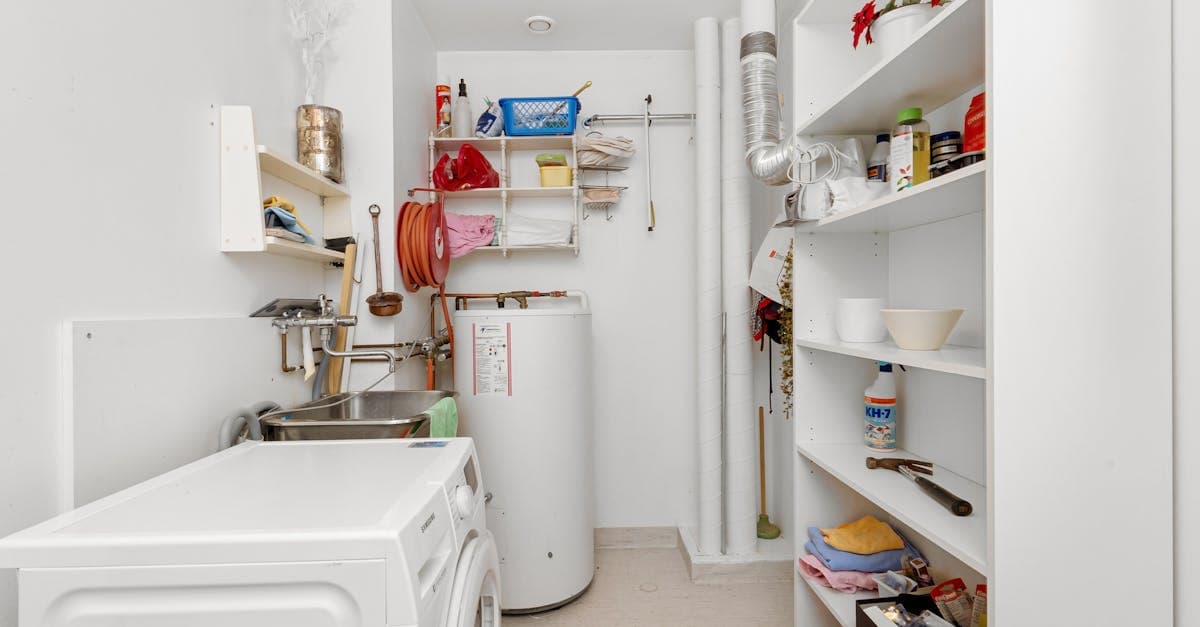
Overview
Recognizing the early warning signs of water heater failure helps you plan replacement before an emergency breakdown. A failing water heater can cause water damage, leave you without hot water, and create safety hazards. Learning to identify these signs early gives you time to research options and schedule replacement on your terms.
Why This Matters
Water heater failures often happen at the worst times—during winter, holidays, or when you have guests. Emergency replacements cost 20-30% more than planned replacements and limit your options. Catching problems early lets you choose the right unit, get competitive quotes, and avoid the stress and expense of an emergency situation.
Early Warning Signs
Rusty or Discolored Water
What to look for:
- Rusty hot water - Brown, orange, or reddish tint
- Only from hot taps - Cold water is clear
- Worsening over time - Gets more noticeable
What it means:
- Tank corrosion - Interior lining is failing
- Sediment buildup - Rust particles in tank
- Imminent failure - Tank may start leaking soon
Action: If rusty water appears, replacement is likely needed within months.
Strange Noises
Common sounds:
- Rumbling or popping - Sediment buildup at bottom
- Hissing or sizzling - Overheating or pressure issues
- Banging or knocking - Loose heating elements or sediment
What it means:
- Sediment accumulation - Needs flushing (may help temporarily)
- Component failure - Heating elements or thermostat issues
- Aging system - Normal wear indicating replacement time
Action: Flushing may help short-term, but persistent noises indicate replacement planning.
Water Not Hot Enough
Symptoms:
- Lukewarm water - Never gets fully hot
- Hot water runs out quickly - Much faster than before
- Temperature inconsistent - Hot then cold
Possible causes:
- Failing heating elements - Not heating properly
- Thermostat problems - Not regulating temperature
- Sediment buildup - Reducing efficiency
- Tank size inadequate - For current usage (if new problem)
Action: If elements or thermostat are failing, replacement may be more cost-effective than repair.
Leaks Around the Tank
Where to check:
- Base of tank - Water pooling underneath
- Top connections - Leaks at pipes or valves
- Pressure relief valve - Dripping or leaking
- Tank itself - Visible cracks or corrosion
Critical distinction:
- Connection leaks - Often repairable
- Tank leaks - Require immediate replacement
Action: Tank leaks mean immediate replacement—don't delay.
Age of Unit
Typical lifespans:
- Standard tank: 8-12 years
- High-efficiency: 10-15 years
- Tankless: 20+ years
Age + problems:
- Over 10 years + any issues - Replacement likely better than repair
- Over 12 years - Replacement strongly recommended
- Over 15 years - Replacement urgent
Action: If your unit is 10+ years old and showing problems, plan replacement.
Advanced Warning Signs
Rising Energy Bills
What to watch:
- Gradual increase - Water heating costs rising
- Sudden jump - May indicate efficiency loss
- Compare to usage - Bills up but usage unchanged
What it means:
- Reduced efficiency - System working harder
- Sediment buildup - Insulating effect reduces efficiency
- Component wear - Less efficient operation
Action: If bills are rising and unit is old, replacement may pay for itself in energy savings.
Frequent Repairs
Red flags:
- Multiple repairs in short time
- Same problems recurring - Indicates systemic failure
- Repair costs approaching replacement cost
Rule of thumb:
- If repairs exceed 50% of replacement cost - Replace instead
- If same issue repeats - Underlying problem not fixable
Action: Frequent repairs indicate it's time to replace, not keep fixing.
When to Act Immediately
Emergency Replacement Needed
Replace immediately if:
- Active leak from tank - Not just connections
- No hot water - Complete system failure
- Water damage risk - Leak could cause flooding
- Safety concerns - Gas leaks, electrical issues
Don't wait if:
- Tank is actively leaking - Will only get worse
- Safety systems failing - Pressure relief valve not working
- Complete failure - No hot water at all
Planning Replacement
If You Have Time
When signs are early:
- Research options - Tank vs. tankless, efficiency ratings
- Get multiple quotes - Compare installers and models
- Schedule convenient time - Avoid emergency pricing
- Consider upgrades - Higher efficiency, better features
Benefits of planning:
- Better pricing - Avoid emergency service fees
- More options - Choose the right unit for your needs
- Less stress - Schedule on your terms
Cost Considerations
Repair vs. Replace
Repair if:
- Unit is under 8 years old
- Single, fixable issue (thermostat, element)
- Repair cost is reasonable (< 30% of replacement)
Replace if:
- Unit is 10+ years old
- Multiple problems or recurring issues
- Tank is leaking or rusted
- Repair costs exceed 50% of replacement
Typical costs:
- Repair: $150-$400
- Replacement: $900-$2,500
- Emergency replacement: $1,200-$3,000+
Prevention
Extend Lifespan
Regular maintenance:
- Drain tank annually - Remove sediment
- Test pressure relief valve - Ensure it works
- Check anode rod - Replace if needed (every 3-5 years)
- Insulate pipes - Reduce heat loss
- Set temperature to 120°F - Reduces wear
These steps can add 2-3 years to your water heater's life.
Conclusion
Recognizing water heater failure signs early gives you control over replacement timing and costs. Rusty water, strange noises, inadequate heating, leaks, and age are the key indicators. If your unit is 10+ years old and showing multiple signs, replacement is likely the better choice than continued repairs. Plan replacement before an emergency to avoid higher costs and limited options.
Frequently Asked Questions
What are the most common signs of water heater failure?
The most common signs include rusty water, rumbling or popping noises, water not getting hot enough, leaks around the tank, and the unit being over 10 years old. Multiple signs together indicate replacement is likely needed.
How urgent is it if my water heater shows these signs?
If you see leaks or rusty water, address it within days to weeks. A complete failure can cause water damage. If it's just age or minor issues, you have more time to plan replacement.
Can I repair a failing water heater instead of replacing it?
Minor issues like a faulty thermostat or heating element can be repaired. However, if the tank itself is leaking, rusted, or over 12 years old, replacement is usually more cost-effective than repeated repairs.