
Overview
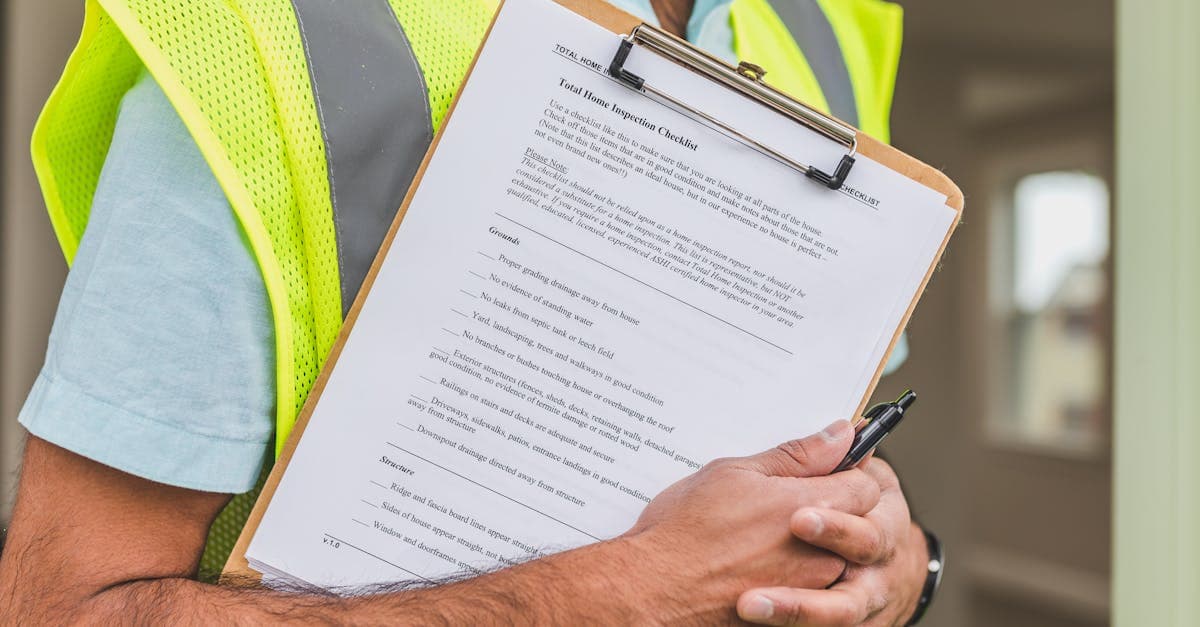
Seasonal maintenance is the foundation of homeownership, preventing small problems from becoming expensive emergencies. By following a systematic seasonal checklist, you can protect your home's value, reduce energy costs, and avoid unexpected breakdowns. This guide provides a comprehensive checklist for each season.
Why This Matters
Regular seasonal maintenance can save thousands of dollars annually by catching problems early and preventing major repairs. Well-maintained homes also have higher resale values, lower energy costs, and fewer emergency service calls. Spending a few hours each season pays dividends in peace of mind and cost savings.
Spring Maintenance (March-May)
Exterior Tasks
- Inspect roof for winter damage (missing shingles, leaks)
- Clean gutters and downspouts
- Check siding for damage or needed repairs
- Inspect foundation for cracks or settling
- Clean and inspect decks and patios
- Service air conditioning system
- Check outdoor faucets and irrigation systems
- Trim trees and shrubs away from house
- Inspect and repair driveways and walkways
Interior Tasks
- Test smoke and CO detectors and replace batteries
- Check for water damage from winter
- Service HVAC system (cooling check)
- Clean or replace air filters
- Inspect plumbing for leaks
- Check windows and doors for proper operation
- Deep clean carpets and upholstery
- Test sump pump (if applicable)
Summer Maintenance (June-August)
Exterior Tasks
- Maintain landscaping (mowing, watering, weeding)
- Inspect and clean gutters after storms
- Check for pest problems
- Maintain deck and outdoor spaces
- Inspect exterior paint and touch up as needed
- Check irrigation systems regularly
- Clean outdoor lighting fixtures
Interior Tasks
- Change air filters monthly during heavy use
- Check AC performance and efficiency
- Inspect for moisture problems (basement, attic)
- Test garage door opener and safety features
- Clean ceiling fans and light fixtures
- Check refrigerator coils and clean if needed
Fall Maintenance (September-November)
Exterior Tasks
- Clean gutters thoroughly (critical before winter)
- Inspect roof and make repairs
- Seal gaps around windows and doors
- Winterize outdoor faucets and irrigation
- Drain and store hoses
- Service heating system
- Check chimney and fireplace (if applicable)
- Inspect and repair caulk and weatherstripping
- Trim trees away from house and power lines
Interior Tasks
- Service heating system (furnace, boiler)
- Test smoke and CO detectors
- Reverse ceiling fans (clockwise for winter)
- Check insulation in attic and walls
- Inspect plumbing for leaks
- Test sump pump (if applicable)
- Clean dryer vent and exhaust
- Prepare emergency supplies for winter
Winter Maintenance (December-February)
Exterior Tasks
- Monitor for ice dams on roof
- Keep gutters clear of ice and snow
- Check for roof leaks after storms
- Maintain clear pathways (safety)
- Inspect exterior after severe weather
- Monitor trees for ice damage
Interior Tasks
- Change air filters regularly
- Monitor heating system performance
- Check for drafts and seal as needed
- Test smoke and CO detectors
- Inspect for moisture problems
- Check pipes for freezing risk
- Maintain humidity levels (30-50%)
Year-Round Tasks
Monthly
- Test smoke and CO detectors
- Check air filters
- Inspect for leaks (plumbing, roof)
- Monitor energy bills for unusual increases
Quarterly
- Deep clean various areas
- Inspect major systems
- Test safety systems
- Review maintenance schedule
Priority Tasks by Season
Spring Priorities
- Roof inspection - Catch winter damage early
- Gutter cleaning - Prepare for spring rains
- HVAC service - Ensure cooling system ready
- Foundation check - Address any settling
Summer Priorities
- Landscaping maintenance - Protect foundation
- AC efficiency - Keep cooling costs down
- Storm preparation - Secure outdoor items
- Pest prevention - Address issues early
Fall Priorities
- Gutter cleaning - Critical before winter
- Heating service - Ensure system ready
- Weatherization - Seal air leaks
- Winter preparation - Protect pipes and systems
Winter Priorities
- Heating maintenance - Keep system running
- Pipe protection - Prevent freezing
- Ice dam prevention - Protect roof
- Safety systems - Test detectors regularly
Creating Your Schedule
Use a Calendar
Mark seasonal tasks:
- Set reminders for key dates
- Plan ahead for professional services
- Coordinate with weather patterns
- Track completion of tasks
Prioritize
Focus on:
- Safety tasks first
- Systems that protect home structure
- Energy efficiency improvements
- Preventive maintenance
Cost-Benefit Analysis
Maintenance Costs
Annual maintenance:
- DIY tasks: $200-$500 (supplies)
- Professional services: $500-$1,500
- Total: $700-$2,000 per year
Savings
Prevented costs:
- Emergency repairs: $500-$5,000+
- System replacements: $2,000-$15,000+
- Energy savings: 10-20% reduction
- Value: Far exceeds maintenance costs
When to Call Professionals
Schedule professional service for:
- HVAC systems (spring and fall)
- Roof inspections (after severe weather)
- Chimney cleaning (annually if used)
- Electrical inspections (every 10 years)
- Plumbing (if issues found)
Tools and Supplies
Basic Toolkit
- Hand tools (screwdrivers, wrenches, pliers)
- Ladder (appropriate height)
- Flashlight
- Caulk and sealants
- Cleaning supplies
- Safety equipment
Conclusion
Seasonal maintenance is an investment in your home that pays off through prevented repairs, lower energy costs, and maintained property value. By following a systematic approach and addressing tasks seasonally, you can keep your home in excellent condition and avoid costly emergencies. Start with the highest-priority tasks each season and build maintenance into your routine.
Frequently Asked Questions
How often should I do seasonal maintenance?
Perform seasonal maintenance four times per year—spring, summer, fall, and winter. Each season has specific tasks that prepare your home for upcoming weather conditions.
What's the most important seasonal maintenance task?
All tasks are important, but preparing for winter (fall) and recovering from winter (spring) are typically the most critical for preventing major damage.
Can I skip some seasonal maintenance tasks?
While you can prioritize, skipping maintenance increases the risk of expensive repairs. Regular maintenance is far less costly than emergency repairs.