
Overview
Your HVAC system works year-round to keep your home comfortable, but it can't tell you when something's wrong. Recognizing early warning signs helps you catch problems before they become expensive breakdowns. Regular maintenance not only prevents emergencies but also extends your system's lifespan and keeps energy bills manageable.
Why This Matters
HVAC systems are among the most expensive home systems to replace, often costing $5,000 to $15,000. Catching problems early through maintenance can prevent costly repairs and extend your system's life by several years. Well-maintained systems also operate more efficiently, reducing your monthly energy costs.
Warning Signs Your HVAC Needs Attention
Unusual Noises
Grinding, squealing, or banging sounds indicate mechanical problems. A grinding noise often means the motor bearings are failing. Squealing suggests a belt issue, while banging could signal loose components or a failing compressor. These sounds typically worsen over time, so address them promptly.
Reduced Airflow
If air coming from your vents feels weak or inconsistent, several issues could be at play:
- Clogged air filters (most common)
- Blocked ductwork
- Failing blower motor
- Leaky duct connections
Start by checking and replacing your air filter—this simple fix resolves many airflow problems.
Inconsistent Temperatures
Rooms that won't heat or cool properly, or significant temperature differences between rooms, suggest:
- Ductwork problems
- Thermostat issues
- Refrigerant leaks (for cooling)
- Zoning problems
Rising Energy Bills
A sudden increase in your energy bills, especially without changes in usage, often indicates your system is working harder than it should. This could mean:
- Dirty filters or coils
- Refrigerant leaks
- Failing components
- Poor insulation or air leaks
Frequent Cycling
If your system turns on and off more frequently than usual, it may be:
- Overheating due to dirty components
- Incorrectly sized for your home
- Experiencing thermostat problems
- Struggling with extreme outdoor temperatures
Strange Odors
Musty smells often indicate mold growth in ducts or the unit itself. Burning odors suggest electrical problems or overheating components. Rotten egg smells (for gas systems) require immediate professional attention—this could indicate a gas leak.
Visible Issues
Look for:
- Ice buildup on refrigerant lines (cooling systems)
- Water pooling around the unit
- Corrosion or rust on components
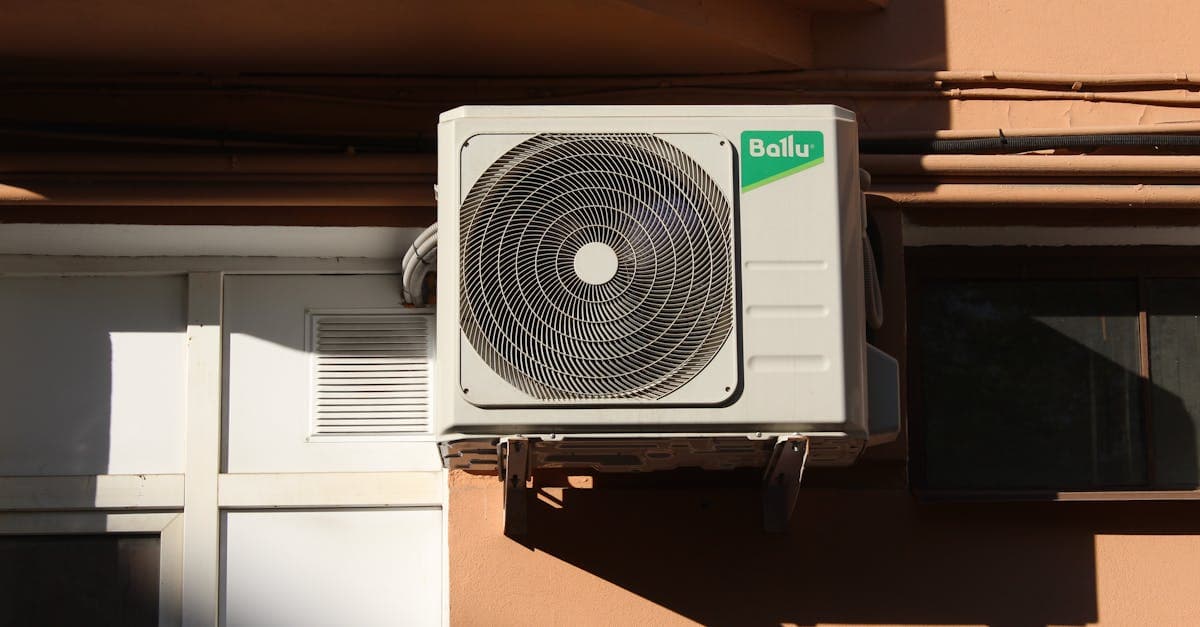
- Visible damage to the outdoor unit
When to Schedule Professional Maintenance
Schedule professional HVAC maintenance if you notice:
- Any of the warning signs above
- System is over 10 years old and hasn't been serviced recently
- You're preparing for a new season (spring or fall)
- Energy bills have increased significantly
Basic Maintenance You Can Do
Monthly:
- Check and replace air filters if dirty
- Clear debris from around outdoor units
- Check that vents are unobstructed
Seasonally:
- Clean visible components
- Test thermostat operation
- Inspect for visible damage
Prevention Tips
- Replace air filters every 1-3 months
- Keep outdoor units clear of debris and vegetation
- Schedule professional maintenance twice yearly
- Monitor energy bills for unusual increases
- Address small problems before they become major repairs
When to Call a Professional
Call an HVAC technician if you notice:
- Electrical issues or burning smells
- Gas leaks (rotten egg smell)
- Complete system failure
- Refrigerant leaks (cooling systems)
- Problems you can't diagnose or fix safely
Regular professional maintenance is an investment that pays off through lower energy costs, fewer breakdowns, and extended system life.
Frequently Asked Questions
How often should I have my HVAC system serviced?
Most HVAC systems should be serviced twice a year—once in spring before cooling season and once in fall before heating season.
Can I perform HVAC maintenance myself?
Basic tasks like changing filters and cleaning vents are DIY-friendly, but professional service is recommended for system checks, refrigerant levels, and electrical components.
What happens if I ignore HVAC maintenance?
Neglected systems are more likely to break down, use more energy, and may require expensive emergency repairs or premature replacement.