
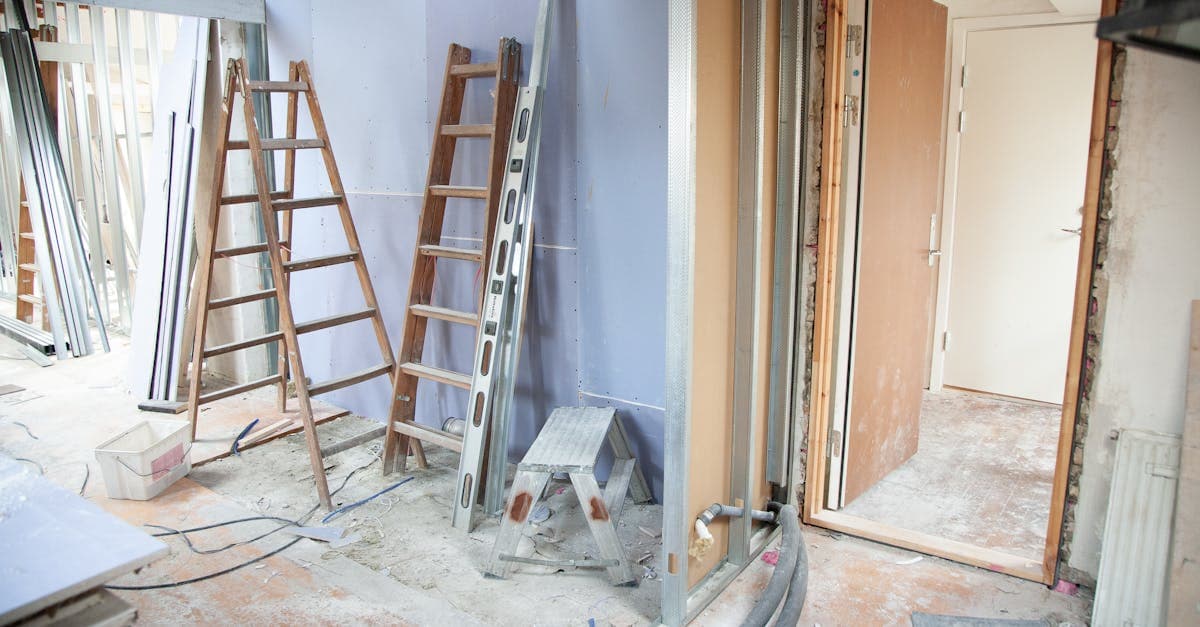
Overview
Drywall damage is common in active homes, but most small holes and dents are easy to repair yourself. With basic materials and proper technique, you can achieve professional-looking results that are invisible after painting. This guide covers the essential steps for common drywall repairs.
Why This Matters
Professional drywall repair costs $150-$400 per repair, while DIY materials cost $20-$50. Learning basic drywall repair saves money and lets you address damage promptly. Well-executed repairs are completely invisible and maintain your home's appearance.
Types of Drywall Damage
Small Holes (Nail/Screw Holes)
Size: Up to 1/4 inch Difficulty: Easy Time: 30 minutes
Medium Holes (Doorknob, etc.)
Size: 1-4 inches Difficulty: Moderate Time: 2-3 hours (including dry time)
Large Holes
Size: 4+ inches Difficulty: Advanced Time: 4-6 hours (may need professional)
Step 1: Prepare the Area
Clean the Damage
For holes:
- Remove loose material - Clean edges
- Check for damage behind wall - Wiring, pipes, etc.
- Ensure drywall is stable around hole
For dents:
- Clean surface - Remove dirt, debris
- Check if paint needs removal
- Assess depth - May need multiple coats
Protect Surroundings
Before starting:
- Cover floor - Drop cloth or newspaper
- Mask nearby surfaces - Protect trim, etc.
- Remove switch plates - If near electrical
- Ensure good lighting - See work clearly
Step 2: Fill Small Holes
Nail/Screw Holes
Quick method:
- Clean hole - Remove loose material
- Apply spackle with putty knife
- Smooth flush - Remove excess
- Let dry - 1-2 hours
- Sand lightly - 220 grit
- Prime and paint
Dents and Scratches
Shallow damage:
- Clean area thoroughly
- Apply thin coat of joint compound
- Feather edges - Blend into surrounding wall
- Sand smooth when dry
- Prime and paint
Step 3: Patch Medium Holes
Using Patch Kit
For 1-4 inch holes:
- Clean hole - Remove loose material
- Apply mesh patch or use patch kit
- Cover with joint compound - Multiple thin coats
- Sand between coats - For smooth finish
- Feather edges - Blend seamlessly
- Prime and paint
Technique Tips
For invisible repair:
- Feather edges - Thin compound at edges
- Multiple thin coats - Better than one thick coat
- Sand carefully - Don't over-sand
- Match texture - If wall has texture
Step 4: Sand and Finish
Sanding Technique
After compound dries:
- Use fine sandpaper - 120-220 grit
- Sand lightly - Don't remove too much
- Feel surface - Should be smooth
- Wipe clean - Remove all dust
- Check in good light - See any imperfections
Priming
Before painting:
- Prime repaired area - Prevents flashing
- Feather primer - Blend into surrounding area
- Let dry completely - Follow product instructions
- Check surface - Should be ready for paint
Step 5: Paint
Matching Existing Paint
Challenges:
- Color matching - Paint fades over time
- Sheen matching - Flat, eggshell, satin, etc.
- Texture - May need to match wall texture
Solutions:
- Paint entire wall - Best match (if possible)
- Feather paint - Blend into existing
- Use sample - Test color match first
Common Mistakes to Avoid
Over-Filling
Don't: Apply too much compound Do: Use thin coats, build up gradually
Insufficient Sanding
Don't: Skip sanding between coats Do: Sand smooth for invisible repair
Skipping Primer
Don't: Paint directly over compound Do: Always prime first
Rushing
Don't: Paint before compound is fully dry Do: Allow proper dry time between steps
When to Call a Professional
Consider professional help if:
- Hole is very large (6+ inches)
- Multiple repairs needed throughout home
- Texture matching is complex
- Structural damage suspected
- You want perfect results without learning curve
Cost Considerations
DIY repair:
- Materials: $20-$50
- Tools: $15-$30 (if needed)
- Total: $35-$80
Professional service:
- Per repair: $150-$400
- Multiple repairs: $300-$1,000+
Maintenance
Prevent Future Damage
- Use door stops - Prevent doorknob holes
- Handle furniture carefully - Avoid dents
- Protect walls - During moves or renovations
- Address promptly - Small repairs are easier
Conclusion
Drywall repair is a valuable DIY skill that saves money and maintains your home's appearance. The key is taking time for proper preparation, applying multiple thin coats, and thorough sanding. With practice, you can achieve professional-looking results that are completely invisible after painting.
Frequently Asked Questions
Can I repair drywall myself?
Yes, small holes and dents are very DIY-friendly. Large holes or extensive damage may require professional help, but most common repairs are manageable.
How long does drywall repair take?
Small repairs take 1-2 hours of work time, but require drying time between steps. Plan for 2-3 days total (most time is waiting for compound to dry).
Will the repair be visible after painting?
With proper technique, repairs should be invisible. The key is proper sanding, priming, and matching paint texture and sheen.