
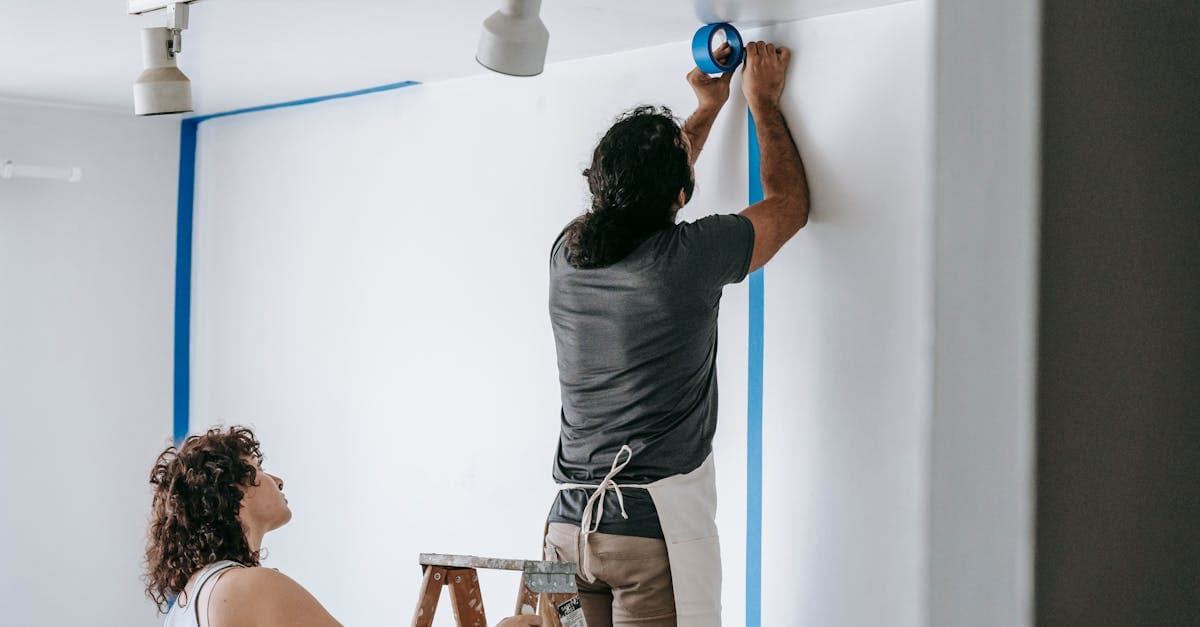
Overview
Choosing the right paint makes a huge difference in your project's success, durability, and appearance. Quality paint covers better, lasts longer, and looks better than bargain options. Understanding paint quality, finishes, and formulations helps you make informed decisions and get the best results for your budget.
Why This Matters
Quality paint can save you time (fewer coats needed) and money (lasts longer, looks better). Cheap paint often requires multiple coats, fades quickly, and may not hold up to cleaning. The difference between a $30 gallon and a $60 gallon can mean the difference between a project that looks great for years versus one that needs repainting in a few years.
Understanding Paint Quality
What Makes Quality Paint
Better ingredients:
- Higher-quality pigments - Better color and coverage
- Superior binders - Better adhesion and durability
- Advanced additives - Mildew resistance, flow, leveling
- Consistent formulation - Reliable results
Price vs. Quality
Budget paint ($20-$35/gallon):
- Lower pigment content - May need 2-3 coats
- Basic binders - Less durable
- Fewer additives - Limited features
- OK for: Low-traffic areas, temporary projects
Mid-range paint ($35-$55/gallon):
- Good balance of quality and price
- Better coverage - Often one coat sufficient
- Good durability - Lasts 5-7 years typically
- Best for: Most interior projects
Premium paint ($55-$80+/gallon):
- Highest quality ingredients
- Excellent coverage - One coat often sufficient
- Superior durability - Lasts 7-10+ years
- Best for: High-traffic areas, long-term projects
Paint Finishes Explained
Flat (Matte)
Characteristics:
- No sheen - Completely matte
- Hides imperfections best
- Not washable - Marks easily
- Best for: Ceilings, low-traffic areas
Eggshell
Characteristics:
- Subtle sheen - Slight luster
- Washable - Can be cleaned
- Hides imperfections well
- Best for: Most interior walls
Satin
Characteristics:
- Noticeable sheen - Smooth finish
- Very washable - Easy to clean
- Shows imperfections more than eggshell
- Best for: Kitchens, bathrooms, high-traffic areas
Semi-Gloss
Characteristics:
- Shiny finish - Reflective surface
- Highly washable - Very durable
- Shows all imperfections - Surface must be smooth
- Best for: Trim, doors, cabinets, bathrooms
Gloss
Characteristics:
- Very shiny - Highly reflective
- Most durable - Easiest to clean
- Shows every imperfection - Requires perfect surface
- Best for: Trim, furniture, high-moisture areas
Choosing the Right Finish
By Room
Living rooms, bedrooms:
- Eggshell or satin - Good balance of appearance and durability
Kitchens, bathrooms:
- Satin or semi-gloss - Moisture and cleaning resistance
Ceilings:
- Flat - Hides imperfections, no need for sheen
Trim, doors, cabinets:
- Semi-gloss or gloss - Durability and cleanability
Paint Types
Latex (Water-Based)
Pros:
- Easy cleanup - Soap and water
- Low odor - Better for occupied homes
- Fast drying - 1-2 hours typically
- Flexible - Moves with temperature changes
Best for: Most interior applications
Oil-Based (Alkyd)
Pros:
- Very durable - Hard, smooth finish
- Excellent adhesion - Sticks to difficult surfaces
- Smooth finish - Fewer brush marks
Cons:
- Strong odor - Requires ventilation
- Slow drying - 6-8 hours
- Difficult cleanup - Requires solvents
- Less flexible - Can crack over time
Best for: Trim, cabinets, high-wear areas (though latex alternatives often work well)
Special Formulations
Primer
When to use:
- Bare surfaces - Drywall, wood
- Stain blocking - Cover stains or dark colors
- Adhesion - Help paint stick to difficult surfaces
- Color change - Dramatic color changes
Paint + Primer
Convenience option:
- Combines primer and paint
- May work for some situations
- Not always as effective as separate primer
- Check if separate primer recommended
Calculating Paint Needs
Measure Your Space
For walls:
- Measure length of each wall
- Measure height (typically 8-9 feet)
- Calculate area (length × height)
- Subtract doors and windows (rough estimate)
- Add 10% for waste and touch-ups
Coverage Estimates
Typical coverage:
- One gallon = 350-400 square feet (one coat)
- Quality paint may cover better
- Rough surfaces need more paint
- Dark to light color changes need more coats
Example Calculation
Room: 12×15 feet, 8-foot ceilings
- Walls: (12+15+12+15) × 8 = 432 square feet
- Subtract: 50 square feet (doors/windows)
- Total: 382 square feet
- Paint needed: ~1 gallon (if one coat) or 2 gallons (if two coats)
Testing Paint
Get Samples
Before committing:
- Buy sample sizes (usually $5-$10)
- Paint 2×2 foot area on wall
- View in different light (day, night, artificial)
- Live with it for a few days
- Compare multiple options
Consider Lighting
Paint looks different in:
- Natural light - North vs. south facing
- Artificial light - Warm vs. cool bulbs
- Time of day - Morning vs. evening
Quality Indicators
What to Look For
Good signs:
- Thick consistency - Not too runny
- Good coverage - Covers in fewer coats
- Smooth application - Levels well
- Consistent color - No separation
- Good reputation - Brand reliability
Red Flags
Avoid if:
- Very thin - Watery consistency
- Separates - Oil and pigment separate
- Poor coverage - Needs many coats
- Fades quickly - Low-quality pigments
Cost Considerations
Budget planning:
- Measure accurately - Avoid buying too much
- Buy quality - Better value long-term
- Consider primer - May save paint
- Buy extra - For touch-ups later
- Store properly - Keeps paint usable
When to Consult Professionals
Consider professional advice if:
- Unusual surfaces - Metal, masonry, etc.
- Special requirements - Fire resistance, etc.
- Large project - May get better pricing
- Color consultation - Want expert guidance
Conclusion
Choosing quality paint is an investment that pays off through better coverage, longer durability, and superior appearance. While premium paint costs more upfront, it often requires fewer coats and lasts longer, making it better value overall. Take time to understand your needs, test colors, and choose the right finish for each application. Your finished project will reflect the quality of materials you choose.
Frequently Asked Questions
What's the difference between cheap and expensive paint?
Quality paint has better pigments, binders, and additives, resulting in better coverage, durability, and color retention. Cheap paint may require multiple coats and fades faster.
How much paint do I need?
One gallon typically covers 350-400 square feet with one coat. Measure your walls (length × height, subtract doors/windows) and divide by 350 to estimate gallons needed.
Should I use flat, eggshell, satin, or gloss paint?
Flat hides imperfections but isn't washable. Eggshell and satin are good for most walls (washable, subtle sheen). Semi-gloss and gloss are best for trim and high-moisture areas.