
Understanding HVAC Costs for Homeowners
HVAC costs vary widely based on system type, home size, and installation complexity. Use this guide to understand what drives costs and when different options make sense.
We'll send your free checklist and tips. Unsubscribe anytime.
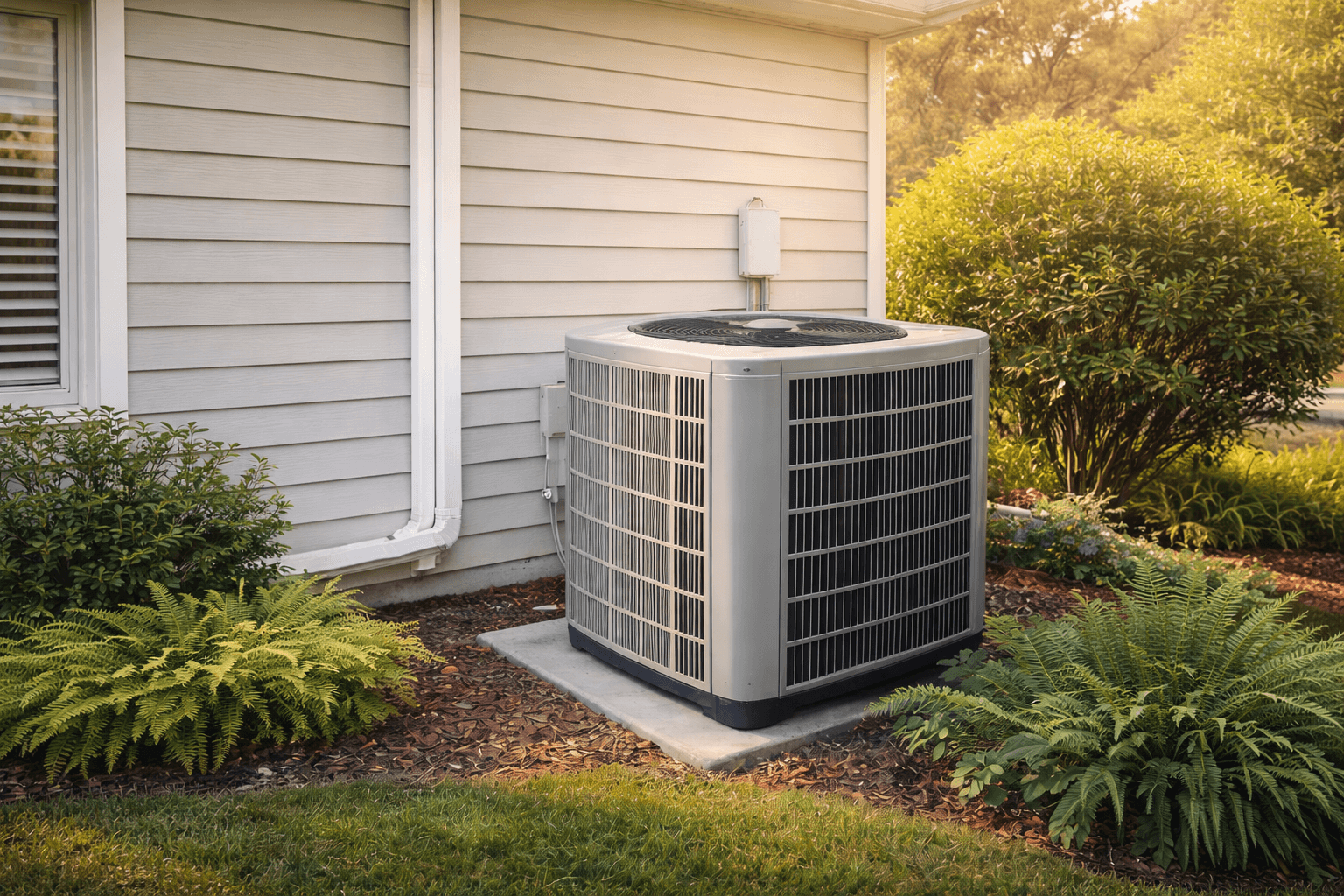
Quick Answer
HVAC costs usually depend on the project size, access, material or equipment choices, and whether the work is planned or urgent. Use the ranges below to set a realistic starting budget, then compare quotes against the specific scope of your home.
What Impacts HVAC Costs?
Home size & layout
Larger homes need larger systems. Multi-story layouts or complex ductwork add installation time and equipment costs.
System type & efficiency
Standard efficiency units cost less upfront. High-efficiency systems reduce long-term energy bills but have higher initial costs.
Age & condition
Older homes may need ductwork updates, electrical upgrades, or code compliance work that adds to total cost.
Installation complexity
Attic or crawl space access, zoning requirements, and permit fees all affect labor time and cost.
Local labor & codes
Regional labor rates vary significantly. Some areas require specific permits, inspections, or energy compliance.
Climate demands
Extreme climates may require more robust systems. Humidity control or air quality features add options and cost.
HVAC Cost Ranges by Scenario
General ranges to help with planning—not replacement pricing.
$100–$500
Routine maintenance, filter changes, refrigerant top-offs, and minor component repairs.
$1,500–$5,000
Replacing a furnace or AC unit alone, adding a thermostat, or upgrading ductwork sections.
$8,000–$15,000+
Complete HVAC replacement including equipment, labor, and standard permits.
Homeowner Examples
Use these common situations to understand where your project may land.
Small HVAC system issue
Routine maintenance, filter changes, refrigerant top-offs, and minor component repairs.
How to plan: Start with the $100–$500 planning range, then confirm whether access, age, or code requirements add labor.
Typical HVAC system project
Replacing a furnace or AC unit alone, adding a thermostat, or upgrading ductwork sections.
How to plan: Use the $1,500–$5,000 range as your comparison point when reviewing quotes.
Larger or urgent HVAC system work
Complete HVAC replacement including equipment, labor, and standard permits.
How to plan: Expect the $8,000–$15,000+ range and ask each contractor what is included, excluded, and optional.
Common HVAC Cost Paths
Explore detailed guides for specific scenarios.
HVAC Replacement Costs
Detailed cost breakdown for full HVAC system replacement, with ZIP-based estimates.
View detailed costs →HVAC Lifespan Guide
Learn how long HVAC systems last and signs it's time to replace.
Check lifespan →Monthly Maintenance
Keep your HVAC running efficiently with regular maintenance tasks.
Start checklist →When Homeowners Typically Spend More or Less
Decision-support guidance to help you anticipate costs.
Costs tend to be higher when...
- Emergency replacement during peak season (summer or winter)
- Multi-zone systems or complex ductwork configurations
- High-efficiency or variable-speed equipment choices
- Older homes requiring electrical or ductwork upgrades
- Areas with high labor rates or strict permit requirements
Costs tend to be lower when...
- Planned replacement during off-season (spring or fall)
- Simple single-zone systems with existing ductwork
- Standard efficiency equipment matching existing setup
- Newer homes with modern infrastructure
- Getting multiple quotes and comparing options
Common mistakes that increase spend
- Choosing the cheapest option without considering efficiency
- Oversizing or undersizing the system for the home
- Skipping maintenance that extends system life
- Waiting until complete failure forces emergency replacement
Planning & Budgeting Guidance
Smart planning reduces costs and stress. Here's how to prepare.
Get quotes before your system shows signs of failure
Compare at least three licensed contractors
Consider financing options for high-efficiency upgrades
Schedule installation during the off-season for better availability
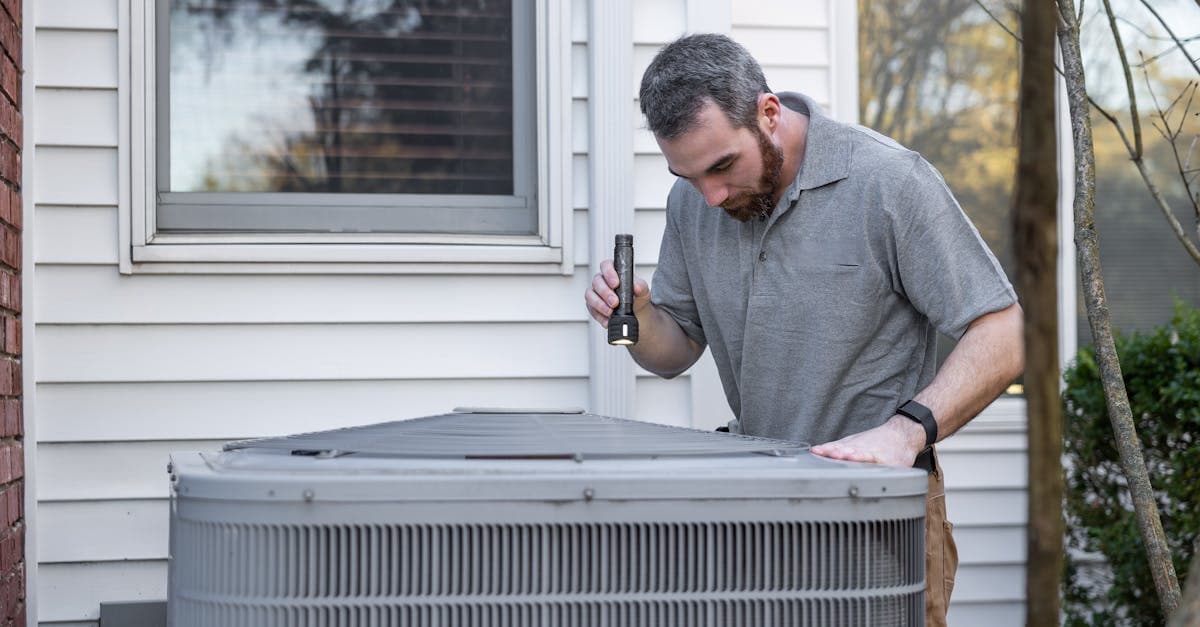
A technician inspects an outdoor HVAC unit for maintenance
HVAC Cost FAQs
Common questions about HVAC system costs.
Why do HVAC costs vary so much?
HVAC costs depend on system size, efficiency rating, installation complexity, local labor rates, and permit requirements. The same equipment can cost significantly more or less depending on your home and region.
Is replacement always necessary?
Not always. Minor issues can often be repaired cost-effectively. Replacement makes sense when repairs become frequent, the system is over 12–15 years old, or efficiency has dropped significantly.
How long does a typical HVAC system last?
Most HVAC systems last 15–20 years with proper maintenance. Air conditioners typically last 15–20 years, furnaces 15–25 years. Heat pumps may have shorter lifespans of 10–15 years.
What factors do homeowners often overlook?
Many homeowners focus only on equipment cost and miss installation quality, warranty terms, contractor reputation, and long-term energy efficiency. Cheap installations can lead to higher operating costs.