
Understanding Roof Costs for Homeowners
Roof costs depend on size, pitch, material choice, and installation complexity. Use this guide to understand what drives costs before getting quotes.
We'll send your free checklist and tips. Unsubscribe anytime.
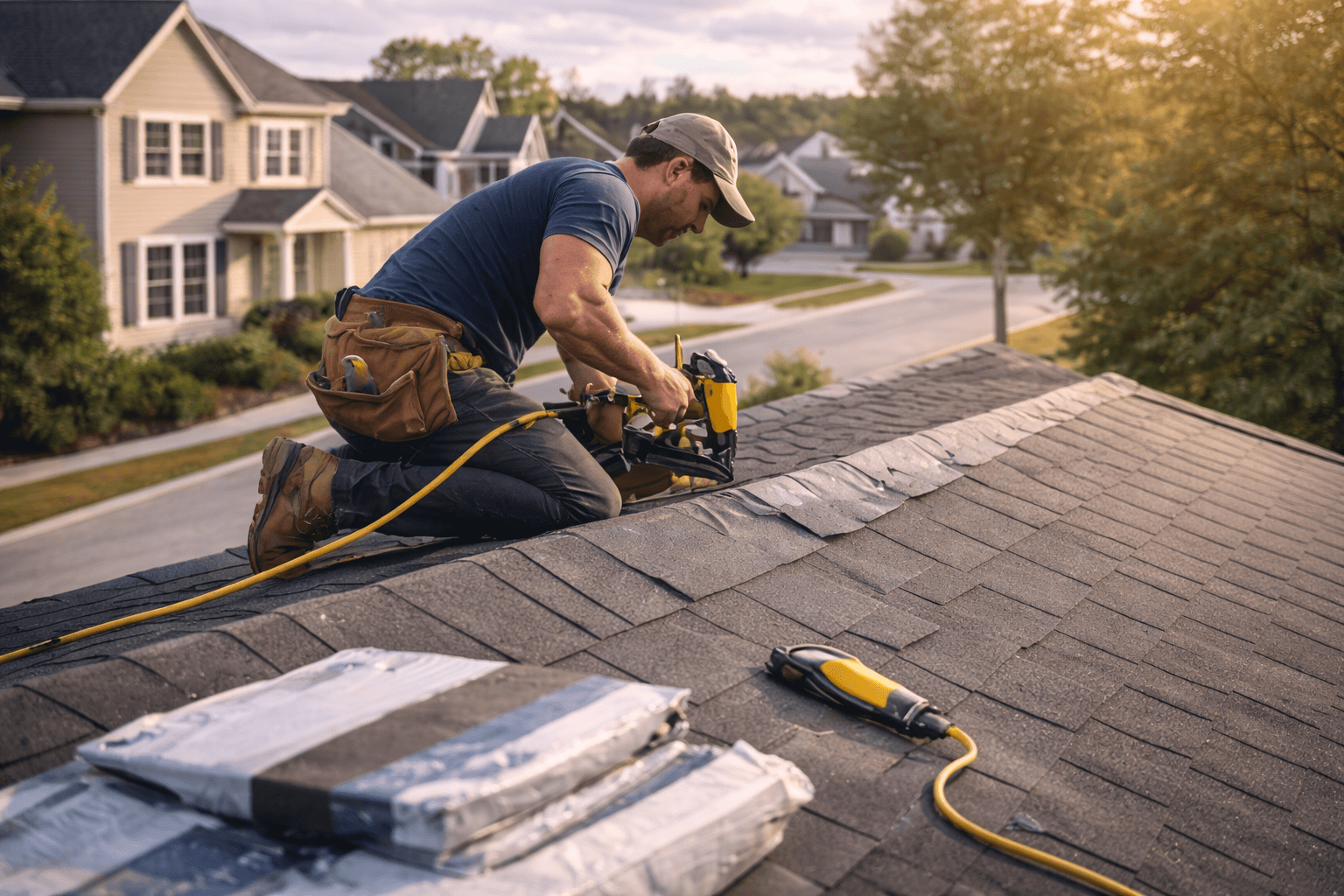
Quick Answer
Roof costs usually depend on the project size, access, material or equipment choices, and whether the work is planned or urgent. Use the ranges below to set a realistic starting budget, then compare quotes against the specific scope of your home.
What Impacts Roof Costs?
Roof size & pitch
Larger roofs need more materials. Steeper pitches increase labor time and safety requirements.
Material choice
Asphalt shingles are most affordable. Metal, tile, and slate cost more but last longer.
Existing layers
Tear-off of old layers adds labor and disposal costs. Some roofs can have a new layer added.
Structural condition
Rotted decking, damaged trusses, or inadequate ventilation require repairs before new roofing.
Accessibility
Multi-story homes, steep pitches, or landscaping obstacles add complexity and labor time.
Local codes & permits
Permit fees and inspection requirements vary by municipality. Some areas have stricter standards.
Roof Cost Ranges by Scenario
General ranges to help with planning—not replacement pricing.
$300–$1,500
Fixing leaks, replacing damaged shingles, or repairing flashing around vents.
$3,000–$8,000
Replacing a section of the roof, typically one slope or damaged area.
$10,000–$25,000+
Complete roof replacement including tear-off, materials, and labor.
Homeowner Examples
Use these common situations to understand where your project may land.
Small roof issue
Fixing leaks, replacing damaged shingles, or repairing flashing around vents.
How to plan: Start with the $300–$1,500 planning range, then confirm whether access, age, or code requirements add labor.
Typical roof project
Replacing a section of the roof, typically one slope or damaged area.
How to plan: Use the $3,000–$8,000 range as your comparison point when reviewing quotes.
Larger or urgent roof work
Complete roof replacement including tear-off, materials, and labor.
How to plan: Expect the $10,000–$25,000+ range and ask each contractor what is included, excluded, and optional.
Common Roof Cost Paths
Explore detailed guides for specific scenarios.
Roof Replacement Costs
Detailed cost breakdown for full roof replacement, with ZIP-based estimates.
View detailed costs →Roof Lifespan Guide
Learn how long different roofing materials last and signs of wear.
Check lifespan →Seasonal Maintenance
Protect your roof with seasonal inspection and maintenance tasks.
Start checklist →When Homeowners Typically Spend More or Less
Decision-support guidance to help you anticipate costs.
Costs tend to be higher when...
- Large or multi-story homes with difficult access
- Steep roof pitches requiring additional safety measures
- Premium materials like metal, tile, or slate
- Multiple layers requiring complete tear-off
- Structural repairs needed before re-roofing
Costs tend to be lower when...
- Standard-pitch roofs with easy access
- Asphalt shingles in standard colors
- Single-layer tear-off or overlay
- Simple roof designs with few penetrations
- Off-season scheduling when contractors are less busy
Common mistakes that increase spend
- Ignoring small leaks that lead to bigger damage
- Choosing cheapest materials without considering climate
- Not verifying contractor insurance and licensing
- Skipping ventilation improvements during replacement
Planning & Budgeting Guidance
Smart planning reduces costs and stress. Here's how to prepare.
Inspect your roof after major storms
Know your roof's age and material lifespan
Get multiple quotes with detailed scope of work
Check references and verify contractor credentials
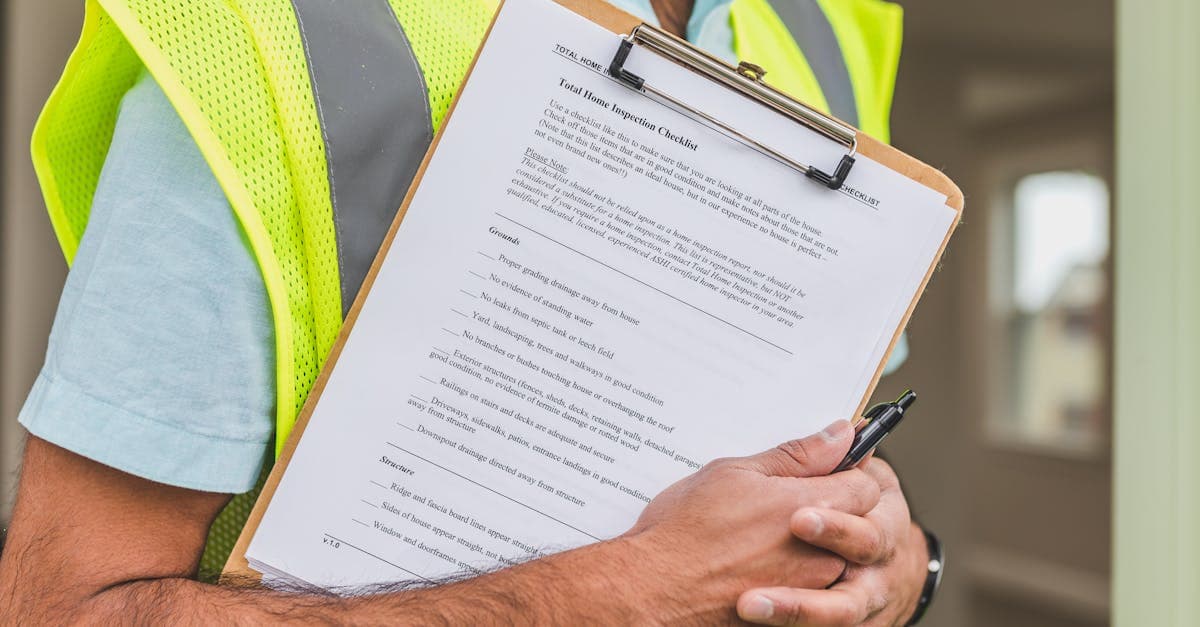
Seasonal roof maintenance helps prevent costly repairs
Roof Cost FAQs
Common questions about roof costs.
Why do roof costs vary so much?
Roof costs depend on square footage, pitch, material choice, existing condition, and local labor rates. A simple asphalt replacement costs far less than a complex tile roof installation.
Is replacement always necessary?
Not always. Isolated damage or leaks can often be repaired. Full replacement makes sense when the roof is near end-of-life, has widespread damage, or shows signs of structural issues.
How long does a typical roof last?
Asphalt shingles typically last 20–30 years. Metal roofs can last 40–70 years. Tile and slate may last 50–100 years. Climate, maintenance, and installation quality all affect lifespan.
What factors do homeowners often overlook?
Many overlook ventilation, flashing quality, and warranty terms. Poor ventilation can void warranties and shorten roof life. Quality installation matters as much as material choice.