
Understanding Water Heater Costs for Homeowners
Water heater costs depend on tank size, fuel type, and installation requirements. Learn what drives costs and how to plan for different scenarios.
We'll send your free checklist and tips. Unsubscribe anytime.
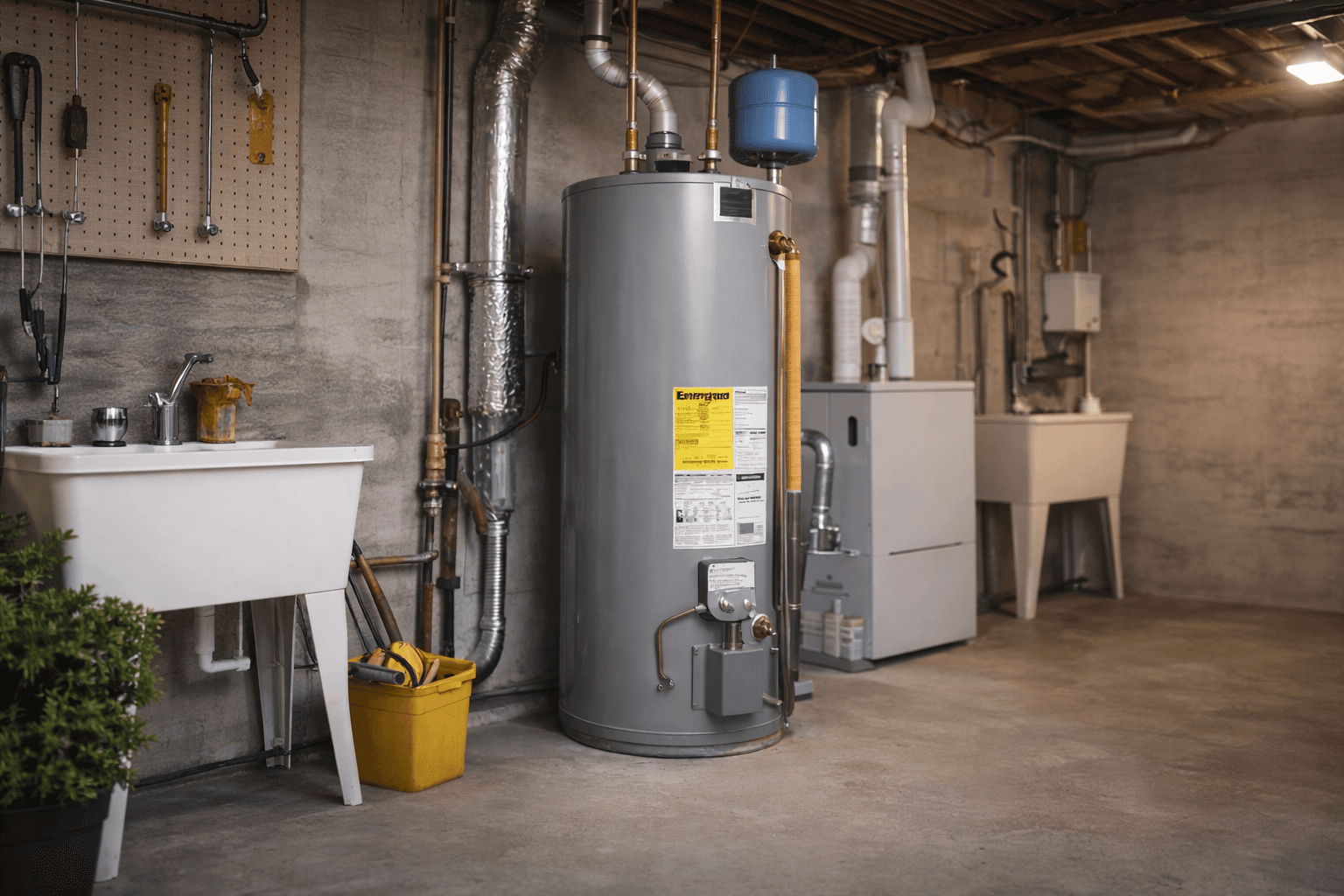
Quick Answer
Water Heater costs usually depend on the project size, access, material or equipment choices, and whether the work is planned or urgent. Use the ranges below to set a realistic starting budget, then compare quotes against the specific scope of your home.
What Impacts Water Heater Costs?
Tank size & capacity
Larger tanks cost more but provide more hot water. Household size determines the right capacity.
Fuel type
Gas, electric, and hybrid units have different equipment and installation costs. Gas units require venting.
Tank vs. tankless
Tankless units cost more upfront but can reduce energy bills. Installation complexity varies significantly.
Installation access
Easy-access utility rooms simplify installation. Tight spaces, basements, or attic locations add labor time.
Code requirements
Some areas require expansion tanks, upgraded venting, or seismic straps that add to total cost.
Existing infrastructure
Switching fuel types or upgrading from tank to tankless may require electrical or gas line modifications.
Water Heater Cost Ranges by Scenario
General ranges to help with planning—not replacement pricing.
$100–$400
Replacing heating elements, thermostats, anode rods, or pressure relief valves.
$1,200–$2,500
Like-for-like tank water heater replacement including labor and basic disposal.
$3,000–$5,500+
Tankless installation or upgrade requiring gas line or electrical work.
Homeowner Examples
Use these common situations to understand where your project may land.
Small water heater issue
Replacing heating elements, thermostats, anode rods, or pressure relief valves.
How to plan: Start with the $100–$400 planning range, then confirm whether access, age, or code requirements add labor.
Typical water heater project
Like-for-like tank water heater replacement including labor and basic disposal.
How to plan: Use the $1,200–$2,500 range as your comparison point when reviewing quotes.
Larger or urgent water heater work
Tankless installation or upgrade requiring gas line or electrical work.
How to plan: Expect the $3,000–$5,500+ range and ask each contractor what is included, excluded, and optional.
Common Water Heater Cost Paths
Explore detailed guides for specific scenarios.
Water Heater Replacement Costs
Detailed cost breakdown for water heater replacement, with ZIP-based estimates.
View detailed costs →Water Heater Lifespan Guide
Learn how long water heaters last and signs of failure.
Check lifespan →Monthly Maintenance
Simple tasks to extend your water heater's life and efficiency.
Start checklist →When Homeowners Typically Spend More or Less
Decision-support guidance to help you anticipate costs.
Costs tend to be higher when...
- Emergency replacement after a tank failure
- Switching from tank to tankless system
- Upgrading fuel type (electric to gas or vice versa)
- Homes requiring gas line or electrical upgrades
- Premium energy-efficient or hybrid units
Costs tend to be lower when...
- Planned replacement before failure
- Like-for-like tank replacement
- Easy utility room access
- Standard capacity matching household needs
- Comparing quotes from multiple installers
Common mistakes that increase spend
- Ignoring warning signs until complete failure
- Choosing undersized units that run out of hot water
- Skipping anode rod maintenance that prevents tank corrosion
- Not considering long-term energy costs when choosing type
Planning & Budgeting Guidance
Smart planning reduces costs and stress. Here's how to prepare.
Know your water heater's age—most tanks last 8–12 years
Flush the tank annually to extend lifespan
Compare tank vs. tankless based on usage patterns
Get quotes before you need emergency service
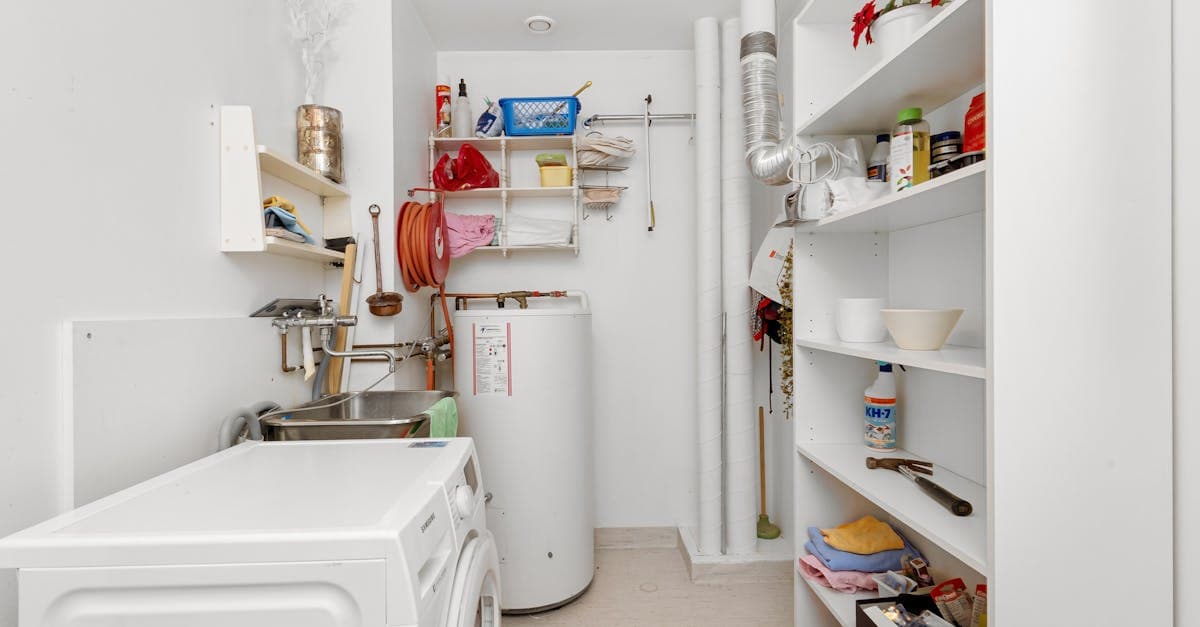
Signs your water heater needs replacement
Water Heater Cost FAQs
Common questions about water heater costs.
Why do water heater costs vary so much?
Costs depend on tank size, fuel type (gas vs. electric), unit efficiency, and installation complexity. Tankless units and fuel-type conversions add significant cost.
Is replacement always necessary?
Not always. Issues like faulty thermostats or heating elements can be repaired. However, tank leaks, rust in hot water, or units over 10 years old usually mean replacement is the better option.
How long does a typical water heater last?
Tank water heaters typically last 8–12 years. Tankless units can last 15–20 years with proper maintenance. Water quality and maintenance habits affect lifespan significantly.
What factors do homeowners often overlook?
Many overlook the total cost of ownership—energy efficiency, maintenance needs, and warranty terms. A cheaper unit with higher operating costs may cost more over time.