
DIY Maintenance Checklists
Tasks most homeowners can do with basic tools and safe, visual checks. Use the links below to browse by schedule or system, or scroll to the checklist.
We'll send your free checklist and tips. Unsubscribe anytime.
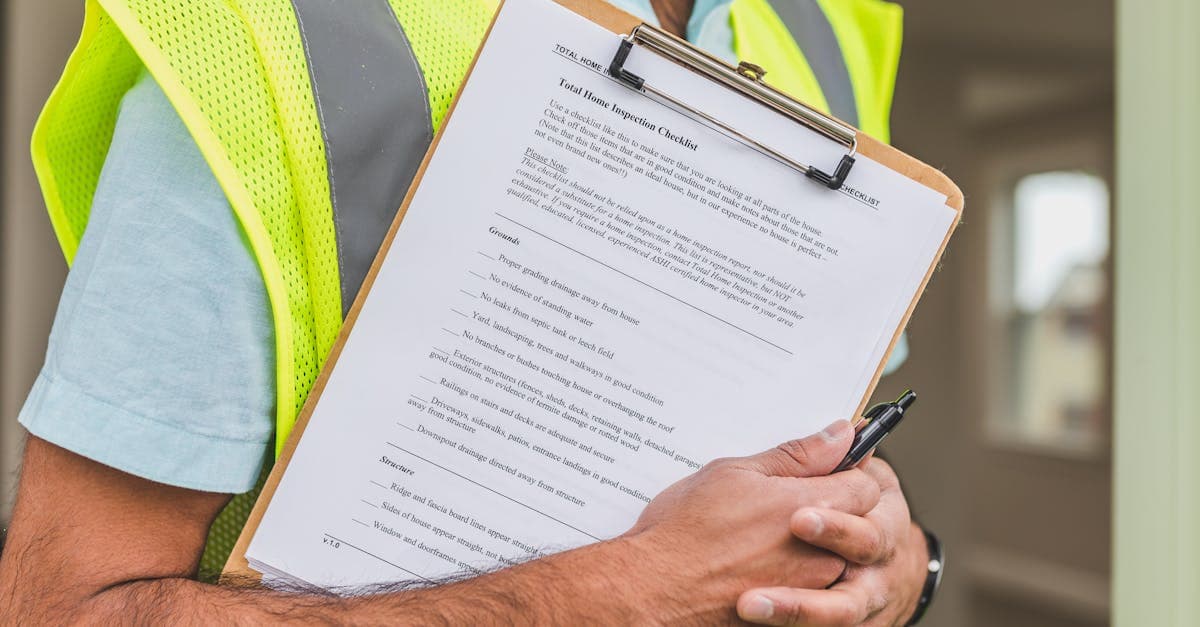
Choose your checklist
Monthly checklist
Recurring tasks every month.
ExploreSeasonal checklist
Tasks by season.
ExploreYearly checklist
Annual inspections and service.
ExploreBy system
HVAC, plumbing, electrical, roof.
ExploreBy appliance
Refrigerator, dryer, dishwasher.
ExploreBy area
Kitchen, bathroom, attic, yard.
ExploreExterior checklist
Gutters, roof, siding, drainage.
ExploreInterior checklist
HVAC, plumbing, safety devices.
Explore109
DIY tasks
How to use this page
- Use the cards above to jump to monthly, seasonal, yearly, or system-specific checklists.
- The list below shows all DIY-friendly tasks in one place. Filter by schedule or system from the linked hubs.
- When in doubt, call a pro—especially for electrical, gas, or roof work.
DIY maintenance tasks
Replace or clean air filter
Keeps airflow steady and reduces HVAC strain.
Interior · System · HVAC
Check thermostat accuracy
Confirms your system is heating and cooling as set.
Interior · System · HVAC
Inspect supply and return vents
Removes blockages that reduce airflow.
Interior · System · HVAC
Check condensate drain line
Prevents clogs that can cause water damage.
Interior · System · HVAC
Inspect indoor unit for moisture
Catches leaks and rust early.
Interior · System · HVAC
Verify airflow consistency
Flags duct or equipment issues early.
Interior · System · HVAC
Listen for unusual noises
New sounds often signal failing components.
Interior · System · HVAC
Check under sinks for leaks
Catches slow drips before cabinetry is damaged.
Interior · System · Plumbing
Inspect toilet bases for moisture
Stops seal failures from damaging subfloors.
Interior · System · Plumbing
Test water pressure
Detects changes that signal leaks or valve issues.
Interior · System · Plumbing
Inspect visible pipes
Looks for corrosion, sweating, or loose joints.
Interior · System · Plumbing
Run water in unused drains
Keeps traps sealed and prevents odors.
Interior · System · Plumbing
Inspect caulk and grout at fixtures
Seals out moisture around sinks and tubs.
Interior · System · Plumbing
Test GFCI outlets
Confirms safety shutoff protection in wet areas.
Interior · System · Electrical
Inspect outlets and switches
Checks for heat, looseness, or discoloration.
Interior · System · Electrical
Test smoke detectors
Ensures alarms sound in an emergency.
Interior · System · Electrical
Test carbon monoxide detectors
Verifies CO alarms are functioning.
Interior · System · Electrical
Check for leaks
Catches early tank or fitting failures.
Interior · System · Water Heater
Inspect temperature setting
Keeps water safe and energy use reasonable.
Interior · System · Water Heater
Inspect walls and ceilings for cracks
Tracks movement that may need attention.
Interior · System · Structural (Interior Indicators)
Check doors for sticking or misalignment
Early signs of settling or humidity shifts.
Interior · System · Structural (Interior Indicators)
Inspect floors for soft spots
Finds hidden moisture or structural wear.
Interior · System · Structural (Interior Indicators)
Look for water stains
Spots leaks before they spread.
Interior · System · Structural (Interior Indicators)
Check temperature settings
Keeps food safe and energy use steady.
Interior · Appliance · Refrigerator
Clean door seals
Improves efficiency and prevents frost buildup.
Interior · Appliance · Refrigerator
Clean condenser coils
Helps the fridge run cooler and longer.
Interior · Appliance · Refrigerator
Inspect water line
Prevents slow leaks behind the appliance.
Interior · Appliance · Refrigerator
Clean filter
Improves cleaning performance and drainage.
Interior · Appliance · Dishwasher
Inspect spray arms
Clears clogs that reduce wash coverage.
Interior · Appliance · Dishwasher
Run cleaning cycle
Removes buildup and odors.
Interior · Appliance · Dishwasher
Inspect hoses
Checks for cracking or leaks.
Interior · Appliance · Dishwasher
Run cleaning cycle
Removes residue and keeps the drum fresh.
Interior · Appliance · Washer
Inspect hoses
Catches bulges or cracks before they burst.
Interior · Appliance · Washer
Clean detergent tray
Prevents buildup and mold.
Interior · Appliance · Washer
Check for excessive vibration
Flags leveling or load issues.
Interior · Appliance · Washer
Clean lint trap
Improves airflow and reduces fire risk.
Interior · Appliance · Dryer
Inspect vent hose
Checks for kinks or loose connections.
Interior · Appliance · Dryer
Check exterior vent flap
Ensures the flap opens and closes freely.
Interior · Appliance · Dryer
Clean burners or surface
Keeps burners lighting evenly and safely.
Interior · Appliance · Range / Oven
Test heating elements
Confirms consistent heating performance.
Interior · Appliance · Range / Oven
Inspect anti-tip bracket
Ensures the range is secured and stable.
Interior · Appliance · Range / Oven
Clean interior
Removes residue and prevents odor buildup.
Interior · Appliance · Microwave
Test heating function
Confirms the unit heats evenly.
Interior · Appliance · Microwave
Inspect door seal
Ensures the door closes securely.
Interior · Appliance · Microwave
Inspect for leaks
Checks under the sink for drips or moisture.
Interior · Appliance · Garbage Disposal
Clean and deodorize disposal
Keeps the unit clear of buildup and odors.
Interior · Appliance · Garbage Disposal
Test grinding operation
Confirms the motor runs smoothly.
Interior · Appliance · Garbage Disposal
Inspect under-sink cabinet
Looks for leaks or swelling from moisture.
Interior · Area · Kitchen
Clean range hood filter
Improves airflow and reduces grease buildup.
Interior · Area · Kitchen
Test outlets
Checks outlet safety and function.
Interior · Area · Kitchen
Inspect caulk and grout
Seals out water around sinks and backsplashes.
Interior · Area · Kitchen
Inspect grout and caulk
Prevents water from seeping into walls.
Interior · Area · Bathroom
Test ventilation fan
Ensures moisture is vented outside.
Interior · Area · Bathroom
Check toilet stability
Stops leaks at the base before damage spreads.
Interior · Area · Bathroom
Inspect drain flow
Clears slow drains before clogs form.
Interior · Area · Bathroom
Inspect washer connections
Checks hoses and valves for leaks.
Interior · Area · Laundry Room
Inspect dryer venting
Ensures the vent is secure and unobstructed.
Interior · Area · Laundry Room
Check for moisture damage
Catches leaks before flooring is harmed.
Interior · Area · Laundry Room
Inspect for cracks or rot
Prevents water from entering the walls.
Exterior · System · Siding
Inspect seams and caulk
Maintains weather seals.
Exterior · System · Siding
Clean exterior surface
Removes dirt and reduces wear.
Exterior · System · Siding
Inspect exterior caulking
Stops drafts and moisture intrusion.
Exterior · System · Windows & Doors
Inspect weather stripping
Keeps seals tight and energy use lower.
Exterior · System · Windows & Doors
Inspect frames for rot
Catches wood damage early.
Exterior · System · Windows & Doors
Inspect hose bibs
Looks for leaks or loose fittings.
Exterior · System · Exterior Plumbing
Test outdoor faucets
Confirms shutoffs and flow after winter.
Exterior · System · Exterior Plumbing
Inspect irrigation lines
Checks for leaks and broken heads.
Exterior · System · Exterior Plumbing
Clear debris around unit
Keeps outdoor equipment breathing freely.
Exterior · System · HVAC (Outdoor Unit)
Inspect fins
Looks for bent fins or blockages.
Exterior · System · HVAC (Outdoor Unit)
Check refrigerant line insulation
Helps the system run efficiently.
Exterior · System · HVAC (Outdoor Unit)
Verify unit is level
Prevents vibration and wear.
Exterior · System · HVAC (Outdoor Unit)
Inspect boards or surface
Catches rot or loose boards early.
Exterior · Area · Deck / Patio
Check railings
Ensures railings are secure and safe.
Exterior · Area · Deck / Patio
Inspect fasteners
Looks for rust or loose hardware.
Exterior · Area · Deck / Patio
Inspect for cracks
Stops small cracks from spreading.
Exterior · Area · Driveway / Walkways
Check drainage
Prevents pooling near the home.
Exterior · Area · Driveway / Walkways
Test garage door auto-reverse
Confirms safety sensors function.
Exterior · Area · Garage
Inspect tracks and rollers
Ensures smooth, quiet operation.
Exterior · Area · Garage
Lubricate moving parts
Reduces wear on hinges and rollers.
Exterior · Area · Garage
Inspect weather seals
Keeps drafts and pests out.
Exterior · Area · Garage
Trim vegetation away from home
Reduces moisture and pest risks.
Exterior · Area · Yard & Grounds
Inspect trees near structure
Catches limbs that could damage the roof.
Exterior · Area · Yard & Grounds
Check drainage after rain
Finds pooling before it reaches the foundation.
Exterior · Area · Yard & Grounds
Schedule professional HVAC tune-up
Catches problems early and maintains warranty.
Interior · System · HVAC
Inspect ductwork for leaks
Sealed ducts improve efficiency by 20–30%.
Interior · System · HVAC
Check blower motor and fan
Worn parts reduce airflow and increase energy use.
Interior · System · HVAC
Flush water heater tank
Removes sediment that reduces efficiency and lifespan.
Interior · System · Plumbing
Inspect or replace anode rod
Protects the tank from corrosion.
Interior · System · Plumbing
Test main water shut-off valve
Ensures you can stop water in an emergency.
Interior · System · Plumbing
Inspect supply lines to fixtures
Old rubber hoses can burst suddenly.
Interior · System · Plumbing
Have electrician inspect panel
Catches corrosion, loose connections, and overloads.
Interior · System · Electrical
Replace smoke and CO detector batteries
Ensures reliable operation year-round.
Interior · System · Electrical
Verify circuit breaker labels
Helps in emergencies and future work.
Interior · System · Electrical
Flush water heater to remove sediment
Extends tank life and improves heating efficiency.
Interior · System · Water Heater
Inspect anode rod condition
Sacrificial rod protects tank from corrosion.
Interior · System · Water Heater
Check venting for blockages (gas units)
Proper venting prevents carbon monoxide buildup.
Interior · System · Water Heater
Schedule professional roof inspection
Experts catch problems homeowners miss.
Exterior · System · Roof
Check attic ventilation
Proper ventilation extends roof life.
Exterior · System · Roof
Inspect and clean roof vents
Blocked vents cause moisture problems.
Exterior · System · Roof
Inspect gutters for rust or corrosion
Replace damaged sections before failure.
Exterior · System · Gutters & Downspouts
Check and tighten gutter hangers
Prevents sagging under water weight.
Exterior · System · Gutters & Downspouts
Inspect foundation for new cracks
Tracks movement that may need attention.
Exterior · System · Foundation
Inspect siding for damage or rot
Catches moisture intrusion before it spreads.
Exterior · System · Siding
Inspect window and door seals
Worn seals increase energy bills and drafts.
Exterior · System · Windows & Doors
Inspect attic insulation condition
Finds gaps that increase heating and cooling loss.
Interior · System · Insulation & Ventilation
Review walls and ceilings for new cracks
Tracks movement that may need attention.
Interior · System · Structural (Interior Indicators)
Have dryer vent professionally cleaned
Reduces fire risk and improves drying.
Interior · Appliance · Dryer
Clean refrigerator condenser coils
Improves efficiency and extends compressor life.
Interior · Appliance · Refrigerator
Inspect dishwasher seals and spray arms
Prevents leaks and ensures clean dishes.
Interior · Appliance · Dishwasher
FAQ
What counts as DIY maintenance?
Tasks you can do safely with basic tools: filter changes, visual inspections, testing smoke/CO detectors, cleaning gutters (with ladder safety), and simple plumbing like clearing drains.
When should I hire a pro instead of DIY?
Hire a pro for anything involving gas, electrical panels, refrigerant, roof work, or when you're unsure. Safety and code compliance matter more than saving money.
How long does monthly DIY maintenance take?
Most monthly checklists take 30–60 minutes. Focus on filters, smoke/CO detectors, and quick leak checks. Spread tasks across weekends if needed.
What tools do I need for basic DIY maintenance?
A good flashlight, screwdrivers, pliers, a vacuum (for coils and vents), and a ladder. Add a multimeter if you do basic electrical checks.
How do I stay consistent with DIY maintenance?
Use a schedule (monthly, seasonal, yearly) and tie tasks to calendar events—e.g. first weekend of the month, or when you change clocks for daylight saving.