
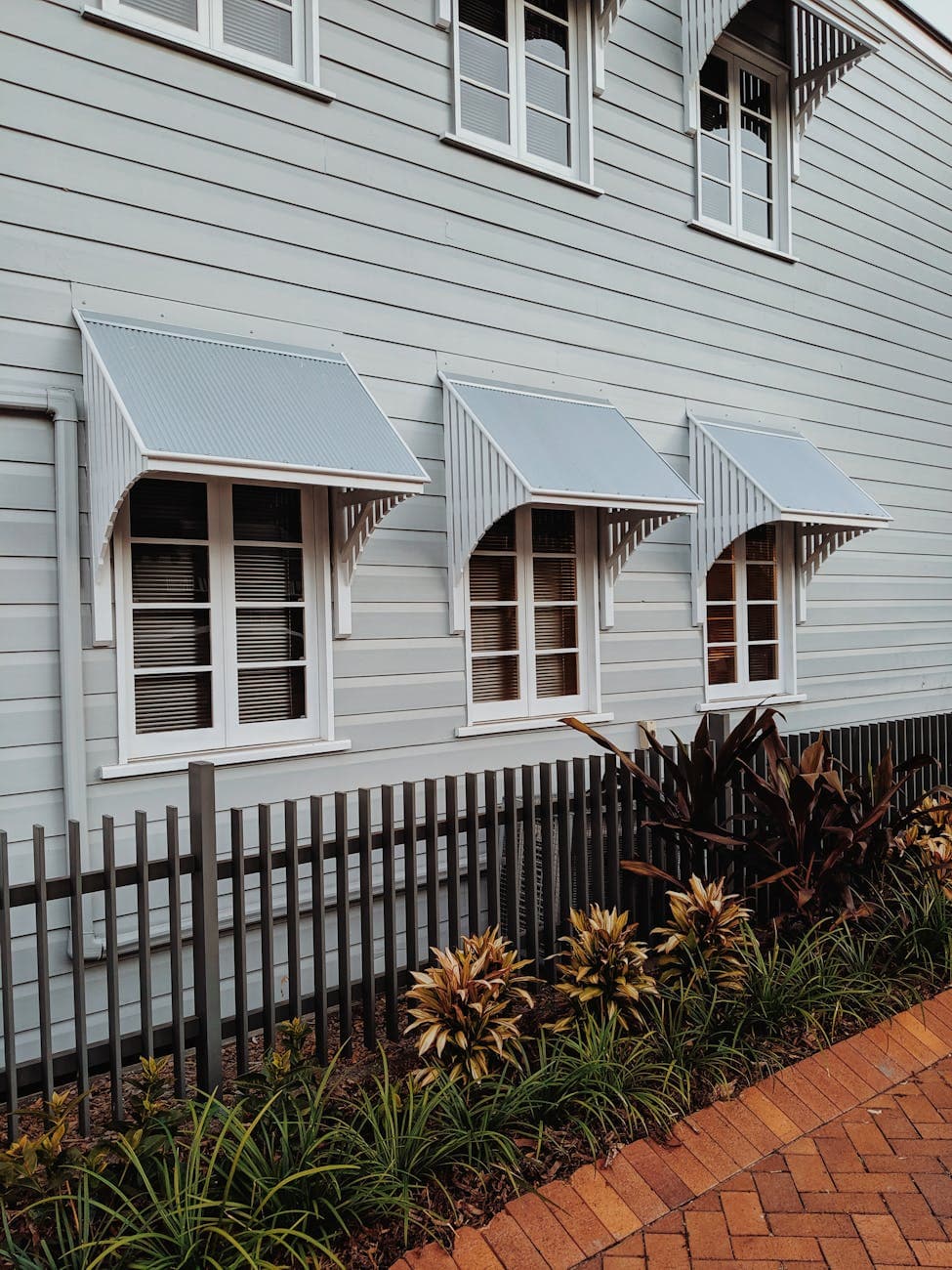
Overview
Creating a beautiful landscape doesn't have to mean hours of weekly maintenance. By choosing the right plants for your climate and conditions, you can enjoy an attractive yard with minimal effort. Low-maintenance landscaping saves time, reduces water usage, and still provides curb appeal and enjoyment.
Why This Matters
Traditional landscaping can require 2-4 hours of maintenance per week during growing season. Low-maintenance plantings reduce this to 30-60 minutes per month, saving significant time while reducing water bills and the need for fertilizers and pesticides. Well-chosen plants also increase your home's curb appeal and value.
Principles of Low-Maintenance Landscaping
Choose Native Plants
Native plants are adapted to your local climate:
- Require less water once established
- Resist local pests and diseases
- Thrive in local soil conditions
- Support local wildlife
Right Plant, Right Place
Match plants to conditions:
- Sun exposure - Full sun, partial shade, or full shade
- Soil type - Well-draining, clay, or sandy
- Moisture - Dry, moderate, or wet areas
- Hardiness zone - Choose plants rated for your zone
Group by Water Needs
Design zones:
- Low water zone - Drought-tolerant plants together
- Moderate water zone - Plants with similar needs
- High water zone - Plants needing regular watering (minimize this zone)
Best Low-Maintenance Plants by Category
Perennials (Return Yearly)
Ornamental Grasses:
- Fountain grass
- Blue fescue
- Switchgrass
- Benefits: Year-round interest, minimal care, drought-tolerant
Flowering Perennials:
- Coneflower (Echinacea)
- Black-eyed Susan
- Daylilies
- Sedum
- Benefits: Long bloom periods, attract pollinators, disease-resistant
Ground Covers:
- Creeping thyme
- Sedum varieties
- Ajuga
- Benefits: Suppress weeds, reduce maintenance, add texture
Shrubs
Evergreen Shrubs:
- Boxwood (slow-growing varieties)
- Juniper
- Yew
- Benefits: Year-round structure, minimal pruning needed
Flowering Shrubs:
- Spirea
- Viburnum
- Hydrangea (panicle types)
- Benefits: Seasonal interest, minimal care once established
Trees
Small Trees:
- Japanese maple (dwarf varieties)
- Redbud
- Serviceberry
- Benefits: Provide shade, seasonal interest, manageable size
Native Trees:
- Choose species native to your region
- Benefits: Adapted to local conditions, support wildlife
Low-Maintenance Design Strategies
Use Mulch
Benefits:
- Reduces weeds
- Retains moisture
- Protects plant roots
- Looks tidy
Types:
- Organic mulch (bark, wood chips) - Breaks down, feeds soil
- Inorganic mulch (gravel, stone) - Long-lasting, no decomposition
Minimize Lawn Areas
Replace high-maintenance grass with:
- Ground covers
- Native plantings
- Hardscaping (patios, paths)
- Result: Less mowing, watering, and fertilizing
Create Plant Communities
Group plants with similar needs:
- Reduces watering time
- Makes maintenance easier
- Creates natural-looking design
Maintenance Requirements
Watering
Establishment period (first year):
- Water regularly to help roots establish
- Gradually reduce frequency
After establishment:
- Most low-maintenance plants need water only during extended dry periods
- Native plants may need no supplemental water
Pruning
Minimal pruning needed:
- Remove dead or damaged branches
- Shape as needed (once or twice per year)
- Choose plants that naturally fit their space
Fertilizing
Most low-maintenance plants need little or no fertilizer:
- Native plants get nutrients from soil
- Over-fertilizing can cause excessive growth (more maintenance)
- Use compost as natural fertilizer if needed
Regional Considerations
Hot, Dry Climates
Best choices:
- Succulents
- Native grasses
- Drought-tolerant perennials
- Cacti (in appropriate zones)
Cold Climates
Best choices:
- Native perennials
- Hardy shrubs
- Evergreens for winter interest
Humid Climates
Best choices:
- Disease-resistant varieties
- Plants with good air circulation
- Native species adapted to humidity
Common Mistakes to Avoid
Over-Planting
Don't: Plant too densely Do: Allow space for mature size
Wrong Plant Selection
Don't: Choose plants not suited to your zone Do: Research hardiness and local conditions
Neglecting Establishment
Don't: Skip watering during first year Do: Help plants establish strong roots
When to Call a Professional
Consider professional landscape design if:
- You're starting from scratch
- You want a comprehensive plan
- You're unsure about plant selection
- You need irrigation system design
- You want hardscaping integrated
Cost Considerations
DIY planting:
- Plants: $5-$50 per plant
- Mulch: $30-$50 per cubic yard
- Tools: $50-$200 (one-time)
Professional design:
- Design consultation: $200-$500
- Installation: $2,000-$10,000+ depending on scope
Conclusion
Low-maintenance landscaping doesn't mean sacrificing beauty. By choosing the right plants for your climate and conditions, grouping them wisely, and using design strategies like mulching and native plantings, you can create an attractive landscape that requires minimal ongoing care. The key is planning and plant selection—invest time upfront to save time later.
Frequently Asked Questions
What makes a plant low-maintenance?
Low-maintenance plants are drought-tolerant, disease-resistant, require minimal pruning, and thrive in your local climate without constant care.
How much water do low-maintenance plants need?
Once established, most low-maintenance plants need watering only during extended dry periods. Native plants typically need the least water.
Can I have a beautiful landscape with low-maintenance plants?
Absolutely. Many low-maintenance plants are highly attractive and provide year-round interest through foliage, flowers, and structure.