
Overview
Choosing the right insulation type is crucial for energy efficiency, comfort, and cost-effectiveness. Different areas of your home and different climates require different insulation types and R-values. This guide helps you understand insulation options and choose the best type for each area of your home.
Why This Matters
Proper insulation can reduce heating and cooling costs by 10-20%, but the wrong type or insufficient R-value reduces effectiveness. Choosing the right insulation for each location maximizes energy savings and ensures your investment provides the expected benefits. Different insulation types have different strengths and are suited to different applications.
Understanding R-Value
What is R-Value?
Definition:
- Resistance to heat flow - Higher is better
- Per inch rating - R-value per inch of thickness
- Total R-value - Thickness × R-value per inch
- Climate dependent - Recommended values vary
Recommended R-Values
By location:
- Attics: R-38 to R-60
- Walls: R-13 to R-21
- Floors: R-25 to R-30
- Basements: R-10 to R-15 (walls)
By climate:
- Cold climates - Higher R-values needed
- Moderate climates - Mid-range R-values
- Warm climates - Lower R-values (but still important)
Insulation Types
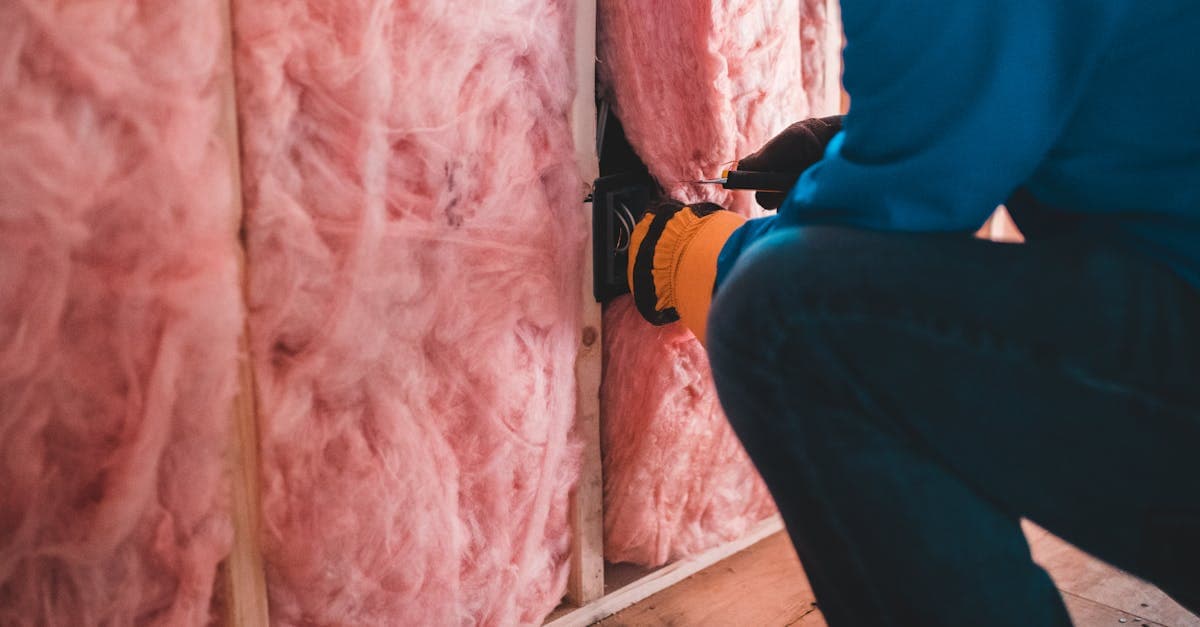
Fiberglass Batts
Best for:
- Standard framing - 16" or 24" spacing
- DIY installation - Easy to install
- Budget projects - Cost-effective
Pros:
- Easy installation - Fits between studs/joists
- Cost-effective - Lower cost per square foot
- Good R-value - R-3.0 to R-3.8 per inch
- Widely available - Easy to find
Cons:
- Gaps reduce effectiveness - Must install carefully
- Can be itchy - Requires protective gear
- May compress - Reducing R-value
Blown-In Insulation
Best for:
- Irregular spaces - Fills gaps well
- Existing construction - Can add without removing walls
- Attics - Excellent coverage
Types:
- Fiberglass - Common, good R-value
- Cellulose - Recycled material, good coverage
- Mineral wool - Fire resistant, good sound control
Pros:
- Better coverage - Fills irregular spaces
- Higher R-value potential - Can achieve R-38+ easily
- Good for retrofits - Add to existing construction
Cons:
- Requires equipment - Rental or professional
- Settling - May compress over time
- Higher cost - More expensive than batts
Spray Foam
Best for:
- Air sealing - Excellent at sealing leaks
- High performance - Highest R-value per inch
- Moisture control - Closed-cell type
Types:
- Open-cell - Lower density, more flexible
- Closed-cell - Higher density, moisture barrier
Pros:
- Highest R-value - R-6 to R-7 per inch
- Air sealing - Seals gaps and leaks
- Moisture resistant - Closed-cell type
Cons:
- Expensive - Highest cost option
- Professional installation - Usually required
- Off-gassing - Initial odor (typically safe)
Rigid Foam
Best for:
- Exterior applications - Under siding, on foundation
- Basements - Moisture resistant
- High R-value - In limited space
Pros:
- High R-value - R-4 to R-6.5 per inch
- Moisture resistant - Good for damp areas
- Structural - Can provide some support
Cons:
- Expensive - Higher cost
- Requires cutting - More work to fit
- Flammable - Must be covered with fire-resistant material
Choosing by Location
Attic Insulation
Best options:
- Blown-in fiberglass or cellulose - Best coverage
- Fiberglass batts - If standard spacing
- Target R-value: R-38 to R-60
Considerations:
- Ventilation - Don't block soffit vents
- Access - Consider future access needs
- Depth - Ensure adequate depth for R-value
Wall Insulation
Best options:
- Fiberglass batts - Standard choice
- Blown-in - For existing walls (drill and fill)
- Spray foam - High performance, air sealing
- Target R-value: R-13 to R-21
Considerations:
- Cavity size - Must fit in wall cavities
- Vapor barrier - May be needed in cold climates
- Existing walls - Blown-in may be only option
Basement Insulation
Best options:
- Rigid foam - Moisture resistant
- Spray foam - Air sealing, moisture control
- Fiberglass - Only if moisture controlled
- Target R-value: R-10 to R-15 (walls)
Considerations:
- Moisture - Critical consideration
- Vapor barrier - Usually needed
- Foundation type - Affects installation method
Floor Insulation
Best options:
- Fiberglass batts - Between joists
- Rigid foam - Under slab or on crawl space walls
- Target R-value: R-25 to R-30
Considerations:
- Access - Can you reach the area?
- Moisture - Crawl spaces need moisture control
- Ventilation - Ensure proper airflow
Climate Considerations
Cold Climates
Priorities:
- High R-values - Maximum insulation
- Air sealing - Prevent heat loss
- Vapor barriers - Prevent moisture problems
- All areas - Insulate everything
Moderate Climates
Priorities:
- Moderate R-values - Standard recommendations
- Balanced approach - Heating and cooling
- Moisture control - Still important
Warm Climates
Priorities:
- Cooling focus - Prevent heat gain
- Radiant barriers - In attics
- Ventilation - Critical for cooling
- Moderate R-values - Still important
Cost Considerations
By Type
Fiberglass batts:
- Cost: $0.50-$1.50 per square foot
- Installation: DIY-friendly
Blown-in:
- Cost: $1.00-$2.00 per square foot
- Installation: Equipment rental or professional
Spray foam:
- Cost: $2.00-$4.00 per square foot
- Installation: Usually professional
Rigid foam:
- Cost: $1.50-$3.00 per square foot
- Installation: Moderate difficulty
Installation Considerations
DIY vs. Professional
DIY-friendly:
- Fiberglass batts - Straightforward installation
- Basic blown-in - With equipment rental
Professional recommended:
- Spray foam - Requires expertise
- Complex applications - Multiple areas, special requirements
- Permits - If required locally
Conclusion
Choosing the right insulation type depends on location, climate, budget, and installation method. Fiberglass batts are cost-effective and DIY-friendly for standard applications. Blown-in insulation provides better coverage for irregular spaces. Spray foam offers the highest performance but at higher cost. Consider your specific needs, local climate requirements, and budget when choosing insulation types for different areas of your home.
Frequently Asked Questions
What's the best insulation for attics?
Blown-in fiberglass or cellulose is often best for attics because it fills irregular spaces well. Fiberglass batts work well for attics with standard joist spacing. R-value of R-38 to R-60 is typically recommended.
Should I use different insulation in different areas?
Yes, different areas have different requirements. Attics need high R-value, walls need insulation that fits in cavities, and basements may need moisture-resistant types. Choose based on location and conditions.
What does R-value mean?
R-value measures insulation's resistance to heat flow. Higher R-value means better insulation. Recommended R-values vary by climate zone and location in your home (attic, walls, floors).