
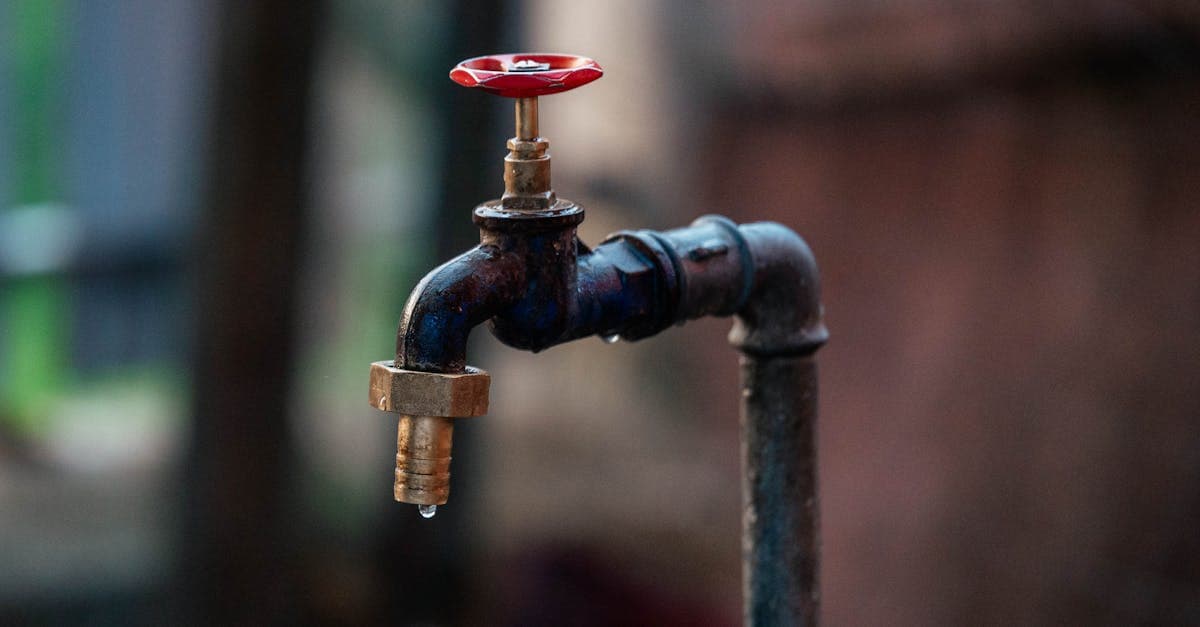
Overview
A leaky faucet is one of the most common home maintenance issues. Not only does it waste water, but it can also lead to higher utility bills and potential water damage. If you suspect a leak you can't see, our guide on hidden water leak detection covers signs and next steps. The good news is that most leaky faucets can be fixed in about 30 minutes with basic tools.
Step 1: Turn Off the Water Supply
Before starting any repair, locate and turn off the water supply valves under the sink. Turn them clockwise until they're fully closed. If you can't find individual shutoff valves, you may need to turn off the main water supply to your home.
Step 2: Remove the Faucet Handle
Use a screwdriver to remove the decorative cap on the handle (if present), then unscrew the handle. Some handles may require an Allen wrench. Gently pull the handle off to expose the stem.
Step 3: Inspect and Replace the Washer or O-Ring
Examine the washer or O-ring for wear, cracks, or deformation. These are the most common causes of leaks. Remove the old washer or O-ring and replace it with a new one of the same size. Apply a small amount of plumber's grease to help with installation and prevent future sticking.
Step 4: Check the Valve Seat
While you have the faucet disassembled, inspect the valve seat (the surface the washer presses against). If it's damaged or pitted, you may need to replace the entire faucet or use a valve seat repair kit.
Step 5: Reassemble and Test
Reassemble the faucet in reverse order, making sure all parts are properly seated. Turn the water supply back on and test the faucet. Check for leaks around the base and from the spout.
Prevention Tips
- Replace washers and O-rings every few years as preventive maintenance
- Don't overtighten faucet handles, as this can damage washers
- Use quality replacement parts for longer-lasting repairs
- Add faucet maintenance to your monthly home checklist
When to Call a Professional
If the leak persists after replacing the washer, or if you have a cartridge or ball-type faucet that requires specialized parts, consider calling a plumber. Also call a pro if you notice water damage or if the faucet is very old and may need complete replacement.
Frequently Asked Questions
How do I know if I need a new O-ring or washer?
If the faucet leaks from the spout, you likely need a new washer. If it leaks from the base, you need a new O-ring.
Can I fix any type of faucet?
Most compression faucets can be fixed with this method. Cartridge and ball-type faucets may need different parts.
How long will the fix last?
With quality parts, a faucet repair can last 5-10 years before needing replacement parts again.
What if the leak persists after replacing the washer?
Check the valve seat for damage. If it's pitted or scratched, you may need to replace the entire faucet.