
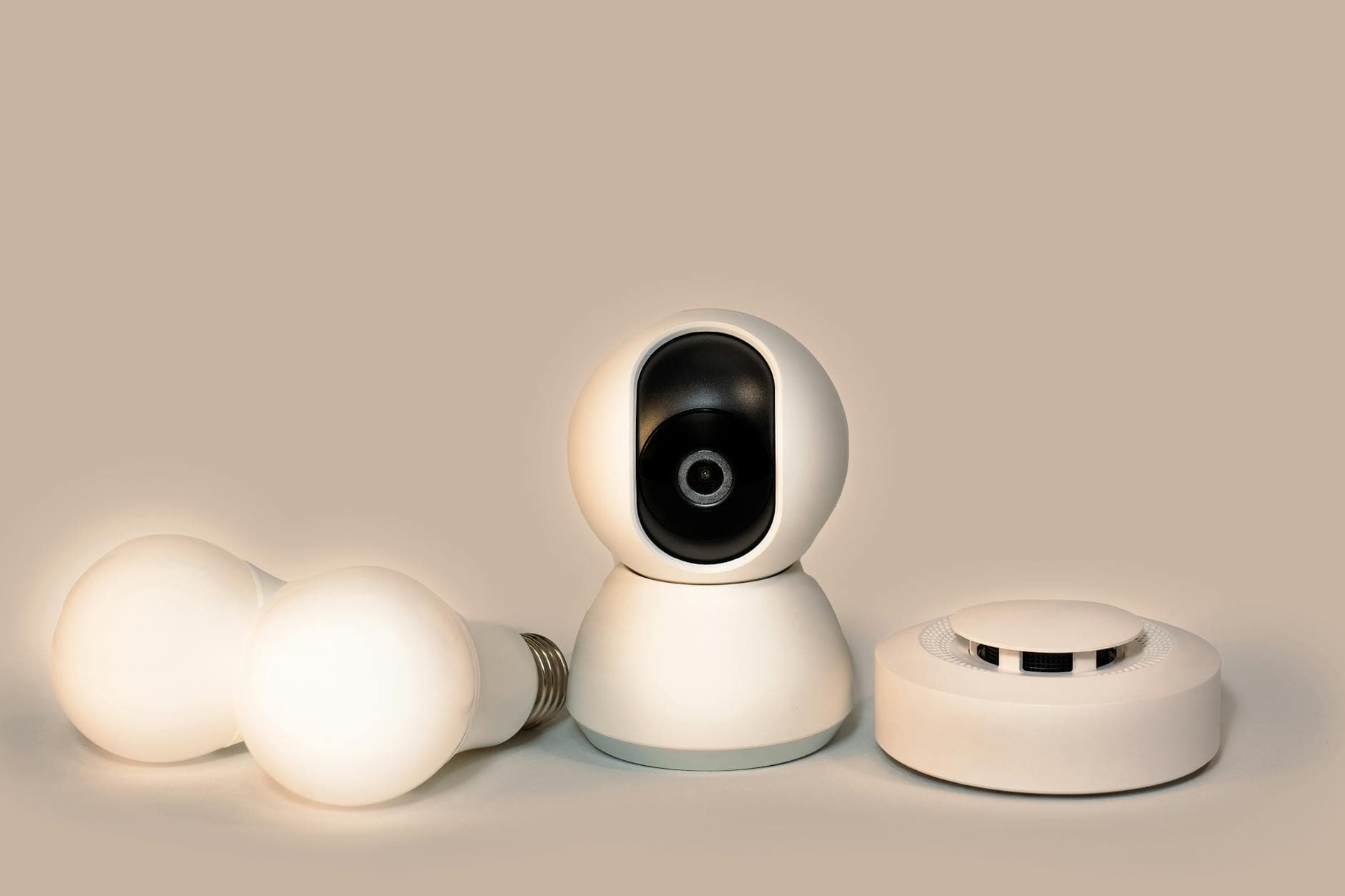
Smoke detectors are your first line of defense against house fires, but they're only effective if they're working properly. Regular battery maintenance is essential for ensuring your detectors function when you need them most.
Why This Matters
Working smoke detectors:
- Save lives by providing early warning of fires
- Reduce property damage by alerting you to fires quickly
- Meet legal requirements in most jurisdictions
- Provide peace of mind knowing your family is protected
- Prevent false alarms from low batteries
Non-functional smoke detectors provide no protection and can give a false sense of security. According to the National Fire Protection Association, three out of five home fire deaths occur in homes without working smoke alarms.
Recommended Battery Replacement Schedule
Standard Schedule
Annual replacement:
- Replace batteries at least once a year
- Many people use daylight saving time as a reminder
- Replace even if detector isn't chirping
- Better to replace early than risk failure
When batteries are low:
- Replace immediately when detector chirps
- Don't ignore low battery warnings
- Keep spare batteries on hand
- Test after replacing battery
10-Year Lithium Batteries
Long-life batteries:
- Some detectors use sealed 10-year lithium batteries
- These don't need annual replacement
- Replace entire detector after 10 years
- Check manufacturer instructions
Advantages:
- No annual battery replacement needed
- More reliable
- Less maintenance
- Still need monthly testing
Testing Your Smoke Detectors
Monthly Testing
How to test:
- Press test button: Hold for a few seconds
- Listen for alarm: Should sound loudly
- Check all detectors: Test every detector in your home
- Test at different times: Ensure family members can hear alarms
If test fails:
- Replace battery and test again
- If still doesn't work, replace detector
- Check expiration date
- Ensure proper installation
Additional Testing
Smoke test (optional):
- Use canned smoke or smoke from extinguished match
- Hold near detector (not directly on it)
- Alarm should sound
- Test safely and responsibly
Important: Only test with small amounts of smoke in a controlled manner. Never create a fire hazard during testing.
Types of Smoke Detectors
Battery-Powered Detectors
Standard battery detectors:
- Use 9-volt batteries (most common)
- Require annual battery replacement
- Need monthly testing
- Should be replaced every 10 years
Maintenance:
- Replace batteries annually
- Test monthly
- Clean regularly
- Replace after 10 years
Hardwired Detectors
Hardwired with battery backup:
- Connected to home's electrical system
- Have battery backup for power outages
- Still need battery replacement
- More reliable than battery-only
Maintenance:
- Replace backup batteries annually
- Test monthly
- Ensure electrical connection works
- Replace after 10 years
10-Year Sealed Battery Detectors
Long-life detectors:
- Sealed lithium battery lasts 10 years
- No annual battery replacement
- Replace entire detector after 10 years
- More expensive but less maintenance
Maintenance:
- Test monthly
- Replace after 10 years
- No battery replacement needed
- Check expiration date
Installation and Placement
Where to Install
Required locations:
- Inside each bedroom
- Outside each sleeping area
- On every level of the home
- In hallways
- Near kitchens (but not too close to avoid false alarms)
Best practices:
- Install on ceiling (preferred) or high on wall
- Keep at least 10 feet from cooking appliances
- Avoid dead air spaces (corners, peaks)
- Follow manufacturer instructions
Proper Installation
Installation tips:
- Follow manufacturer instructions
- Ensure proper mounting
- Test after installation
- Check that alarm is audible throughout home
- Consider interconnected detectors
Common Issues and Solutions
Chirping Detectors
Causes:
- Low battery (most common)
- Detector malfunction
- End of detector lifespan
- Loose battery connection
- Environmental factors (humidity, temperature)
Solutions:
- Replace battery first
- Clean battery contacts
- Check for loose connections
- If chirping continues, replace detector
- Check expiration date
False Alarms
Common causes:
- Steam from showers or cooking
- Dust or insects
- High humidity
- Detector too close to kitchen
- Malfunctioning detector
Solutions:
- Move detector away from steam sources
- Clean detector regularly
- Check placement
- Replace if malfunctioning
- Consider photoelectric detectors (less sensitive to cooking)
Detectors That Don't Work
Troubleshooting:
- Replace battery
- Test again
- Check expiration date
- Ensure proper installation
- Replace if still not working
Maintenance Best Practices
Regular Maintenance Schedule
Monthly:
- Test all detectors
- Check for obvious problems
- Listen for chirping
Annually:
- Replace batteries (if applicable)
- Clean detectors
- Thorough inspection
- Check expiration dates
Every 10 years:
- Replace all detectors
- Update to current technology
- Ensure compliance with codes
- Consider new features (interconnection, etc.)
Cleaning Detectors
How to clean:
- Vacuum detector regularly
- Remove dust and debris
- Clean with soft brush
- Avoid harsh chemicals
- Follow manufacturer instructions
Why it matters:
- Dust can interfere with sensors
- Debris can cause false alarms
- Clean detectors work more reliably
- Extends detector life
When to Replace Detectors
Age-Based Replacement
10-year rule:
- Replace detectors every 10 years
- Check manufacturer date on detector
- Mark replacement date when installing
- Don't wait for failure
Why replace:
- Sensors degrade over time
- Technology improves
- Newer detectors more reliable
- May not meet current codes
Condition-Based Replacement
Replace if:
- Detector doesn't work after battery replacement
- Frequent false alarms
- Physical damage
- Expiration date passed
- Doesn't meet current safety standards
Safety Considerations
Fire Safety Plan
In addition to working detectors:
- Develop and practice escape plan
- Know two ways out of every room
- Have meeting place outside
- Practice with family
- Review plan regularly
Additional Safety Measures
Consider:
- Carbon monoxide detectors
- Fire extinguishers
- Escape ladders for upper floors
- Regular fire safety education
- Professional fire safety inspection
Cost Considerations
Battery costs:
- 9-volt batteries: $3-$5 each
- Annual replacement: $10-$30 (depending on number of detectors)
- 10-year lithium detectors: $20-$40 each
Detector costs:
- Basic battery detector: $10-$30
- Hardwired detector: $30-$60
- 10-year sealed battery: $20-$40
- Interconnected system: $100-$300+
Replacement costs:
- Replacing all detectors (10-year cycle): $100-$300
- Professional installation: $100-$200
Money-saving tips:
- Buy batteries in bulk
- Replace on schedule (prevents emergency purchases)
- Consider 10-year detectors (less maintenance)
- Do installation yourself (if comfortable)
Maintenance Schedule
Monthly:
- Test all detectors
- Check for chirping
- Listen for alarms
Annually:
- Replace batteries (if applicable)
- Clean detectors
- Thorough inspection
- Check expiration dates
Every 10 years:
- Replace all detectors
- Update technology
- Ensure code compliance
As needed:
- Replace batteries when low
- Replace detectors if malfunctioning
- Address false alarms
- After any issues
Conclusion
Regular battery replacement and testing of smoke detectors is essential for your family's safety. Replace batteries at least annually, test monthly, and replace detectors every 10 years. Don't wait for the chirp—proactive maintenance ensures your detectors work when you need them most.
For more home safety guidance, explore our articles on choosing the right smoke alarm and learn about preventing household fires to protect your entire home.
Frequently Asked Questions
How often should I replace smoke detector batteries?
Replace batteries at least once a year, or when the detector chirps (low battery warning). Many people replace batteries when they change clocks for daylight saving time as an easy reminder. Some detectors use 10-year lithium batteries that don't need annual replacement.
What does it mean when my smoke detector chirps?
A chirping smoke detector usually means the battery is low and needs replacement. However, it could also indicate the detector is malfunctioning or has reached the end of its lifespan (typically 10 years). Replace the battery first; if chirping continues, replace the detector.
Can I use rechargeable batteries in smoke detectors?
It's not recommended. Use standard alkaline batteries or the specific battery type recommended by the manufacturer. Rechargeable batteries may not provide consistent power and could fail when needed most. Some detectors use 10-year sealed lithium batteries.
How do I know if my smoke detector is working?
Test your smoke detectors monthly by pressing the test button. The alarm should sound loudly. If it doesn't, replace the battery and test again. If it still doesn't work, replace the detector. Also check the expiration date—most detectors should be replaced every 10 years.