
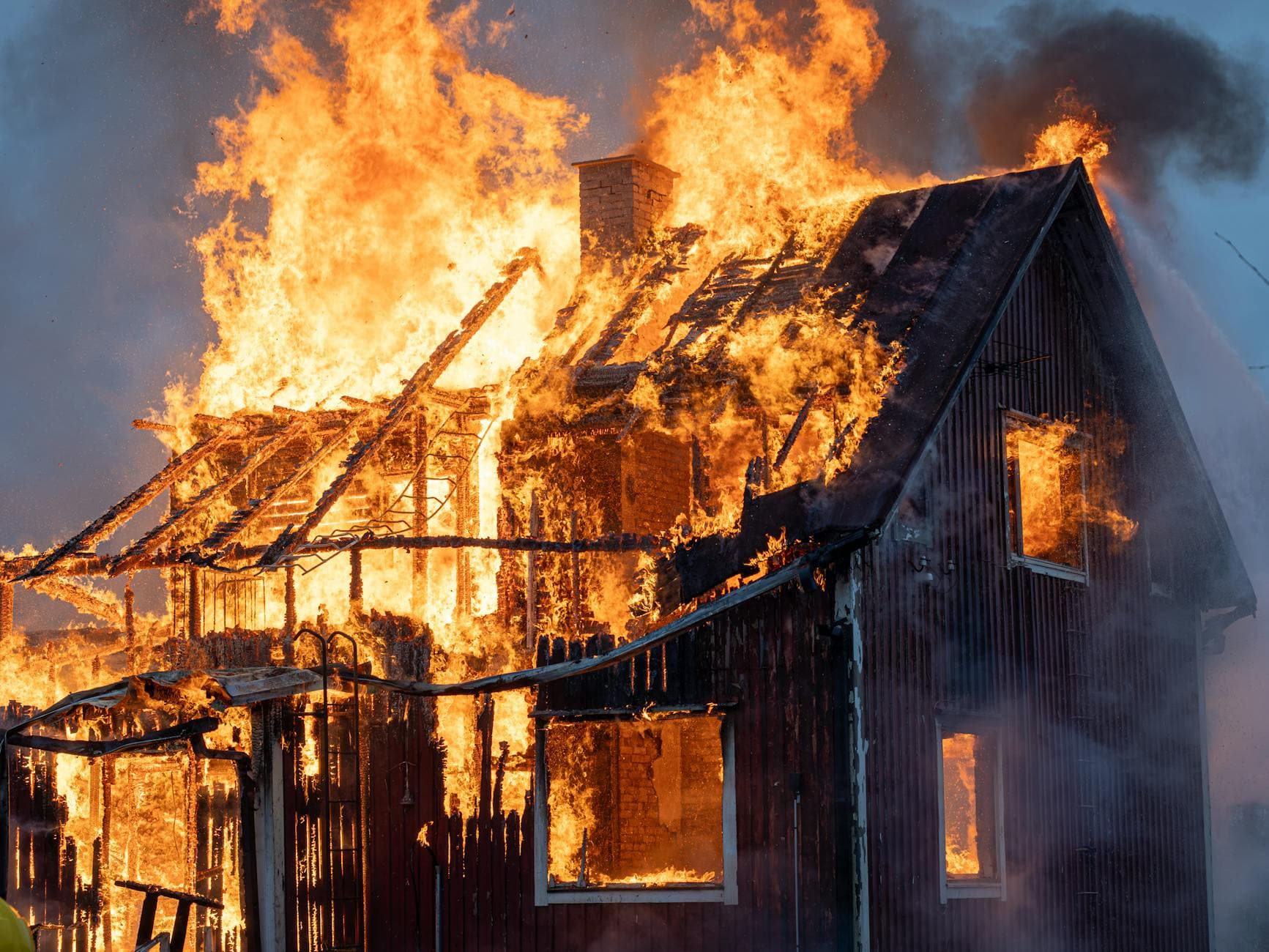
Household fires cause thousands of deaths and billions in property damage annually, but most are preventable. Understanding common fire hazards and implementing prevention strategies can protect your home and family from this devastating threat.
Why This Matters
Fire prevention:
- Saves lives by preventing fires before they start
- Protects your property from devastating damage
- Reduces insurance costs with proper safety measures
- Provides peace of mind knowing you're prepared
- Prevents tragedy that can happen in minutes
Most household fires are preventable with proper precautions, maintenance, and safe practices. Taking time to implement fire prevention measures can save lives and property.
Common Fire Causes and Prevention
Cooking Fires (Leading Cause)
Prevention strategies:
- Never leave cooking unattended: Stay in kitchen when cooking
- Keep flammable items away: Towels, curtains, paper away from stove
- Clean grease buildup: Regular cleaning prevents grease fires
- Turn pot handles inward: Prevents spills and burns
- Wear appropriate clothing: Avoid loose sleeves near flames
- Keep lid nearby: Can smother small grease fires
- Have fire extinguisher: Keep in kitchen, know how to use
Safe cooking practices:
- Don't cook when tired or distracted
- Keep children away from cooking area
- Use timers to remind you
- Check food regularly
- Clean spills immediately
Heating Equipment
Furnace and heating system:
- Have system serviced annually
- Keep area around furnace clear
- Replace filters regularly
- Check for proper ventilation
- Address any concerns immediately
Space heaters:
- Keep 3 feet from anything flammable
- Never leave unattended
- Plug directly into outlet (not extension cord)
- Turn off when leaving room
- Use only approved heaters
Fireplaces:
- Have chimney cleaned annually
- Use proper screens
- Never leave fire unattended
- Dispose of ashes properly
- Keep flammable items away
Electrical Fires
Prevention:
- Don't overload circuits
- Replace damaged cords immediately
- Use proper extension cords
- Don't run cords under rugs
- Use surge protectors
- Address flickering lights
- Have electrical system inspected
Warning signs:
- Flickering lights
- Burning smell
- Warm outlets
- Frequent breaker trips
- Sparks from outlets
- Discolored outlets
Safe practices:
- Don't use damaged appliances
- Unplug appliances when not in use
- Don't overload outlets
- Use proper wattage bulbs
- Address electrical issues promptly
Smoking Materials
Prevention:
- Smoke outside when possible
- Use deep, sturdy ashtrays
- Never smoke in bed
- Ensure cigarettes are fully extinguished
- Keep lighters and matches away from children
- Consider quitting (best prevention)
Safe disposal:
- Soak cigarette butts before disposal
- Never throw butts in trash cans
- Use metal containers for disposal
- Check furniture and bedding for dropped materials
Candles
Prevention:
- Never leave candles unattended
- Keep away from flammable items
- Use sturdy, non-tip holders
- Keep out of reach of children and pets
- Extinguish before leaving room
- Consider flameless alternatives
Safe practices:
- Place on stable surface
- Keep 12 inches from anything flammable
- Trim wicks to 1/4 inch
- Don't burn near drafts
- Extinguish if smoking or flickering
Fire Safety Equipment
Smoke Detectors
Installation:
- Every level of home
- Inside each bedroom
- Outside sleeping areas
- In hallways
- Near kitchen (but not too close)
Maintenance:
- Test monthly
- Replace batteries annually
- Replace detectors every 10 years
- Clean regularly
- Ensure they're working
Fire Extinguishers
Placement:
- Kitchen (within reach)
- Garage
- Near fireplace
- On each level
- Easily accessible
Types:
- Class A: Ordinary combustibles
- Class B: Flammable liquids
- Class C: Electrical
- Class K: Kitchen fires
- ABC: Multi-purpose (recommended)
Maintenance:
- Check pressure monthly
- Know how to use
- Replace when expired
- Recharge after use
- Ensure easy access
Fire Escape Plan
Planning:
- Draw floor plan
- Identify two exits from every room
- Designate meeting place outside
- Practice with family
- Review regularly
Preparation:
- Ensure windows open easily
- Consider escape ladders for upper floors
- Keep exits clear
- Teach children the plan
- Practice at different times
Room-Specific Prevention
Kitchen
Safety measures:
- Never leave cooking unattended
- Keep fire extinguisher nearby
- Clean grease regularly
- Keep flammable items away
- Turn handles inward
- Use timers
Bedroom
Safety measures:
- Don't smoke in bed
- Use proper light bulbs
- Don't overload outlets
- Keep space heaters away from bedding
- Ensure smoke detectors working
Living Room
Safety measures:
- Don't overload electrical outlets
- Keep space heaters safe
- Maintain fireplace properly
- Extinguish candles
- Don't leave electronics unattended
Garage
Safety measures:
- Store flammable materials properly
- Keep area clean
- Maintain vehicles properly
- Don't store gasoline inside
- Ensure proper ventilation
Maintenance and Inspection
Regular Inspections
Monthly:
- Test smoke detectors
- Check fire extinguishers
- Inspect for hazards
- Review escape plan
Annually:
- Professional heating system service
- Chimney cleaning (if applicable)
- Electrical system inspection
- Comprehensive safety check
- Update safety equipment
Addressing Hazards
Immediate action:
- Fix electrical problems
- Clean grease buildup
- Replace damaged cords
- Address heating concerns
- Remove fire hazards
Ongoing maintenance:
- Keep areas clean
- Maintain equipment
- Update safety measures
- Review and practice plans
When to Call Professionals
Contact professionals for:
- Electrical concerns
- Heating system issues
- Chimney cleaning
- Gas leaks
- Major safety hazards
- Professional safety inspection
Professional services:
- Electrical inspection
- Heating system service
- Chimney cleaning
- Safety assessment
- Fire safety consultation
Cost Considerations
Prevention costs:
- Smoke detectors: $20-$40 each
- Fire extinguishers: $20-$50 each
- Safety equipment: $100-$300
- Annual maintenance: $100-$300
Cost of fires:
- Property damage: $10,000-$100,000+
- Injuries: Medical costs, lost wages
- Lives: Priceless
- Insurance: Premiums, deductibles
Money-saving tips:
- Prevent fires (cheapest option)
- Maintain equipment regularly
- Address issues promptly
- Practice safe habits
- Regular inspections catch problems early
Emergency Preparedness
If Fire Starts
Response steps:
- Alert everyone in home
- Call 911 immediately
- Evacuate if safe to do so
- Use fire extinguisher only if safe
- Meet at designated location
- Never go back inside
Important:
- Your safety comes first
- Don't risk your life for property
- Evacuate if in doubt
- Close doors behind you
- Stay low if smoke present
After Fire
If fire occurs:
- Don't re-enter until cleared
- Contact insurance company
- Document damage
- Secure property
- Follow fire department instructions
Maintenance Schedule
Monthly:
- Test smoke detectors
- Check fire extinguishers
- Inspect for hazards
- Review escape plan
Annually:
- Professional inspections
- Comprehensive safety check
- Update safety equipment
- Review and update plans
As needed:
- Address hazards immediately
- After incidents
- When moving in
- When concerns arise
Conclusion
Preventing household fires requires awareness, preparation, and ongoing maintenance. By understanding common fire causes, implementing prevention strategies, maintaining safety equipment, and practicing safe habits, you can significantly reduce fire risk and protect your home and family. Start with essential safety equipment and regular maintenance, then build comprehensive fire prevention practices.
For more safety guidance, explore our articles on smoke detector maintenance and learn about home safety for new homeowners to create a comprehensive safety plan.
Frequently Asked Questions
What are the most common causes of household fires?
Common causes include: cooking (leading cause), heating equipment, electrical problems, smoking materials, candles, and appliances. Most household fires are preventable with proper precautions, maintenance, and safe practices.
How can I prevent kitchen fires?
Prevent kitchen fires by: never leaving cooking unattended, keeping flammable items away from stove, cleaning grease buildup regularly, keeping pot handles turned inward, wearing appropriate clothing while cooking, and having a fire extinguisher nearby. Most kitchen fires start from unattended cooking.
What should I do if a small fire starts?
For small fires: alert everyone in home, call 911, use fire extinguisher if safe to do so, never use water on grease fires, evacuate if fire spreads, and meet at designated location outside. Never risk your safety to fight a fire—evacuate if in doubt.
How often should I check my electrical system?
Inspect your electrical system annually for: overloaded circuits, damaged cords, faulty outlets, flickering lights, and burning smells. Address any concerns immediately. Have a professional electrical inspection every 10 years or when buying a home.