
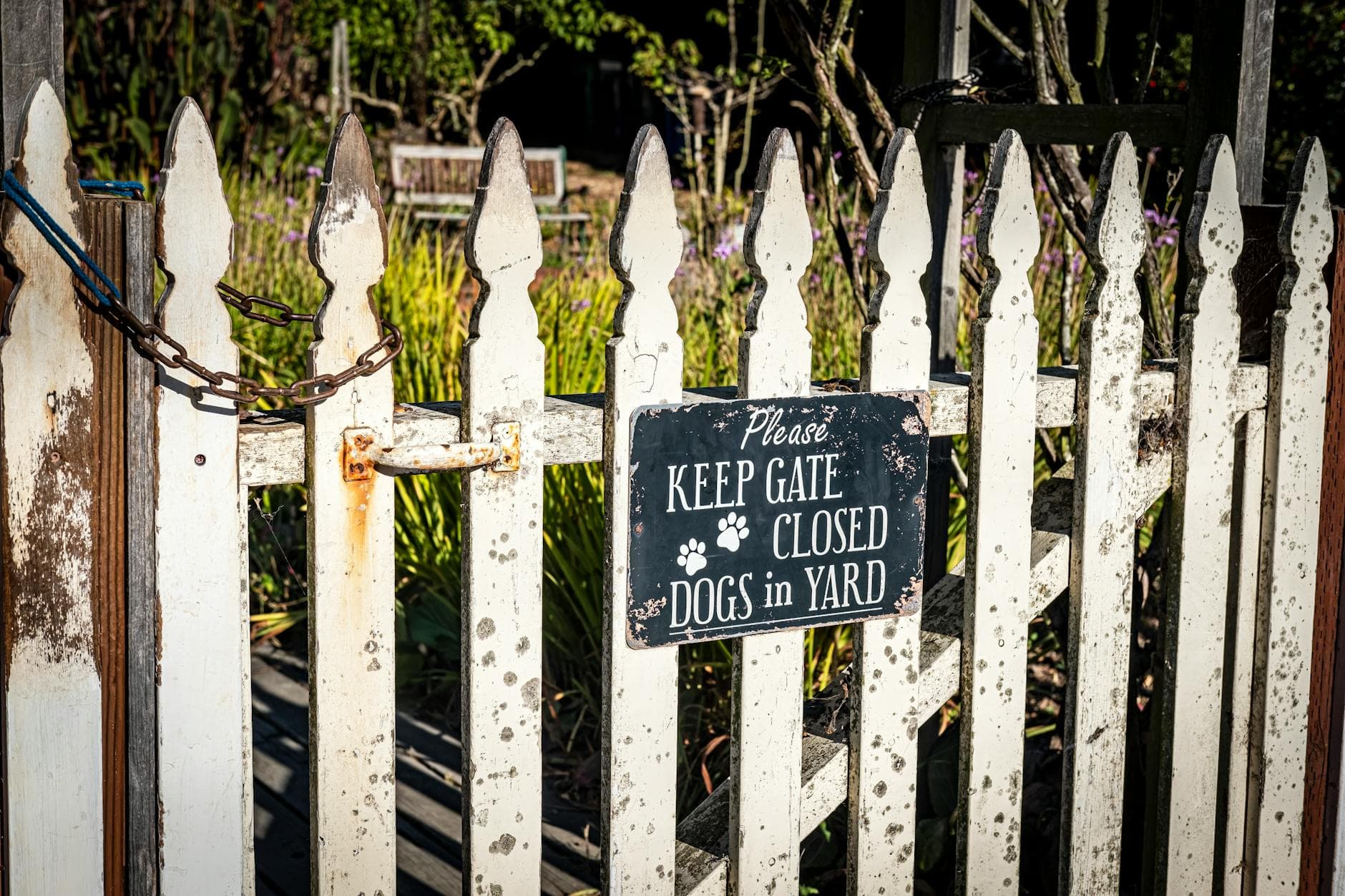
Fences and gates serve important functions—privacy, security, and property definition—but they're exposed to harsh weather and need regular maintenance to stay functional and attractive. Proper maintenance can extend their life by years and save thousands in replacement costs.
Why This Matters
Well-maintained fences and gates:
- Extend lifespan significantly (20-30+ years vs. 10-15 years)
- Maintain property value and curb appeal
- Provide security and privacy as intended
- Prevent costly repairs by catching issues early
- Protect your investment in the fence
Neglecting fence maintenance can lead to rot, structural failure, security issues, and the need for expensive repairs or complete replacement—costs that can easily reach $3,000-$15,000 or more.
Regular Inspection
What to Look For
Structural issues:
- Loose or leaning posts
- Sagging gates
- Loose or missing boards
- Cracked or split wood
- Rusted hardware
- Damaged or missing hardware
Condition issues:
- Rot or decay
- Paint or stain failure
- Warping or twisting
- Loose nails or screws
- Vegetation growth
- Pest damage
Functional issues:
- Gates that don't close properly
- Loose latches or hinges
- Sticking gates
- Misaligned sections
Inspection Schedule
Monthly:
- Quick visual check
- Test gate operation
- Look for obvious problems
Quarterly:
- Thorough inspection
- Check all hardware
- Test all gates
- Look for structural issues
Annually:
- Comprehensive inspection
- Deep cleaning
- Maintenance painting/staining
- Address all issues found
Cleaning
Annual Cleaning
When to clean:
- Spring (after winter weather)
- When you notice dirt, mold, or stains
- Before painting or staining
Cleaning steps:
- Remove debris: Clear away leaves, dirt, and vegetation
- Pre-treat stains: Apply cleaner to heavy stains or mold
- Scrub: Use stiff-bristle brush with mild detergent
- Rinse: Thoroughly rinse with garden hose
- Let dry: Allow to dry completely before treating
Removing Stains and Mold
Mold and mildew:
- Mix 1 part bleach with 3 parts water
- Apply and let sit for 10 minutes
- Scrub with brush
- Rinse thoroughly
- Improve air circulation to prevent recurrence
Dirt and grime:
- Use mild detergent and water
- Scrub with stiff-bristle brush
- Rinse thoroughly
- Repeat if needed
Pressure washing (wood fences):
- Use low pressure (under 1,500 PSI)
- Keep nozzle moving
- Maintain proper distance (12+ inches)
- Work with the grain
- Test on small area first
Painting and Staining
When to Paint or Stain
Signs you need to refresh:
- Paint or stain is fading
- Paint is peeling or chipping
- Wood is exposed
- Finish is more than 2-3 years old
- You see water absorption
Frequency:
- Wood fences: Every 2-3 years
- Depends on climate and exposure
- May need more frequent in harsh climates
- Less frequent in mild climates
Preparation
Before painting/staining:
- Clean thoroughly: Remove all dirt and debris
- Repair damage: Fix any structural issues
- Sand if needed: Smooth rough areas
- Ensure dry: Fence must be completely dry
- Check weather: Work in moderate temperatures
Application
Steps:
- Prime if needed: Check with paint manufacturer
- Apply evenly: Use brush, roller, or sprayer
- Work in sections: Don't let paint dry before smoothing
- Maintain wet edge: Avoid overlaps
- Allow to cure: Follow manufacturer instructions
Common Repairs
Post Issues
Loose posts:
- Tighten hardware
- Add support if needed
- Replace if severely damaged
- Ensure proper installation
Leaning posts:
- May need to be reset
- Add support or bracing
- Address underlying issues (soil, drainage)
- Consider professional help for major issues
Rotted posts:
- Replace promptly
- Use pressure-treated wood
- Ensure proper installation
- Address moisture issues
Board and Panel Repairs
Loose boards:
- Tighten or replace fasteners
- Replace damaged boards
- Ensure proper installation
- Match existing materials
Damaged boards:
- Replace promptly
- Match color and style
- Ensure proper installation
- Maintain finish
Warped boards:
- Replace if severe
- May be able to straighten if minor
- Address moisture issues
- Ensure proper ventilation
Gate Repairs
Sagging gates:
- Tighten or replace hinges
- Add diagonal brace if needed
- Ensure posts are stable
- Add wheel support for heavy gates
- Adjust for proper alignment
Gates that don't close:
- Adjust hinges
- Check alignment
- Repair or replace latch
- Ensure posts are stable
- May need to rebuild gate
Sticking gates:
- Check for warping
- Adjust hinges
- Clear obstructions
- Ensure proper clearance
- Lubricate hardware
Hardware Maintenance
Hinges
Maintenance:
- Tighten screws regularly
- Lubricate moving parts
- Replace if damaged
- Use appropriate size and type
- Ensure proper installation
When to replace:
- Hinges are damaged or broken
- Screws won't hold
- Gate sags despite adjustments
- Hardware is rusted beyond repair
Latches and Locks
Maintenance:
- Lubricate regularly
- Tighten screws
- Clean and maintain
- Test operation
- Replace if damaged
Security considerations:
- Ensure latches work properly
- Maintain locks
- Replace damaged hardware
- Consider security upgrades if needed
Fence-Specific Maintenance
Wood Fences
Maintenance tasks:
- Clean annually
- Paint or stain every 2-3 years
- Repair damage promptly
- Treat for rot prevention
- Maintain hardware
Common issues:
- Rot and decay
- Paint/stain failure
- Warping
- Pest damage
- Hardware failure
Vinyl Fences
Maintenance tasks:
- Clean annually
- Inspect for damage
- Repair or replace damaged sections
- Maintain hardware
Common issues:
- Cracking (especially in cold)
- Fading (minimal)
- Damage from impact
- Hardware issues
Metal Fences
Maintenance tasks:
- Clean annually
- Treat rust promptly
- Maintain paint/coating
- Lubricate moving parts
- Inspect for damage
Common issues:
- Rust
- Paint failure
- Damage from impact
- Hardware issues
Preventative Measures
Protect from Damage
Vegetation control:
- Keep plants trimmed away from fence
- Remove vines (they trap moisture)
- Don't let plants grow on fence
- Clear debris regularly
Moisture control:
- Ensure proper drainage
- Keep fence clean and dry
- Address moisture issues
- Improve ventilation if needed
Impact protection:
- Be careful with lawn equipment
- Protect during construction
- Address damage immediately
- Consider barriers if needed
When to Call a Professional
Contact a professional for:
- Extensive damage or repairs
- Structural concerns
- Complete fence replacement
- Complex gate repairs
- When you're unsure about the work
- Large-scale projects
Professional services:
- Fence installation
- Major repairs
- Gate installation
- Structural assessment
- Complete replacement
Cost Considerations
Maintenance costs:
- Annual cleaning: $100-$300 (or DIY)
- Paint/stain refresh: $500-$2,000
- Minor repairs: $200-$800
- Hardware replacement: $50-$200
Repair costs (if maintenance is neglected):
- Moderate repairs: $1,000-$3,000
- Extensive repairs: $3,000-$8,000
- Complete replacement: $5,000-$15,000+
Money-saving tips:
- Do annual cleaning yourself
- Address small issues immediately
- Maintain paint/stain regularly
- Regular inspections catch problems early
- Use appropriate materials
Maintenance Schedule
Monthly:
- Visual inspection
- Test gate operation
- Check for obvious problems
Quarterly:
- Thorough inspection
- Check all hardware
- Address any issues
Annually:
- Deep cleaning
- Maintenance painting/staining
- Comprehensive inspection
- Address all issues found
Every 2-3 years:
- Complete paint/stain refresh
- Major maintenance
- Professional inspection (if needed)
Conclusion
Regular maintenance of fences and gates protects your investment and keeps them functional and attractive. By cleaning annually, inspecting regularly, maintaining finishes, and addressing issues promptly, you can extend your fence's life by years and avoid costly repairs or replacement. Start with a thorough spring inspection and cleaning, then maintain a regular schedule.
For more exterior maintenance guidance, explore our articles on preventing wood rot and learn how to maintain other exterior elements to keep your entire property well-maintained.
Frequently Asked Questions
How often should I maintain my fence?
Inspect your fence quarterly and perform maintenance annually. Clean fences at least once a year, and repaint or restain every 2-3 years for wood fences. Vinyl and metal fences require less frequent maintenance but should still be inspected regularly.
What's the best way to clean a wood fence?
Use a garden hose with a spray nozzle and mild detergent. Scrub with a stiff-bristle brush, working from top to bottom. Rinse thoroughly. For heavy staining or mold, you may need a pressure washer (use low pressure and keep nozzle moving to avoid damage).
When should I replace my fence instead of repairing it?
Replace your fence if more than 25% of it is damaged, if posts are rotted or unstable, if repairs are frequent and costly, or if the fence is near the end of its expected lifespan. If the cost of repairs approaches 50% of replacement cost, replacement is usually more cost-effective.
How do I fix a sagging gate?
Sagging gates are usually caused by loose or damaged hinges, warped wood, or inadequate support. Tighten or replace hinges, add a diagonal brace if needed, ensure posts are stable, and adjust the gate for proper alignment. For heavy gates, consider adding a wheel or additional support.