
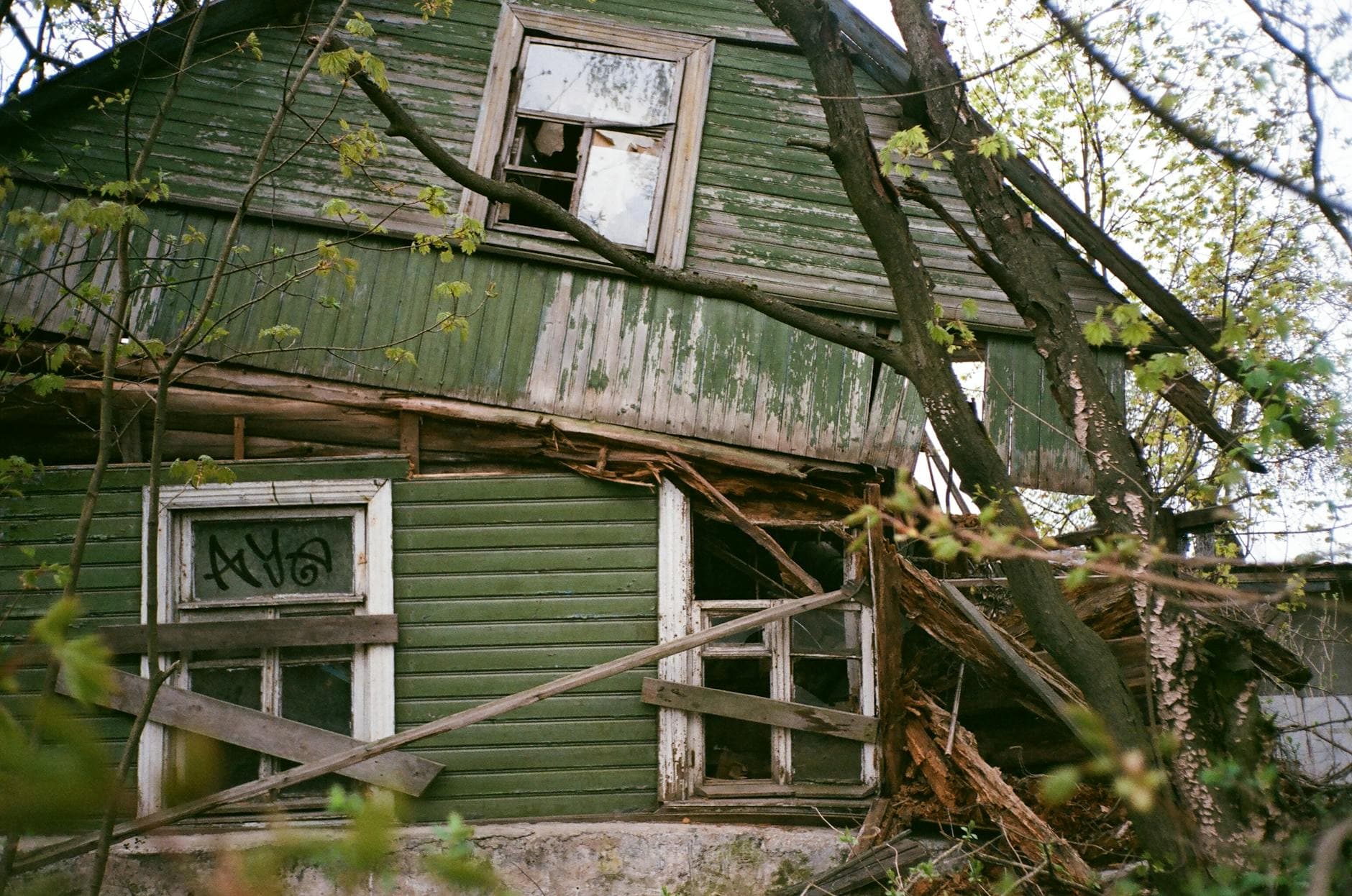
Wood rot is a serious problem that can cause extensive structural damage and cost thousands to repair. Understanding how to prevent wood rot is essential for protecting your home's structural integrity and avoiding costly replacements.
Why This Matters
Preventing wood rot:
- Protects your home's structure from serious damage
- Saves thousands of dollars in repair and replacement costs
- Maintains property value with a well-maintained structure
- Prevents safety hazards from weakened structural elements
- Extends the life of wood components significantly
Untreated wood rot can spread quickly, compromise structural integrity, and require expensive repairs or replacement—costs that can easily exceed $5,000-$20,000 or more.
For most homeowners, the practical goal is simple: find the moisture source before replacing the wood. If the same corner, trim board, or deck area keeps rotting, the real problem is usually drainage, flashing, gutters, caulk failure, or trapped moisture.
Understanding Wood Rot
What Causes Wood Rot
Three essential conditions:
- Moisture: Wood moisture content above 20%
- Oxygen: Present in air
- Temperature: Between 40-90°F
The key: Eliminate moisture, and rot cannot occur. This is why moisture control is the primary prevention strategy.
Homeowner Example: Fascia Rot Near Gutters
If fascia feels soft near a gutter seam, do not just replace the board. Clean the gutter, check the slope, inspect the drip edge, and confirm water is not running behind the gutter. Replacing wood without fixing water flow usually means the rot returns.
Types of Wood Rot
Brown rot:
- Wood becomes brown and crumbly
- Cubical cracking pattern
- Can spread quickly
- Common in structural wood
White rot:
- Wood becomes lighter in color
- Stringy or fibrous texture
- Spreads more slowly
- Less common than brown rot
Soft rot:
- Surface-level damage
- Less common
- Usually affects wood in contact with soil
Signs of Wood Rot
Visual Signs
What to look for:
- Discoloration (darkening or bleaching)
- Cracking or splitting
- Visible fungal growth
- Musty or earthy odor
- Paint or stain failure
- Wood that looks "punky" or deteriorated
Physical Signs
Testing for rot:
- Softness: Wood feels soft or spongy when pressed
- Penetration: Screwdriver or awl penetrates easily
- Crumbling: Wood crumbles or breaks easily
- Shrinkage: Wood appears shrunken or warped
Where to check:
- Areas exposed to moisture
- Around windows and doors
- Under eaves and overhangs
- Near ground level
- In crawl spaces and basements
- Around plumbing penetrations
Use photos to track changes over time. A small soft area that grows between seasonal checks needs faster attention than a stable cosmetic crack.
Prevention Strategies
Moisture Control
Keep wood dry:
- Ensure proper drainage around foundation
- Keep gutters clean and functioning
- Direct downspouts away from wood
- Grade soil away from house
- Fix leaks immediately
- Ensure proper ventilation
Address moisture sources:
- Fix leaky roofs, gutters, and plumbing
- Repair damaged flashing
- Seal gaps and penetrations
- Improve ventilation in attics and crawl spaces
- Use dehumidifiers in damp areas
Use the seasonal maintenance checklist to pair wood checks with gutter cleaning, roof inspection, and drainage review. Those connected tasks are what keep wood dry.
Proper Installation and Design
Construction practices:
- Use pressure-treated wood in vulnerable areas
- Maintain proper clearance from ground (6+ inches)
- Ensure proper flashing and sealing
- Design for proper drainage
- Use rot-resistant wood species when possible
Maintenance practices:
- Keep wood painted or stained
- Maintain proper caulking
- Replace damaged wood promptly
- Ensure proper ventilation
Regular Maintenance
Inspection schedule:
- Monthly: Visual check for obvious problems
- Annually: Thorough inspection of all wood surfaces
- After storms: Check for new damage
- When you notice problems: Address immediately
Maintenance tasks:
- Keep wood painted or stained
- Maintain caulking around windows and doors
- Clean and maintain gutters
- Trim vegetation away from wood
- Address any damage promptly
Protecting Specific Areas
Exterior Wood
Siding:
- Maintain paint or stain
- Keep clean and dry
- Ensure proper installation
- Address damage immediately
- Improve drainage if needed
Trim and fascia:
- Maintain paint or stain
- Check regularly for damage
- Ensure proper flashing
- Keep gutters functioning
- Address any issues promptly
Decks and porches:
- Use pressure-treated or rot-resistant wood
- Maintain proper clearance from ground
- Keep clean and dry
- Maintain finish (stain or paint)
- Ensure proper drainage
If deck boards, rail posts, or the ledger are already soft, compare repair scope with the deck replacement cost guide. Surface boards are one kind of project; structural rot is a different budget and safety decision.
Structural Wood
Foundation sills:
- Ensure proper clearance from ground
- Maintain proper drainage
- Keep area ventilated
- Address moisture issues immediately
- Inspect regularly
Floor joists:
- Ensure proper ventilation
- Address moisture issues
- Inspect crawl spaces regularly
- Fix leaks promptly
- Consider professional inspection if concerned
Roof framing:
- Ensure proper ventilation
- Fix roof leaks immediately
- Inspect attics regularly
- Address condensation issues
- Maintain proper insulation
Treatment and Repair
Treating Small Areas
If you find early rot:
- Identify moisture source: Fix the underlying problem first
- Remove rotted wood: Cut out all affected wood
- Treat surrounding wood: Apply wood preservative
- Replace with treated wood: Use pressure-treated or rot-resistant wood
- Seal properly: Ensure proper sealing and finishing
Important: Always address the moisture source first. Treating rot without fixing the moisture problem will only lead to recurrence.
When to Replace
Replace wood if:
- Rot affects more than 10-15% of the wood
- Structural integrity is compromised
- Rot is in critical structural elements
- Treatment isn't practical or effective
- Wood is extensively damaged
Replacement considerations:
- Use appropriate wood (pressure-treated, rot-resistant)
- Ensure proper installation
- Address moisture source
- Maintain proper finishing
- Consider professional help for structural elements
When the rotted area is structural or connected to recurring water intrusion, add it to your home planning list instead of treating it as a quick patch. That gives you room to gather quotes, fix the moisture path, and avoid repeat work.
Choosing Rot-Resistant Materials
Wood Species
Naturally rot-resistant:
- Cedar
- Redwood
- Cypress
- Teak
- Black locust
For vulnerable areas:
- Use pressure-treated wood
- Consider composite materials
- Use rot-resistant species
- Ensure proper installation
Pressure-Treated Wood
When to use:
- Ground contact
- High-moisture areas
- Structural elements
- Areas prone to rot
Maintenance:
- Still requires maintenance
- May need periodic treatment
- Maintain finish
- Inspect regularly
When to Call a Professional
Contact a professional if:
- Rot affects structural elements
- Extensive damage exists
- You're unsure about structural integrity
- Moisture issues are complex
- Repairs are beyond your skill level
- You need professional assessment
Professional services:
- Structural assessment
- Rot treatment and repair
- Structural repairs
- Moisture control solutions
- Complete replacement
Cost Considerations
Prevention costs:
- Annual maintenance: $200-$500
- Paint/stain refresh: $500-$2,000
- Minor repairs: $300-$1,000
- Moisture control improvements: $500-$3,000
Repair costs (if prevention fails):
- Minor rot repair: $500-$2,000
- Moderate damage: $2,000-$8,000
- Extensive structural damage: $5,000-$20,000+
- Complete replacement: $10,000-$30,000+
Money-saving tips:
- Prevent moisture issues
- Maintain paint/stain regularly
- Address small problems immediately
- Use appropriate materials
- Regular inspections catch problems early
Maintenance Schedule
Monthly:
- Visual inspection
- Check for obvious problems
- Address issues immediately
Annually:
- Thorough inspection
- Maintenance painting/staining
- Address any issues found
- Professional inspection (if needed)
Every 3-5 years:
- Complete paint/stain refresh
- Comprehensive maintenance
- Professional assessment (if needed)
As needed:
- After severe weather
- When problems are noticed
- After renovations
- When moving into new home
Conclusion
Preventing wood rot is primarily about controlling moisture. By keeping wood dry, maintaining proper finishes, and addressing issues promptly, you can protect your home's structural integrity and avoid costly repairs. Regular inspections and maintenance are key to catching problems early before they become serious.
For more home protection guidance, explore our articles on maintaining exterior siding and learn how to control basement moisture to protect your entire home from moisture damage.
Frequently Asked Questions
What causes wood rot?
Wood rot is caused by fungi that thrive in moist conditions. The three essential conditions for rot are: moisture (wood moisture content above 20%), oxygen, and temperatures between 40-90°F. Eliminating moisture is the key to preventing rot.
How can I tell if wood is rotting?
Signs of wood rot include: wood that's soft or spongy when pressed, discoloration (darkening or bleaching), cracking or splitting, musty odor, visible fungal growth, and wood that crumbles easily. Use a screwdriver to test—if it penetrates easily, the wood is likely rotting.
Can rotted wood be repaired?
Small areas of rot can sometimes be treated with wood hardeners and fillers, but extensive rot usually requires replacement. If rot affects structural elements or more than 10-15% of the wood, replacement is typically necessary. Always address the moisture source first.
How do I prevent wood rot?
Prevent wood rot by: keeping wood dry (proper drainage, ventilation), using pressure-treated or rot-resistant wood in vulnerable areas, maintaining paint or stain, sealing all joints and penetrations, ensuring proper ventilation, and addressing moisture issues immediately.