
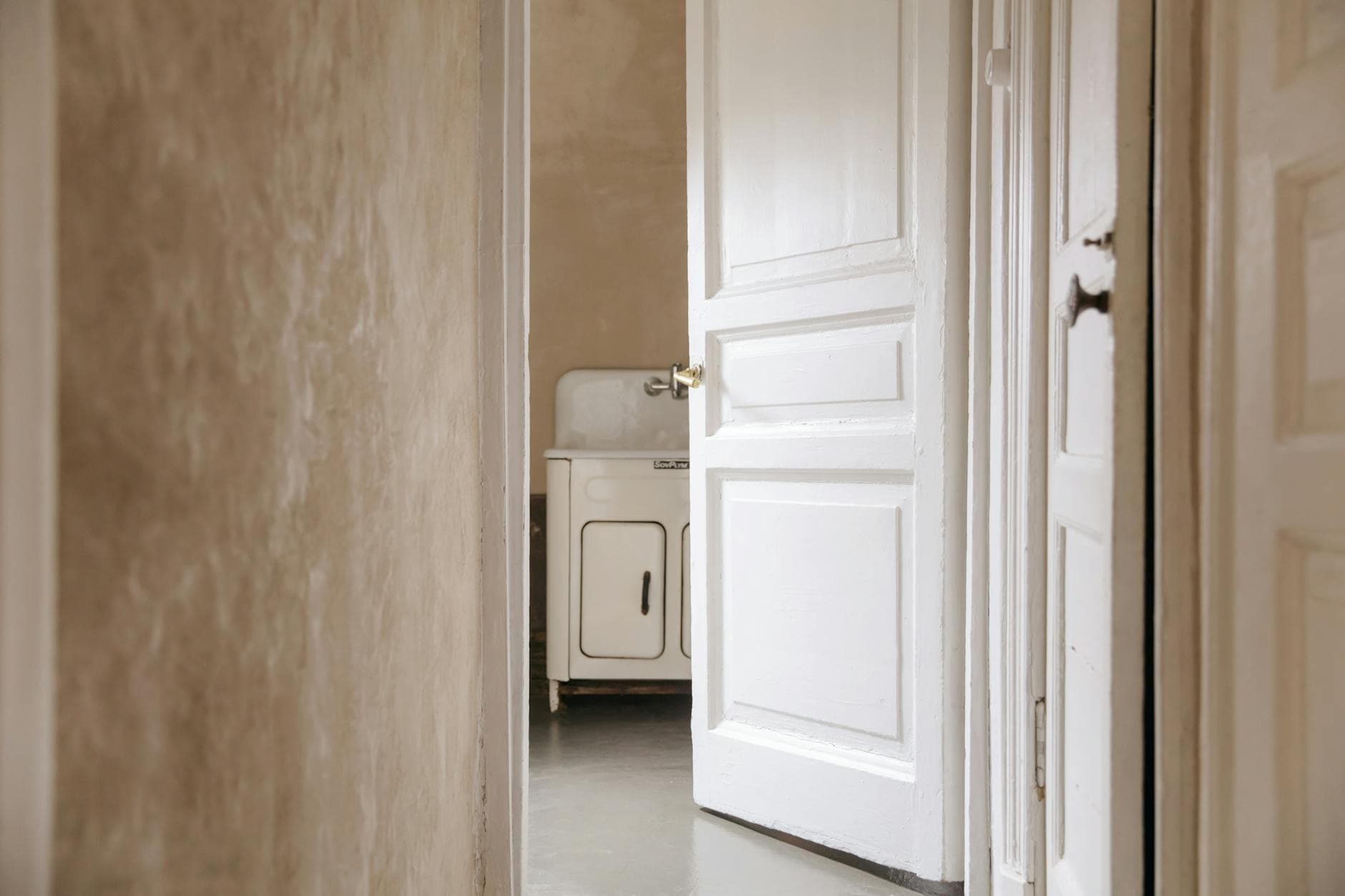
Interior doors are used constantly but often overlooked in maintenance routines. Proper care keeps them operating smoothly, prevents damage, and extends their lifespan—saving you money and frustration.
Why This Matters
Well-maintained interior doors:
- Operate smoothly without sticking or binding
- Look great and maintain home's appearance
- Prevent damage by addressing issues early
- Extend lifespan significantly (20-30+ years)
- Save money by avoiding premature replacement
Neglecting door maintenance can lead to sticking, damage, security issues, and the need for expensive repairs or replacement—costs that can easily reach $200-$800 per door.
Regular Inspection
What to Look For
Operational issues:
- Doors that stick or bind
- Doors that don't close properly
- Squeaking hinges
- Loose hardware
- Difficulty opening/closing
Condition issues:
- Damaged finish (paint/stain)
- Cracks or splits
- Warping or twisting
- Loose or missing hardware
- Damage from impact
Structural issues:
- Loose hinges
- Damaged frame
- Misaligned door
- Gaps around door
- Weatherstripping issues
Inspection Schedule
Monthly:
- Quick visual check
- Test operation
- Look for obvious problems
Annually:
- Thorough inspection
- Check all hardware
- Test all doors
- Address any issues
Common Maintenance Tasks
Cleaning
Regular cleaning:
- Dust doors regularly
- Clean with mild detergent
- Remove fingerprints and smudges
- Dry thoroughly
- Maintain finish
Deep cleaning:
- Annual thorough cleaning
- Remove all dirt and grime
- Clean hardware
- Prepare for refinishing if needed
Lubrication
Hinges:
- Clean hinges first
- Apply appropriate lubricant
- Work door back and forth
- Wipe excess lubricant
- Repeat as needed
Locks and latches:
- Clean mechanisms
- Apply graphite or dry lubricant
- Test operation
- Adjust if needed
When to lubricate:
- When door squeaks
- When operation is stiff
- Annually as preventative
- After cleaning
- When moving into new home
Tightening Hardware
Hinges:
- Tighten all screws
- Check for loose hinges
- Replace screws if stripped
- Ensure proper installation
- Test door operation
Locks and handles:
- Tighten mounting screws
- Check for loose components
- Replace if damaged
- Ensure proper operation
- Test functionality
Common Repairs
Fixing Sticking Doors
Causes:
- Humidity changes (wood swells)
- Loose hinges
- Warped door
- Paint buildup
- Damaged frame
Solutions:
- Tighten hinges: Often fixes the problem
- Check for warping: May need planing or replacement
- Remove paint buildup: Sand edges if needed
- Check frame: May need repair
- Address humidity: Use dehumidifier if needed
If door is warped:
- May need professional planing
- May need replacement
- Check for moisture issues
- Address underlying causes
Fixing Squeaky Doors
Solution:
- Clean hinges: Remove dirt and debris
- Apply lubricant: WD-40, silicone, or specialized lubricant
- Work door: Open and close to distribute lubricant
- Wipe excess: Remove any excess lubricant
- Test: Ensure squeaking is gone
If squeaking persists:
- Hinges may need replacement
- May need professional assessment
- Check for other issues
Repairing Damaged Doors
Small damage:
- Fill holes with wood filler
- Sand smooth
- Touch up paint or stain
- Match existing finish
Larger damage:
- May need professional repair
- May need replacement
- Consider cost vs. replacement
- Ensure proper repair
Adjusting Door Alignment
If door doesn't close properly:
- Check hinges: Tighten if loose
- Check frame: Ensure it's square
- Adjust hinges: May need shimming
- Check door: Ensure it's not warped
- Professional help: If adjustments don't work
Painting and Staining
When to Refresh
Signs you need to refresh:
- Paint or stain is failing
- Wood is exposed
- Finish is more than 5-7 years old
- After repairs
- When updating home
Frequency:
- Every 5-7 years typically
- Depends on climate and use
- May need more frequent in high-traffic areas
- Less frequent in low-use areas
Preparation
Before painting/staining:
- Clean thoroughly: Remove all dirt
- Sand if needed: Smooth rough areas
- Repair damage: Fill holes, fix issues
- Remove hardware: For easier painting
- Protect surrounding areas: Use drop cloths
Application
Steps:
- Prime if needed: Check with paint manufacturer
- Apply finish: Paint or stain
- Work in sections: Don't let paint dry before smoothing
- Maintain wet edge: Avoid overlaps
- Allow to cure: Follow manufacturer instructions
Preventative Measures
Protect from Damage
Avoid:
- Slamming doors
- Hanging heavy items
- Using doors as leverage
- Impact damage
- Excessive force
Protect:
- Use door stops
- Install door bumpers
- Handle doors gently
- Maintain hardware
- Address issues promptly
Control Humidity
Maintain proper humidity:
- Use humidifier/dehumidifier as needed
- Ensure proper ventilation
- Address moisture issues
- Prevent extreme humidity swings
- Monitor humidity levels
Why it matters:
- Prevents warping
- Reduces sticking
- Maintains door condition
- Extends lifespan
When to Call a Professional
Contact a professional for:
- Extensive damage
- Structural issues
- Complex repairs
- Door replacement
- When you're unsure
Professional services:
- Door repair
- Door replacement
- Frame repair
- Hardware installation
- Custom fabrication
Cost Considerations
Maintenance costs:
- Annual cleaning: $50-$150 (or DIY)
- Lubrication: $10-$20
- Minor repairs: $50-$200
- Paint/stain refresh: $100-$300 per door
Repair costs:
- Moderate repairs: $200-$500
- Extensive repairs: $500-$1,000
- Door replacement: $200-$800 per door
- Frame repair: $300-$1,000
Money-saving tips:
- Do regular maintenance yourself
- Address small issues immediately
- Maintain finish regularly
- Regular inspections catch problems early
Maintenance Schedule
Monthly:
- Visual inspection
- Test operation
- Check for problems
Annually:
- Thorough inspection
- Deep cleaning
- Lubrication
- Minor repairs
- Paint/stain refresh if needed
Every 5-7 years:
- Complete paint/stain refresh
- Comprehensive maintenance
- Professional inspection (if needed)
As needed:
- Repair damage immediately
- Address operational issues
- After incidents
- When problems are noticed
Conclusion
Regular maintenance of interior doors keeps them operating smoothly and looking great. By inspecting regularly, lubricating as needed, maintaining finishes, and addressing issues promptly, you can extend your doors' life by years and avoid costly repairs or replacement. Start with a thorough inspection, then maintain a regular schedule.
For more interior maintenance guidance, explore our articles on fixing squeaky doors and learn about maintaining sliding doors to keep all your doors in excellent condition.
Frequently Asked Questions
How often should I maintain interior doors?
Inspect interior doors monthly for obvious problems, and perform thorough maintenance annually. Clean doors regularly, lubricate hinges as needed, and address issues like sticking, squeaking, or damage promptly. Annual maintenance includes cleaning, lubrication, hardware inspection, and paint/stain touch-ups.
Why is my door sticking or not closing properly?
Common causes include: humidity changes causing wood to swell, loose hinges, warped door, damaged frame, paint buildup, or improper installation. Start by tightening hinges, then check for warping or frame issues. Humidity-related sticking often resolves when humidity normalizes.
How do I fix a squeaky door?
Squeaky doors are usually caused by dry or dirty hinges. Clean hinges with a rag, then apply lubricant (WD-40, silicone spray, or specialized door lubricant). Work the door back and forth to distribute lubricant. If squeaking persists, hinges may need replacement.
When should I replace an interior door instead of repairing it?
Replace a door if: it's severely warped and can't be fixed, extensive damage exists, repairs are frequent and costly, door doesn't meet your needs, or it's near the end of its expected lifespan. If repair costs approach 50% of replacement cost, replacement is usually more cost-effective.