
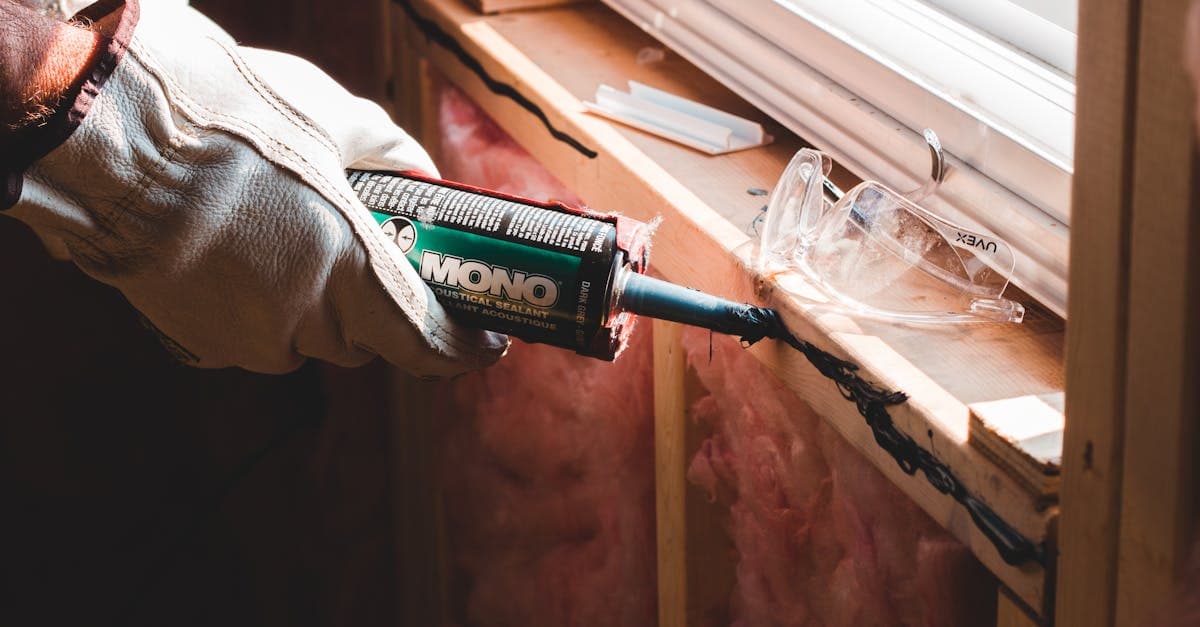
Properly sealed windows and doors are essential for energy efficiency, comfort, and protecting your home from water damage. Knowing when and how to reseal them can save you hundreds of dollars annually on energy bills and prevent costly water damage repairs.
Why This Matters
Well-sealed windows and doors:
- Reduce energy costs by preventing air leaks (can save 10-20% on heating/cooling)
- Improve home comfort by eliminating drafts
- Prevent water damage by keeping moisture out
- Reduce noise from outside
- Extend the life of windows and doors
- Maintain home value with a well-maintained exterior
Poorly sealed windows and doors can waste hundreds of dollars annually on energy, cause water damage, and make your home uncomfortable—costs that add up quickly over time.
Signs You Need to Reseal
Visual Signs
Caulk condition:
- Cracked or missing caulk
- Caulk pulling away from surfaces
- Discolored or deteriorated caulk
- Gaps between window/door and frame
- Gaps between frame and wall
Weatherstripping condition:
- Worn, torn, or missing weatherstripping
- Weatherstripping that no longer makes contact
- Visible gaps when door/window is closed
- Damaged or compressed weatherstripping
Performance Signs
Drafts and air leaks:
- Feel cold air coming in during winter
- Feel hot air coming in during summer
- Notice drafts near windows or doors
- High energy bills
- Difficulty maintaining comfortable temperature
Water issues:
- Water leaks during rain
- Water stains around windows or doors
- Condensation on interior of windows
- Moisture damage to frames or walls
Operational issues:
- Windows or doors difficult to open/close
- Windows or doors don't close tightly
- Visible daylight around closed windows/doors
- Excessive noise from outside
When to Reseal
Regular Maintenance Schedule
Every 3-5 years:
- Inspect all caulking
- Check weatherstripping condition
- Reseal as needed
- Replace worn weatherstripping
After specific events:
- After severe storms
- After window or door replacement
- After home renovations
- When moving into a new home
- After noticing drafts or leaks
Seasonal Considerations
Fall (before winter):
- Inspect and reseal before cold weather
- Ensure proper sealing for heating season
- Check for gaps that could cause drafts
- Replace weatherstripping if needed
Spring (after winter):
- Inspect for winter damage
- Reseal any areas that were compromised
- Prepare for cooling season
- Address any water damage from winter
How to Reseal Windows and Doors
Preparation
Before you start:
- Inspect thoroughly: Check all windows and doors
- Identify problem areas: Note where resealing is needed
- Gather materials: Caulk, weatherstripping, tools
- Choose the right products: Match caulk to your materials
- Check weather: Work in dry, moderate temperatures
Removing Old Caulk
Steps:
- Cut old caulk: Use utility knife to cut along edges
- Remove caulk: Use putty knife or scraper to remove
- Clean surfaces: Remove all old caulk and debris
- Ensure surfaces are dry: Critical for proper adhesion
- Clean with appropriate cleaner: Remove dirt, oil, or residue
Important:
- Remove all old caulk for best results
- Clean surfaces thoroughly
- Ensure surfaces are completely dry
- Don't rush this step
Applying New Caulk
Application steps:
- Load caulk gun: Cut tip at 45-degree angle
- Start at one end: Begin in a corner
- Apply steady pressure: Maintain consistent flow
- Move smoothly: Don't stop and start
- Tool the caulk: Smooth with finger or tool
- Clean excess: Remove any excess immediately
Tips for best results:
- Work in manageable sections
- Maintain consistent bead size
- Tool caulk while still wet
- Work in moderate temperatures
- Follow manufacturer instructions
Replacing Weatherstripping
Types of weatherstripping:
- Adhesive-backed foam: Easy to apply, good for small gaps
- V-strip: Effective for sliding windows and doors
- Door sweeps: For bottom of doors
- Compression strips: For windows that close tightly
Installation:
- Remove old weatherstripping: Clean surfaces
- Measure accurately: Cut to exact length
- Apply carefully: Follow manufacturer instructions
- Test fit: Ensure proper contact
- Secure properly: Ensure it stays in place
Choosing the Right Products
Caulk Selection
Types of caulk:
- Silicone: Excellent for wet areas, flexible, long-lasting
- Polyurethane: Very durable, good for large gaps
- Acrylic latex: Paintable, easy to work with
- Butyl rubber: Good for metal surfaces
Considerations:
- Material you're sealing (wood, vinyl, metal, etc.)
- Location (interior vs. exterior)
- Paintability (if you plan to paint)
- Flexibility needs
- Climate and exposure
Weatherstripping Selection
Choose based on:
- Type of window or door
- Size of gap
- Location (interior vs. exterior)
- Durability needs
- Ease of installation
Common Mistakes to Avoid
Caulking Mistakes
Don't:
- Apply caulk over old, damaged caulk
- Work in wet or freezing conditions
- Use interior caulk for exterior applications
- Apply too much caulk (wasteful and messy)
- Skip surface preparation
- Rush the process
Do:
- Remove all old caulk first
- Clean and dry surfaces thoroughly
- Use appropriate caulk for the application
- Apply in moderate temperatures
- Take your time for best results
Weatherstripping Mistakes
Don't:
- Install weatherstripping that's too thick (prevents closing)
- Install weatherstripping that's too thin (doesn't seal)
- Skip cleaning surfaces before installation
- Install in wrong location
- Use wrong type for the application
Do:
- Measure gaps accurately
- Choose appropriate thickness
- Clean surfaces before installation
- Follow manufacturer instructions
- Test fit before final installation
When to Call a Professional
Contact a professional if:
- You have extensive damage
- Structural issues are involved
- You're not comfortable with the work
- Windows or doors need replacement
- You have complex sealing needs
- Previous DIY attempts failed
Professional services:
- Complete resealing of all windows/doors
- Window and door replacement
- Structural repairs
- Energy audits and recommendations
Cost Considerations
DIY costs:
- Caulk: $5-$15 per tube
- Weatherstripping: $10-$30 per window/door
- Tools: $20-$50 (one-time)
- Total for average home: $100-$300
Professional costs:
- Per window/door: $50-$150
- Entire home: $500-$2,000
- With replacement: $3,000-$10,000+
Energy savings:
- Can save 10-20% on heating/cooling costs
- Typically $100-$300+ annually
- Pays for itself within 1-2 years
Maintenance Schedule
Monthly:
- Visual inspection
- Check for obvious problems
Annually (fall):
- Thorough inspection
- Reseal as needed
- Replace weatherstripping if needed
Every 3-5 years:
- Complete resealing
- Replace all weatherstripping
- Comprehensive maintenance
As needed:
- After noticing problems
- After severe weather
- After renovations
- When moving into new home
Conclusion
Resealing windows and doors is a cost-effective way to improve energy efficiency, comfort, and protect your home. By inspecting regularly, addressing issues promptly, and maintaining proper seals, you can save hundreds of dollars annually and prevent costly water damage. Start with a thorough fall inspection, then maintain a regular schedule to keep your windows and doors properly sealed.
For more energy efficiency guidance, explore our articles on reducing home energy bills and learn how to test your home for air leaks to identify all areas needing attention.
Frequently Asked Questions
How often should I reseal windows and doors?
Reseal windows and doors every 3-5 years, or when you notice drafts, water leaks, or deteriorating caulk. In harsh climates or areas with extreme temperature changes, you may need to reseal more frequently. Regular inspection helps you catch problems early.
What are the signs that windows and doors need resealing?
Signs include drafts, water leaks, visible gaps in caulk, cracked or missing caulk, high energy bills, difficulty opening/closing windows or doors, condensation between panes, and visible daylight around frames.
Can I reseal windows and doors myself?
Yes, resealing is a straightforward DIY project for most homeowners. Basic caulking and weatherstripping replacement can be done with minimal tools. However, if you have extensive damage, structural issues, or are unsure about the process, consider hiring a professional.
What type of caulk should I use?
Use exterior-grade caulk appropriate for your material (wood, vinyl, metal, etc.). Silicone or polyurethane caulk works well for most applications. Choose a color that matches or can be painted if needed. Read manufacturer instructions for specific applications.