
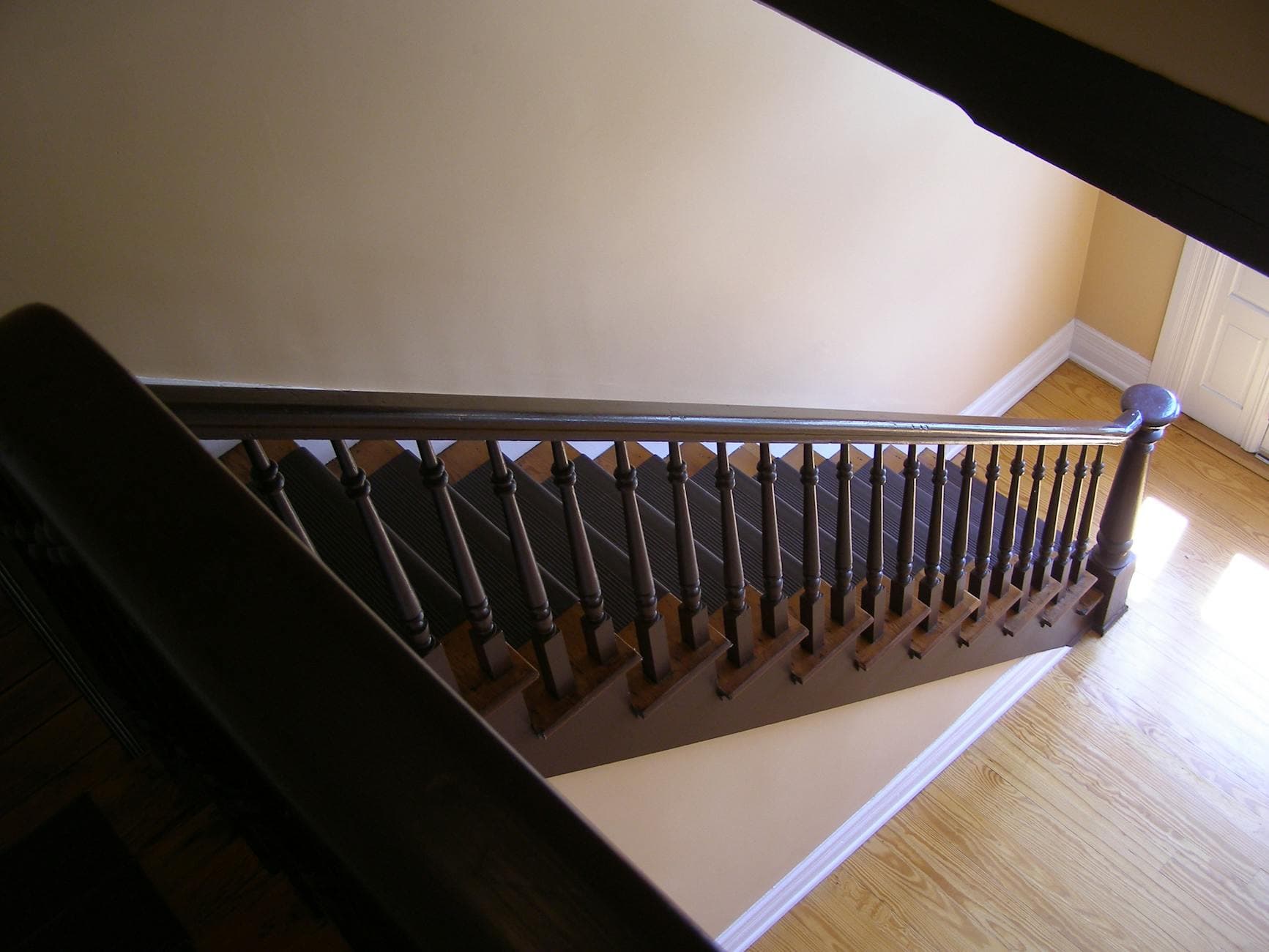
Stair railings and banisters are critical safety features that prevent falls and provide support. Regular maintenance keeps them secure, functional, and compliant with safety codes—protecting your family and maintaining your home's value.
Why This Matters
Well-maintained railings:
- Prevent falls and injuries that can be serious or fatal
- Meet safety codes and legal requirements
- Maintain property value with safe, functional features
- Provide support for all family members
- Extend railing lifespan significantly
Damaged or unstable railings are a serious safety hazard, especially for children, elderly, and anyone with mobility issues. Falls on stairs can cause serious injuries, and proper railings are essential for prevention.
Regular Inspection
What to Look For
Structural issues:
- Loose or wobbly railings
- Loose or missing hardware
- Cracked or split wood
- Loose or missing balusters (spindles)
- Unstable posts
- Damage from impact or wear
Condition issues:
- Damaged finish (paint/stain)
- Rot or decay (if wood)
- Rust (if metal)
- Loose connections
- Missing components
Safety issues:
- Railings too low
- Balusters too far apart
- Handrails not graspable
- Sharp edges or splinters
- Missing sections
Inspection Schedule
Monthly:
- Quick visual check
- Test for obvious looseness
- Look for damage
Annually:
- Thorough inspection
- Check all hardware
- Test stability
- Measure for code compliance
- Address all issues
Common Repairs
Tightening Loose Railings
If railing is loose:
- Identify the problem: Loose screws, brackets, or connections
- Tighten hardware: Use appropriate screwdriver or wrench
- Check all connections: Don't miss any
- Test stability: Ensure railing is secure
- Replace hardware if needed: If screws won't hold
When tightening isn't enough:
- May need to add additional support
- May need to replace hardware
- May need professional assessment
- Structural issues may require professional repair
Repairing Loose Balusters
If balusters are loose:
- Identify loose balusters: Test each one
- Tighten connections: Screws or nails
- Replace if damaged: Match existing style
- Ensure proper spacing: No more than 4 inches apart
- Test stability: Ensure all are secure
Replacement:
- Match existing style and material
- Ensure proper installation
- Maintain code-compliant spacing
- Finish to match existing
Fixing Damaged Wood
Small repairs:
- Fill cracks with wood filler
- Sand smooth
- Touch up paint or stain
- Match existing finish
Larger repairs:
- May need to replace sections
- Match wood type and style
- Ensure proper installation
- Finish to match
Addressing Structural Issues
Post problems:
- Loose posts need to be secured
- May need additional support
- May need to be reset
- Professional help often needed
Connection issues:
- Tighten all connections
- Replace damaged hardware
- Add support if needed
- Ensure proper installation
Maintenance Tasks
Cleaning
Regular cleaning:
- Dust regularly
- Clean with mild detergent
- Remove buildup
- Dry thoroughly
- Maintain finish
Deep cleaning:
- Annual thorough cleaning
- Remove all dirt and grime
- Prepare for refinishing if needed
- Inspect while cleaning
Painting and Staining
When to refresh:
- Paint or stain is failing
- Wood is exposed
- Finish is more than 5-7 years old
- After repairs
Process:
- Clean thoroughly: Remove all dirt
- Sand if needed: Smooth rough areas
- Repair damage: Fill cracks, replace parts
- Prime if needed: Check with paint manufacturer
- Apply finish: Paint or stain
- Allow to cure: Follow manufacturer instructions
Code Compliance
Height Requirements
Handrail height:
- Typically 34-38 inches from stair nose
- Measured vertically
- Consistent along entire run
- Check local codes for specifics
If too low:
- May need to raise railing
- May need to replace
- Professional assessment recommended
- Important for safety
Spacing Requirements
Baluster spacing:
- No more than 4 inches apart
- Prevents children from getting through
- Measured between balusters
- Critical for safety
If spacing is wrong:
- Add balusters if too far apart
- May need to replace sections
- Ensure code compliance
- Professional help may be needed
Structural Requirements
Strength and stability:
- Must support 200+ pounds
- No wobbling or movement
- Properly secured to structure
- Meets building codes
If not meeting requirements:
- Professional assessment needed
- May need reinforcement
- May need replacement
- Critical for safety
When to Call a Professional
Contact a professional for:
- Structural concerns
- Code compliance issues
- Extensive damage
- Complete replacement
- When you're unsure
- Complex repairs
Professional services:
- Structural assessment
- Code compliance evaluation
- Railing repair and replacement
- Custom fabrication
- Complete installation
Cost Considerations
Maintenance costs:
- Annual cleaning: $50-$150 (or DIY)
- Minor repairs: $100-$300
- Paint/stain refresh: $200-$500
- Hardware replacement: $50-$200
Repair costs:
- Moderate repairs: $300-$1,000
- Extensive repairs: $1,000-$3,000
- Complete replacement: $2,000-$8,000+
Money-saving tips:
- Do regular maintenance yourself
- Address small issues immediately
- Maintain finish regularly
- Regular inspections catch problems early
Maintenance Schedule
Monthly:
- Visual inspection
- Test for looseness
- Check for damage
Annually:
- Thorough inspection
- Deep cleaning
- Minor repairs
- Paint/stain refresh if needed
Every 5-7 years:
- Complete paint/stain refresh
- Comprehensive maintenance
- Professional inspection (if needed)
As needed:
- Repair damage immediately
- Address safety concerns promptly
- After incidents
- When problems are noticed
Safety Considerations
Preventing Falls
Safety measures:
- Ensure railings are secure
- Maintain proper height
- Keep balusters properly spaced
- Ensure handrails are graspable
- Maintain good lighting
For children:
- Ensure balusters are close enough
- Check for gaps
- Ensure railings are secure
- Supervise on stairs
- Teach safe stair use
For elderly:
- Ensure railings are at proper height
- Check for stability
- Ensure good grip
- Consider additional support
- Maintain good lighting
Conclusion
Regular maintenance of stair railings and banisters is essential for safety and code compliance. By inspecting regularly, addressing issues promptly, and maintaining finishes, you can keep your railings secure and functional for decades. Start with a thorough inspection, then maintain a regular schedule to ensure your stairs remain safe.
For more safety guidance, explore our articles on preventing slips and falls and learn about maintaining interior doors to keep your entire home safe and well-maintained.
Frequently Asked Questions
How often should I inspect stair railings?
Inspect stair railings monthly for obvious problems, and perform a thorough inspection annually. Check for loose hardware, stability, damage, and proper height. Address any issues immediately, as railings are critical for safety, especially for children and elderly.
What are the signs that railings need repair?
Signs include: loose or wobbly railings, missing or damaged hardware, cracked or split wood, loose balusters (spindles), unstable posts, damaged finish, and railings that don't meet code requirements (height, spacing). Any instability is a safety concern.
Can I repair railings myself?
Minor repairs like tightening hardware, replacing screws, and touch-up painting can often be done DIY. However, structural repairs, replacing balusters, or major stability issues should be evaluated by a professional to ensure safety and code compliance.
What are the code requirements for stair railings?
Most codes require: railings 34-38 inches high, balusters spaced no more than 4 inches apart, handrails graspable (1.25-2 inches diameter), continuous along entire stair run, and proper structural support. Check local building codes for specific requirements.