
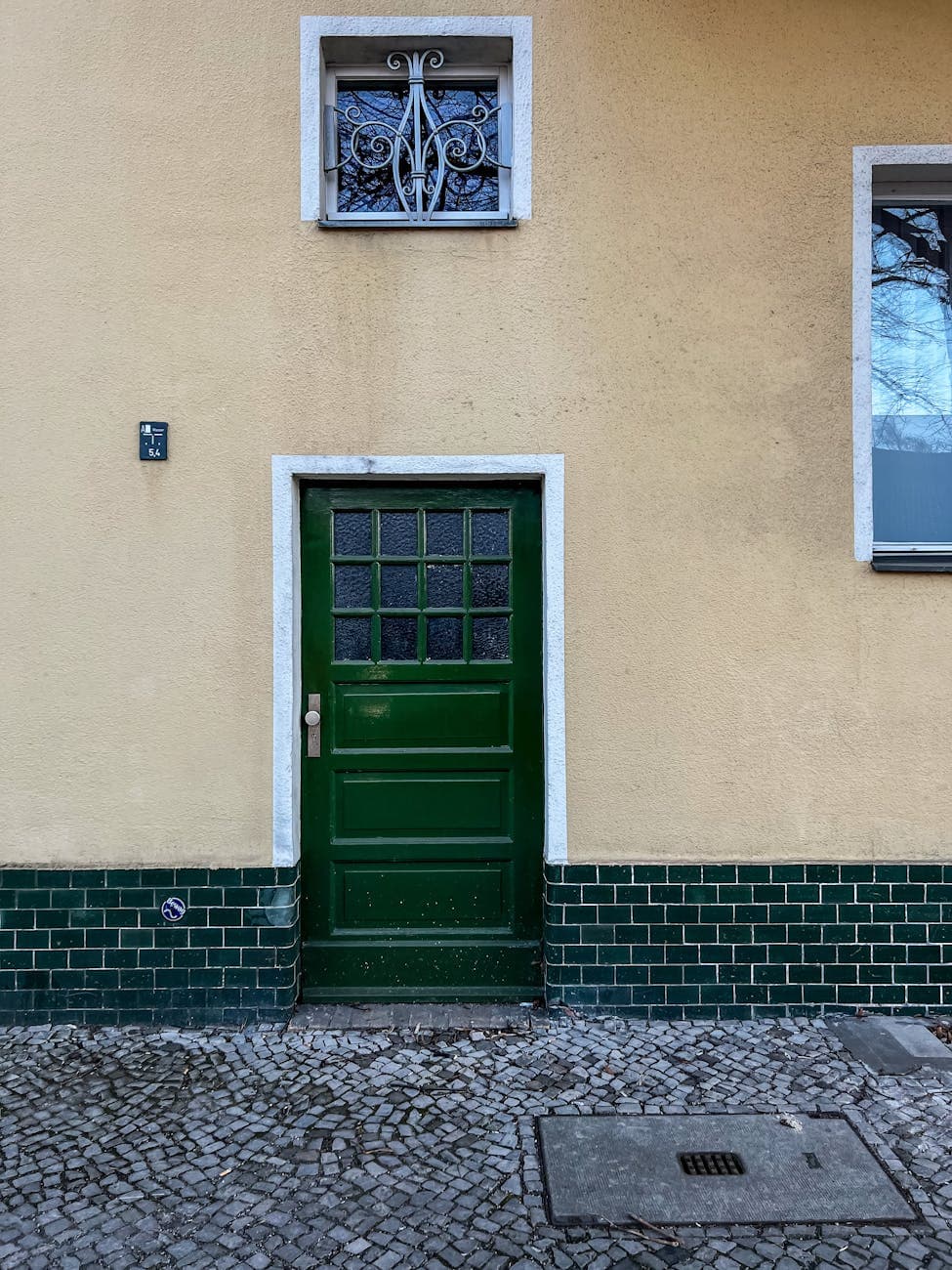
Stucco is a durable, low-maintenance exterior finish that can last for decades with proper care. Regular maintenance keeps your stucco looking great, prevents water damage, and protects your home's structure—potentially saving thousands in repair costs.
Why This Matters
Well-maintained stucco:
- Protects your home's structure from water damage
- Maintains curb appeal and property value
- Prevents costly repairs by catching issues early
- Extends stucco lifespan significantly
- Maintains energy efficiency by keeping the building envelope intact
Neglecting stucco maintenance can lead to water intrusion, structural damage, mold growth, and the need for expensive repairs or replacement—costs that can easily reach $5,000-$15,000 or more.
Regular Cleaning
Annual Cleaning
When to clean:
- Spring (after winter weather)
- When you notice dirt, stains, or discoloration
- Before applying any treatments or paint
Cleaning steps:
- Wet the stucco: Soak thoroughly with water (prevents cleaning solution from being absorbed)
- Apply cleaning solution: Use mild detergent mixed with water, or specialized stucco cleaner
- Scrub gently: Use a soft-bristle brush to avoid damaging texture
- Let sit: Allow cleaner to work for 10-15 minutes (don't let it dry)
- Rinse thoroughly: Rinse from top to bottom with plenty of water
- Repeat if needed: For stubborn stains, repeat the process
Removing Stains
Mold and mildew:
- Mix 1 part bleach with 3 parts water
- Apply and let sit for 10 minutes
- Scrub gently with soft brush
- Rinse thoroughly
- Improve ventilation to prevent recurrence
Dirt and grime:
- Use mild detergent and water
- Scrub with soft-bristle brush
- Rinse thoroughly
- For heavy buildup, consider professional cleaning
Paint or other substances:
- Remove while fresh if possible
- For dried substances, use appropriate remover
- Test in inconspicuous area first
- Never use harsh scraping that could damage stucco
Inspection and Repairs
What to Look For
Regular inspection checklist:
- Cracks (especially wider than 1/8 inch)
- Loose or bulging stucco
- Signs of water damage or staining
- Missing or damaged caulking
- Paint failure (if painted)
- Efflorescence (white deposits)
- Mold or algae growth
- Damage from impact or weather
Where to inspect:
- All sides of your home
- Areas around windows and doors
- Corners and joints
- Areas where stucco meets other materials
- Near ground level (most vulnerable to moisture)
- Under eaves and overhangs
Repairing Cracks
Hairline cracks (less than 1/8 inch):
- Usually cosmetic only
- Can be filled with caulk or stucco patching compound
- Monitor to ensure they don't widen
- Address if they're allowing water penetration
Larger cracks (wider than 1/8 inch):
- Need immediate attention
- Can allow water intrusion
- Use stucco patching compound
- Ensure proper preparation
- Match texture as closely as possible
Crack repair process:
- Clean crack thoroughly (remove loose material)
- Widen crack slightly (creates better bond)
- Dampen area (prevents patching compound from drying too quickly)
- Apply patching compound
- Texture to match existing stucco
- Allow to cure properly
- Paint if needed (match existing color)
Repairing Holes and Damage
Small holes:
- Clean out debris
- Dampen area
- Fill with stucco patching compound
- Texture to match
- Paint if needed
Larger damage:
- May require professional repair
- Ensure proper preparation
- Match texture and color
- May need multiple layers
Caulking and Sealing
Maintaining Caulking
Check caulking regularly:
- Around windows and doors
- Where stucco meets other materials
- At expansion joints
- Around penetrations (vents, pipes, etc.)
When to replace caulking:
- Caulk is cracked or missing
- Caulk is pulling away from surfaces
- You see water penetration
- Caulk is more than 5-7 years old
Caulking application:
- Remove old caulk completely
- Clean surfaces thoroughly
- Ensure surfaces are dry
- Apply appropriate exterior caulk
- Tool caulk for proper finish
- Allow to cure before painting (if needed)
Sealing Stucco (Optional)
Consider sealing if:
- Stucco is unpainted and you want protection
- You're in a high-moisture area
- You want to reduce maintenance
- Stucco is exposed to harsh weather
Sealing process:
- Clean stucco thoroughly
- Ensure stucco is completely dry
- Apply breathable masonry sealer
- Follow manufacturer instructions
- Reapply as recommended
Important: Consult with a professional before sealing, as improper sealing can trap moisture and cause damage.
Preventative Maintenance
Keep Stucco Dry
Improve drainage:
- Ensure gutters are clean and functioning
- Direct downspouts away from stucco walls
- Grade soil away from foundation (6 inches over 10 feet)
- Install proper flashing around windows and doors
Address moisture sources:
- Fix leaky gutters immediately
- Repair roof leaks promptly
- Ensure proper ventilation
- Keep sprinklers from spraying directly on stucco
- Address any water pooling near foundation
Protect from Damage
Prevent vegetation damage:
- Keep trees and shrubs trimmed away from stucco
- Remove vines (they trap moisture)
- Don't let plants grow directly on stucco
Avoid impact damage:
- Be careful with lawn equipment near stucco
- Protect stucco during construction or renovations
- Address any damage immediately
Paint Maintenance (If Painted)
When to Repaint
Signs you need to repaint:
- Paint is fading significantly
- Paint is chalking (rubs off on your hand)
- Paint is peeling or flaking
- Paint is more than 7-10 years old
- You see bare stucco showing through
Repainting process:
- Clean stucco thoroughly
- Repair any cracks or damage
- Prime if needed (check with paint manufacturer)
- Apply paint appropriate for stucco
- Use proper application technique
- Ensure proper coverage
Paint selection:
- Use paint specifically designed for stucco
- Choose breathable paint (allows moisture to escape)
- Match existing color or choose new color
- Consider climate and exposure
When to Call a Professional
Contact a professional for:
- Extensive crack repair
- Large areas of damage
- Structural concerns
- Water intrusion issues
- Complete stucco replacement
- Complex repairs
- When you're unsure about the best approach
Professional services:
- Stucco repair and patching
- Complete stucco application
- Water damage assessment
- Structural evaluation
- Painting large areas
Cost Considerations
Maintenance costs:
- Annual cleaning: $200-$500 (or DIY)
- Minor repairs: $300-$800
- Crack repair: $200-$600 per area
- Caulking: $200-$500
- Repainting: $3,000-$8,000 (entire home)
Repair costs (if maintenance is neglected):
- Extensive repairs: $2,000-$5,000
- Partial stucco replacement: $5,000-$10,000
- Complete stucco replacement: $10,000-$20,000+
Money-saving tips:
- Do annual cleaning yourself
- Address small cracks immediately
- Maintain proper drainage
- Regular inspections catch problems early
- Prevent moisture issues
Maintenance Schedule
Monthly:
- Visual inspection
- Check for obvious damage
Annually (spring):
- Deep cleaning
- Thorough inspection
- Minor repairs
- Caulking maintenance
Every 5-7 years:
- Professional inspection (if needed)
- Comprehensive maintenance review
- Major repairs if needed
Every 7-10 years (if painted):
- Repainting
- Complete maintenance overhaul
Special Considerations
Climate Factors
Cold climates:
- Watch for freeze-thaw damage
- Ensure proper drainage
- Address cracks before winter
- Consider breathable sealers carefully
Warm, humid climates:
- More frequent cleaning may be needed
- Watch for mold and mildew
- Ensure good air circulation
- Address moisture issues promptly
Dry climates:
- Less frequent cleaning needed
- Watch for cracking from expansion
- Maintain proper moisture levels
- Protect from UV damage
Conclusion
Stucco is a durable exterior finish, but it requires regular maintenance to stay in excellent condition. By cleaning annually, inspecting regularly, repairing cracks promptly, and maintaining proper caulking, you can keep your stucco looking great and protect your home's structure for decades. Start with a thorough spring cleaning and inspection, then maintain a regular schedule to preserve your stucco exterior.
For more exterior maintenance guidance, explore our articles on exterior maintenance and learn how to maintain other exterior surfaces to keep your entire home well-maintained.
Frequently Asked Questions
How often should I clean stucco?
Clean stucco annually, preferably in spring. In areas with heavy pollution, mold, or algae growth, you may need to clean twice a year. Regular cleaning prevents buildup that's harder to remove and helps maintain the stucco's appearance.
Can I pressure wash stucco?
Yes, but use extreme caution. Use low pressure (under 1,200 PSI) and keep the nozzle at least 12 inches away. Use a wide-angle nozzle, never a pinpoint stream. Test on a small, inconspicuous area first. High pressure can damage stucco texture and force water behind the stucco.
What causes stucco cracks?
Cracks can be caused by settling, temperature changes, moisture expansion, or foundation movement. Hairline cracks are normal, but larger cracks (wider than 1/8 inch) or cracks that are growing should be repaired promptly to prevent water intrusion.
When should I repaint stucco?
Painted stucco typically needs repainting every 7-10 years, depending on climate and exposure. Signs you need to repaint include fading, chalking, or peeling paint. Unpainted stucco doesn't need painting but may benefit from periodic sealing.