
Overview
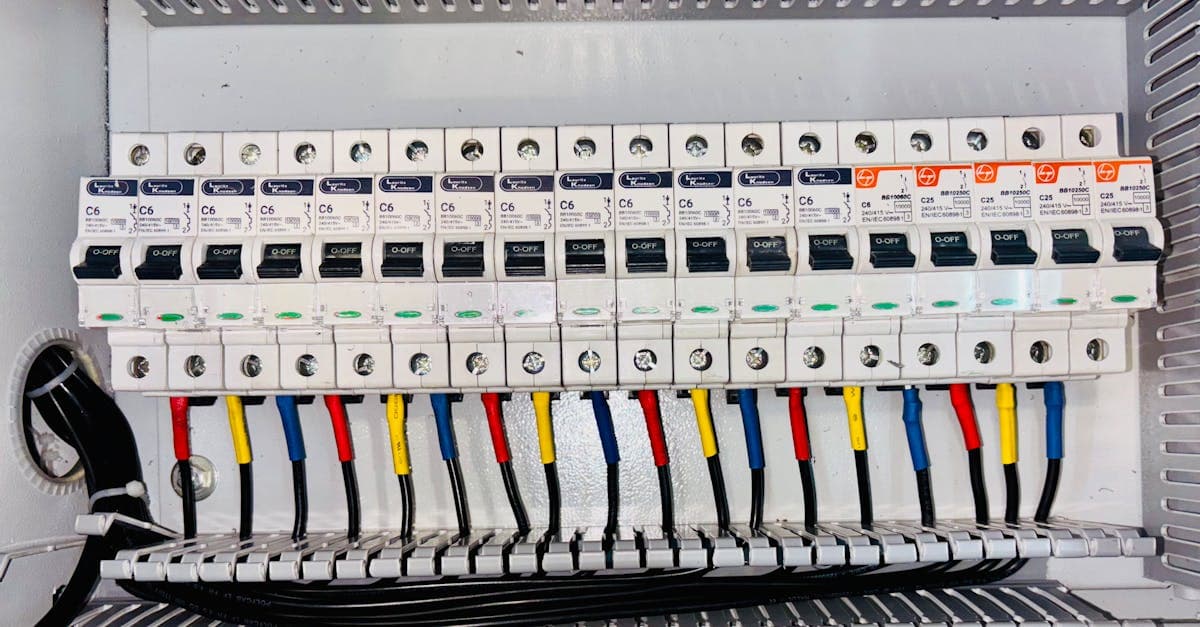
Your electrical panel is the heart of your home's electrical system, distributing power safely throughout your home. Old, outdated, or inadequate panels pose fire and safety hazards. Recognizing when your panel needs upgrading helps you plan this important improvement and ensures your home's electrical system can safely handle modern electrical demands.
Why This Matters
An outdated or inadequate electrical panel is a serious fire hazard and can't safely support modern electrical needs. Upgrading prevents fires, supports new appliances and devices, improves safety, and may be required for home improvements or insurance. Early recognition allows you to plan the upgrade before it becomes an emergency.
Age-Related Signs
Very Old Panel
Age indicators:
- Panel 20+ years old - May need upgrading
- 30+ years old - Likely needs replacement
- 40+ years old - Urgent replacement needed
- Original to home - If home is 30+ years old
Why age matters:
- Wear and deterioration - Components degrade over time
- Outdated safety - Older panels lack modern safety features
- Code compliance - May not meet current electrical codes
- Insurance concerns - Some insurers require upgrades
Action: If panel is 30+ years old, plan for professional inspection and likely upgrade.
Fuse Box Instead of Breakers
What it means:
- Very old system - Fuses predate modern breakers
- Inadequate capacity - Fuse systems often undersized
- Safety concerns - Fuses can be bypassed unsafely
- Obsolete technology - No longer standard
Signs you have fuses:
- Screw-in fuses - Instead of breaker switches
- Fuse replacement needed - When circuits trip
- Very old home - Pre-1960s construction
Action: Fuse boxes should be upgraded to modern breaker panels for safety and capacity.
Capacity and Performance Signs
Frequent Breaker Trips
Red flags:
- Breakers trip regularly - Under normal use
- Can't use multiple devices - Without tripping
- Trips with normal load - Shouldn't happen
- Upgraded appliances cause trips - New devices overload system
What it means:
- Insufficient capacity - Panel can't handle electrical demand
- Oversized breakers - Wrong size breakers installed (dangerous)
- Wiring problems - May indicate other issues
- Modern needs exceed capacity - Home needs more power
Action: If breakers trip frequently with normal use, panel likely needs upgrading.
Flickering or Dimming Lights
Symptoms:
- Lights dim - When appliances start
- Flickering - Especially with load changes
- Voltage drops - Noticeable when using devices
- Multiple rooms affected - System-wide issue
What it means:
- Insufficient capacity - Panel can't supply enough power
- Voltage problems - System struggling under load
- Wiring issues - May be panel or wiring
- Overloaded circuits - Too much demand
Action: If flickering is widespread, panel upgrade likely needed.
Burning Smell or Discoloration
Critical signs:
- Burning smell - From panel area
- Discolored panel - Brown, black, or scorched areas
- Warm to touch - Panel feels hot
- Visible damage - Scorch marks, melted areas
What it means:
- Overheating - Serious fire hazard
- Loose connections - Creating heat
- Overloaded circuits - Exceeding capacity
- Immediate danger - Fire risk
Action: Call electrician immediately—this is a fire hazard requiring urgent attention.
Physical Condition Signs
Visible Damage
What to look for:
- Rust or corrosion - On panel or breakers
- Cracks or damage - Physical damage to panel
- Loose breakers - Breakers feel loose or wiggle
- Corroded wires - Visible corrosion on connections
- Water damage - Signs of moisture
What it means:
- Deterioration - Panel aging and failing
- Safety hazard - Damage increases fire risk
- Needs replacement - Can't be safely repaired
- Moisture exposure - Water and electricity are dangerous
Action: Visible damage requires professional inspection and likely replacement.
Outdated Breaker Types
Old breaker types:
- Federal Pacific (FPE) - Known to fail, fire hazard
- Zinsco panels - Safety concerns, prone to failure
- Pushmatic breakers - Obsolete, hard to find replacements
- Aluminum wiring - In older panels (fire risk)
Why it matters:
- Known hazards - Some brands are fire risks
- No replacement parts - Can't repair, must replace
- Insurance issues - Some insurers won't cover homes with certain panels
- Safety concerns - May not trip when they should
Action: If you have these panel types, plan for replacement.
Functional Signs
Insufficient Capacity
Modern needs:
- Electric vehicle charging - Requires high capacity
- Multiple AC units - High electrical demand
- Home office - Many devices running
- Smart home devices - Additional electrical load
- Large appliances - Electric range, dryer, etc.
Signs of insufficient capacity:
- Can't add circuits - No room in panel
- Must choose - Can't run everything at once
- Upgrades blocked - Can't add new electrical features
- Breaker trips - When using multiple high-draw devices
Action: If you can't add circuits or frequently trip breakers, upgrade needed.
Code Compliance Issues
Modern code requirements:
- GFCI protection - Required in many areas
- AFCI protection - Arc fault protection
- Adequate capacity - Minimum amperage requirements
- Proper grounding - Updated grounding systems
If your panel:
- Lacks GFCI/AFCI - May need upgrade
- Doesn't meet code - For your area
- Can't add protection - Without upgrade
- Insurance requires - Code compliance
Action: Code compliance may require panel upgrade.
When Upgrade is Urgent
Immediate Attention Needed
Upgrade urgently if:
- Burning smell - Fire hazard
- Visible damage - Scorching, melting
- Sparks or smoke - Active electrical problem
- Frequent trips - With normal use
- Insurance requires - Mandated upgrade
- Home sale - Buyer's inspection requires it
Don't delay - These indicate serious safety concerns.
Planning an Upgrade
What an Upgrade Involves
Typical upgrade:
- New panel - Modern breaker panel
- Increased capacity - 200 amp standard (up from 100-150)
- New breakers - GFCI/AFCI where required
- Updated wiring - Service entrance may need update
- Permits and inspection - Required for safety
Cost: $1,500-$4,000 depending on complexity and location.
Benefits of Upgrading
After upgrade:
- Increased safety - Modern safety features
- Adequate capacity - Handle modern electrical needs
- Code compliant - Meets current requirements
- Support new devices - EV charging, etc.
- Insurance - May improve coverage
- Home value - Increases home value
When to Call an Electrician
Call for:
- Panel inspection - If you see warning signs
- Upgrade planning - Get quotes and plan
- Urgent problems - Burning, damage, frequent trips
- Before major work - If planning renovations
- Home purchase - Inspection may reveal need
Professional service: $200-$500 for inspection, $1,500-$4,000 for upgrade.
Conclusion
Recognizing when your electrical panel needs upgrading is important for safety and functionality. Age, frequent trips, flickering lights, burning smells, visible damage, and insufficient capacity are key indicators. Some signs require immediate attention, while others allow for planning. Don't ignore warning signs—an outdated panel is a fire hazard. Professional inspection and upgrade ensure your home's electrical system is safe and adequate for modern needs.
Frequently Asked Questions
How do I know if my electrical panel needs upgrading?
Signs include frequent breaker trips, flickering lights, burning smell, panel over 20-30 years old, fuses instead of breakers, insufficient capacity for modern needs, or visible damage. Multiple signs together strongly indicate upgrade is needed.
Is an electrical panel upgrade urgent?
If you see burning smells, sparks, or frequent trips, it's urgent for safety. If it's just age or capacity issues, you can plan the upgrade, but don't delay too long—old panels are fire hazards.
Can I upgrade my electrical panel myself?
No, electrical panel upgrades require a licensed electrician. This is dangerous work involving high voltage, and permits and inspections are required. DIY electrical panel work is illegal and extremely dangerous.