
Overview
When your heater won't turn on, it's natural to worry about expensive repairs. However, many heating problems have simple solutions you can check yourself. This troubleshooting guide walks you through the most common causes and fixes, helping you resolve issues quickly or know when to call a professional.
Why This Matters
Heating emergencies often happen at the worst times—during cold snaps or holidays when professional service is expensive and hard to schedule. Knowing basic troubleshooting can save you hundreds of dollars and get your heat back on faster. Many heater problems are simple fixes that take just minutes.
Step 1: Check the Thermostat
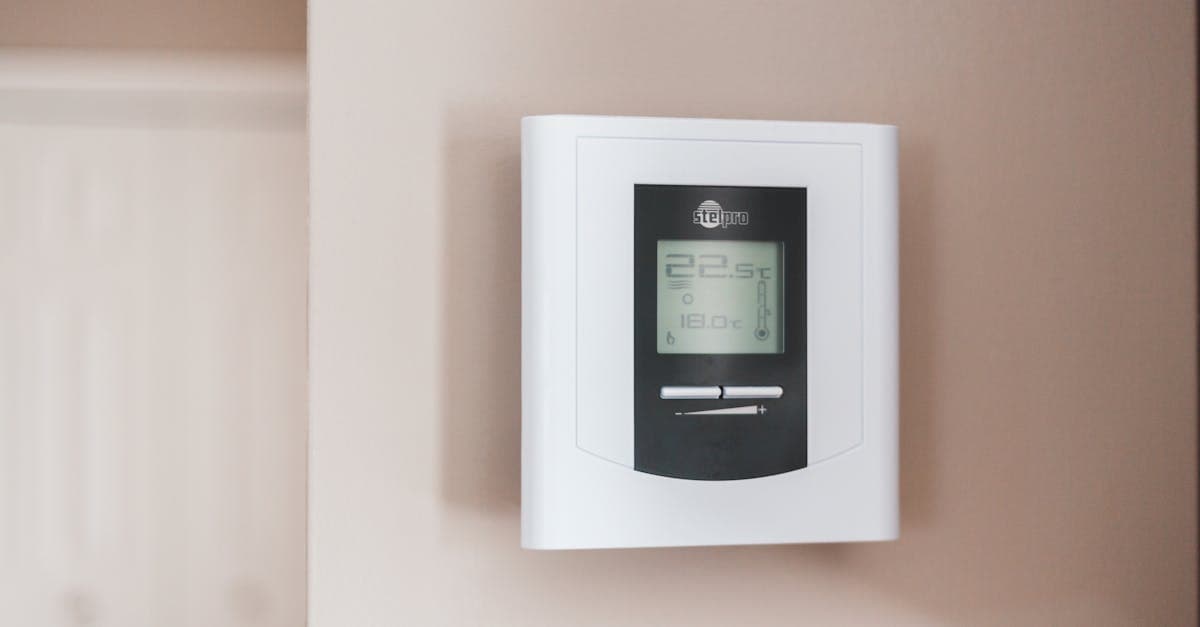
Basic Thermostat Checks
Most common issue: Thermostat settings
- Verify heat is selected (not "off" or "cool")
- Check temperature setting - Is it set higher than room temperature?
- Replace batteries if thermostat uses batteries
- Check for programming - Is it in "hold" or "vacation" mode?
Digital Thermostat Issues
- Reset the thermostat - Turn off, wait 30 seconds, turn back on
- Check for error codes - Consult manual if display shows codes
- Clean the unit - Dust can affect sensors
Mechanical Thermostat Issues
- Check calibration - Use separate thermometer to verify accuracy
- Clean contacts - Gently clean with soft brush (power off first)
Step 2: Check Circuit Breakers
Electrical Panel Check
- Locate your electrical panel
- Find breaker labeled "furnace," "heater," or "HVAC"
- Check if breaker is tripped (middle position or "off")
- Reset if tripped - Turn fully off, then back on
- Wait a few minutes - Some systems have delay timers
If Breaker Trips Again
Don't keep resetting - This indicates an electrical problem:
- Short circuit
- Overloaded circuit
- Failing component
Call an electrician or HVAC technician immediately.
Step 3: Check Air Filters
Filter Inspection
Dirty filters are a leading cause of heater problems:
- Locate filter (usually near return air duct or in furnace)
- Remove and inspect - Hold up to light
- If you can't see light through it, replace immediately
- Check filter size before buying replacement
How Dirty Filters Cause Problems
- Restricted airflow triggers safety switches
- System overheats and shuts down
- Reduced efficiency increases wear
Solution: Replace filter and wait 10-15 minutes for system to reset.
Step 4: Check Gas Supply (Gas Heaters)
Gas Valve Check
- Locate gas shutoff valve near furnace
- Verify valve is in "on" position (parallel to pipe)
- Check other gas appliances - If they don't work, gas may be off to entire home
Pilot Light Check (Older Systems)
- Remove access panel (safely, following manufacturer instructions)
- Look for pilot light - Should be small blue flame
- If out, follow manufacturer's relight instructions
- If you smell gas, turn off gas immediately and call professional
Safety: If you smell gas at any point, evacuate and call gas company immediately.
Step 5: Check Safety Switches
Common Safety Switches
High-limit switch: Prevents overheating
- Cause: Dirty filter, blocked vents, or system problem
- Fix: Replace filter, clear vents, wait for reset
Pressure switch: Monitors airflow
- Cause: Blocked exhaust or intake
- Fix: Clear debris from outdoor vents
Rollout switch: Detects dangerous flame conditions
- Cause: Serious problem requiring professional attention
- Action: Call technician immediately
Step 6: Check Vents and Registers
Airflow Check
- Ensure all supply vents are open (not blocked by furniture)
- Check return air vents - Should be unobstructed
- Look for closed dampers in ductwork
- Remove any blockages around outdoor unit (if heat pump)
Step 7: Listen for Error Codes
Modern Systems
Many newer systems flash error codes:
- Count the flashes on indicator light
- Consult manual or manufacturer website for code meaning
- Document code before calling technician
When to Call a Professional
Call immediately if:
- Gas smell (evacuate first)
- Electrical problems (sparks, burning smell)
- Carbon monoxide alarm sounds
- System makes loud banging or grinding
- Breaker keeps tripping
- Pilot light won't stay lit (gas systems)
- Error codes indicate serious problems
Prevention Tips
- Replace air filters monthly during heating season
- Schedule annual professional maintenance
- Keep vents and registers clear
- Monitor energy bills for unusual increases
- Test system before cold weather arrives
- Install carbon monoxide detectors
Emergency Heating Alternatives
While waiting for repair:
- Use space heaters safely (keep 3 feet from anything, never leave unattended)
- Close off unused rooms
- Use extra blankets
- Stay in one well-heated room
- Never use ovens or stoves for heat (fire and carbon monoxide risk)
Cost Expectations
DIY fixes:
- Filter replacement: $10-$30
- Thermostat battery: $5
- Breaker reset: Free
Professional repairs:
- Service call: $75-$150
- Common repairs: $150-$500
- Major component replacement: $500-$2,000+
Conclusion
Many heater problems are simple fixes you can handle yourself. Start with thermostat, breakers, and filters—these resolve most issues. When in doubt, especially with gas systems or electrical problems, call a professional. Your safety and your home's safety are more important than saving money on a service call.
Frequently Asked Questions
Why won't my heater turn on?
Common causes include tripped breakers, dirty filters, thermostat issues, pilot light problems (gas), or safety switch activation. Most issues are fixable with basic troubleshooting.
Is it safe to troubleshoot my heater myself?
Basic checks like breakers, filters, and thermostats are safe. For gas leaks, electrical problems, or complex issues, always call a professional.
How much does heater repair cost?
Simple fixes like filter replacement or breaker reset cost nothing. Professional repairs typically range from $150-$500, depending on the issue.