
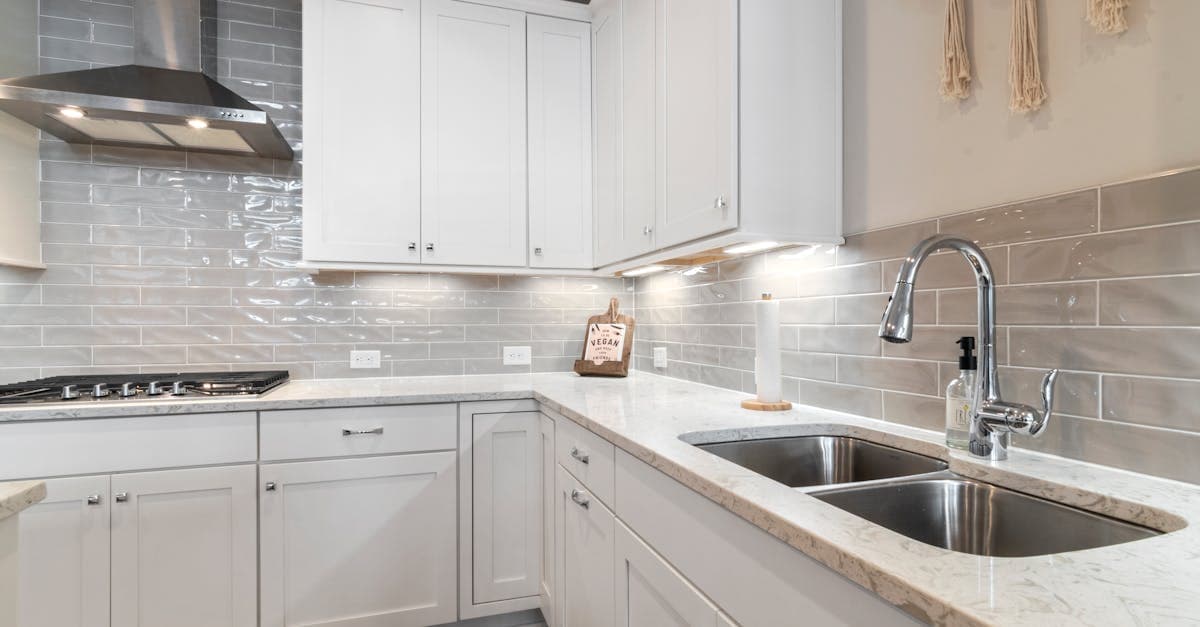
Interior caulking seals joints and gaps to prevent water damage, improve energy efficiency, and maintain your home's appearance. Knowing when to replace caulking and how to do it properly protects your home and saves money.
Why This Matters
Properly maintained caulking:
- Prevents water damage by sealing joints effectively
- Improves energy efficiency by sealing air leaks
- Maintains home appearance with clean, sealed joints
- Prevents mold growth by keeping moisture out
- Extends material life by protecting surfaces
Failed caulking can lead to water damage, mold growth, energy loss, and costly repairs—damage that can easily cost thousands to fix.
Signs Caulking Needs Replacement
Visual Signs
What to look for:
- Cracked caulk: Visible cracks or splits
- Missing caulk: Gaps where caulk should be
- Pulling away: Caulk separating from surfaces
- Discolored caulk: Stained or dirty appearance
- Shrinking caulk: Caulk appears smaller than when applied
- Gaps: Visible spaces between caulk and surfaces
Performance Signs
Functional problems:
- Water leaks: Water getting through joints
- Drafts: Air coming through gaps
- Mold growth: Mold appearing around caulked areas
- Moisture damage: Water stains or damage near caulk
- Energy loss: Higher heating/cooling bills
Age-Based Replacement
Typical lifespan:
- Interior caulk: 3-5 years typically
- Bathroom caulk: May need replacement more frequently (2-3 years)
- High-traffic areas: May wear faster
- Quality matters: Better caulk lasts longer
When age indicates replacement:
- Caulk is 3-5 years old
- You don't know when it was last replaced
- Moving into new home (check condition)
- After renovations
Where Caulking is Critical
Bathrooms
High-priority areas:
- Around tub and shower
- Around sink
- Between tub and wall
- Around toilet base
- At floor/wall junctions
Why it matters:
- Prevents water damage
- Prevents mold growth
- Protects walls and floors
- Maintains appearance
- Critical for functionality
Kitchens
Important areas:
- Around sink
- Between counter and backsplash
- Around appliances
- At floor/wall junctions
- Around windows
Why it matters:
- Prevents water damage
- Maintains cleanliness
- Protects surfaces
- Improves appearance
Windows and Doors
Sealing areas:
- Around window frames
- Around door frames
- Between frame and wall
- At sills and thresholds
Why it matters:
- Prevents air leaks
- Improves energy efficiency
- Prevents water intrusion
- Maintains comfort
How to Replace Caulking
Preparation
Before you start:
- Remove old caulk: Completely remove all old caulk
- Clean surfaces: Remove all residue and debris
- Ensure dry: Surfaces must be completely dry
- Choose right caulk: Select appropriate type
- Gather tools: Caulk gun, scraper, cleaner
Removing old caulk:
- Use utility knife to cut along edges
- Use scraper or putty knife to remove
- Use caulk remover if needed (follow instructions)
- Clean thoroughly
- Ensure surfaces are smooth
Application
Steps:
- Load caulk gun: Cut tip at 45-degree angle
- Start in corner: Begin application
- Apply steady pressure: Maintain consistent flow
- Move smoothly: Don't stop and start
- Tool the caulk: Smooth with finger or tool
- Clean excess: Remove immediately
Tips for best results:
- Work in manageable sections
- Maintain consistent bead size
- Tool caulk while wet
- Work in moderate temperatures
- Follow manufacturer instructions
Choosing the Right Caulk
Types of Caulk
Silicone caulk:
- Excellent for wet areas
- Very flexible
- Long-lasting
- Not paintable (usually)
- Good for bathrooms
Acrylic latex caulk:
- Paintable
- Easy to work with
- Good for general use
- Less flexible than silicone
- Good for most interior uses
Specialized caulks:
- Kitchen and bath specific
- Mold-resistant formulas
- Colored caulks
- Specialty applications
Selection Considerations
Choose based on:
- Location (wet vs. dry)
- Paintability needs
- Material being sealed
- Flexibility requirements
- Climate and exposure
Maintenance and Prevention
Regular Inspection
Monthly:
- Visual check of caulked areas
- Look for obvious problems
- Check high-moisture areas
Annually:
- Thorough inspection
- Check all caulked areas
- Address any issues found
- Plan for replacement if needed
Preventative Measures
Extend caulk life:
- Keep areas clean
- Address moisture issues
- Maintain proper ventilation
- Don't use harsh cleaners
- Address problems promptly
When to Call a Professional
Contact a professional for:
- Extensive caulking work
- Hard-to-reach areas
- Complex applications
- When you're unsure
- Large-scale projects
Professional services:
- Complete caulking replacement
- Professional application
- Assessment and recommendations
- Specialty applications
Cost Considerations
DIY costs:
- Caulk: $5-$15 per tube
- Tools: $20-$50 (one-time)
- Total for average home: $50-$200
Professional costs:
- Per linear foot: $2-$5
- Entire home: $300-$1,000+
- Depends on scope
Money-saving tips:
- Do replacement yourself
- Buy caulk in bulk
- Address issues promptly
- Regular maintenance extends life
Maintenance Schedule
Monthly:
- Visual inspection
- Check for problems
Annually:
- Thorough inspection
- Replace as needed
- Address all issues
Every 3-5 years:
- Complete replacement
- Comprehensive maintenance
- Update as needed
As needed:
- Replace when damaged
- After noticing problems
- After renovations
- When moving in
Conclusion
Regular inspection and replacement of interior caulking is essential for preventing water damage and maintaining your home. Replace caulking every 3-5 years, or when you notice it's failing. Start with high-priority areas like bathrooms, then work through your home systematically.
For more maintenance guidance, explore our articles on caulking windows and learn about preventing mold in bathrooms to protect your entire home from moisture damage.
Frequently Asked Questions
How often should I replace interior caulking?
Replace interior caulking every 3-5 years, or when you notice it's cracked, missing, pulling away, or no longer sealing properly. In high-moisture areas like bathrooms, you may need to replace more frequently. Regular inspection helps you catch problems early.
What are the signs that caulking needs replacement?
Signs include: cracked or missing caulk, caulk pulling away from surfaces, visible gaps, water leaks, mold or mildew growth, discolored caulk, and caulk that's more than 3-5 years old. Any failure to seal properly indicates replacement is needed.
What type of caulk should I use for interior applications?
For interior use, choose: silicone caulk for wet areas (bathrooms, kitchens), acrylic latex caulk for general use (paintable, easy to work with), or specialized caulk for specific applications. Read labels to ensure caulk is appropriate for your specific use and materials.
Can I apply new caulk over old caulk?
It's not recommended. Remove old caulk completely before applying new. Old caulk may be damaged, may not adhere properly, and can cause the new caulk to fail. Proper preparation ensures the best results and longest lifespan.