
Overview
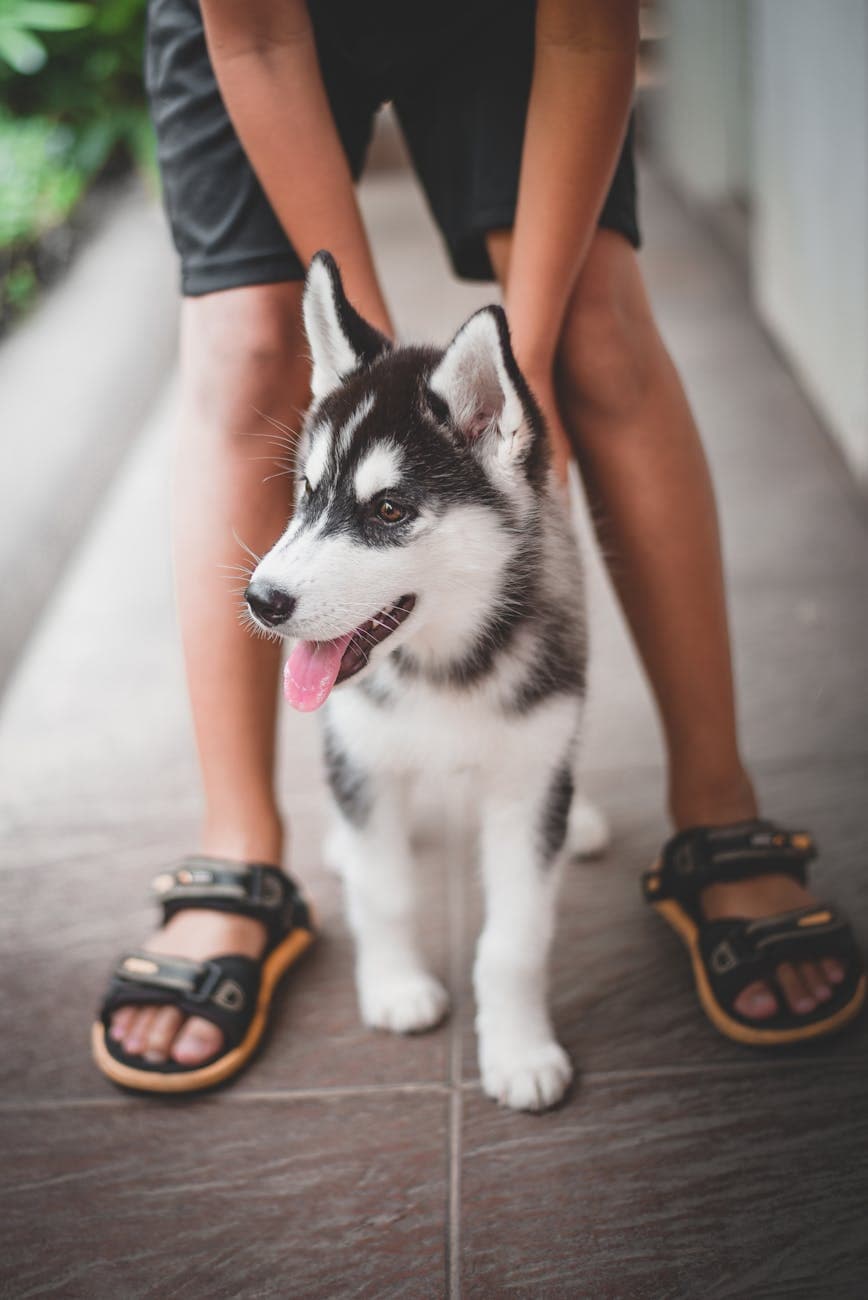
Pet owners need to take extra precautions to keep their homes safe for furry family members. Many common household items and situations can be dangerous or even fatal to pets. This guide covers essential safety measures to protect pets and create a pet-friendly home environment.
Why This Matters
Thousands of pets are injured or killed annually by household hazards that are easily preventable. Protecting pets requires awareness of common dangers and taking simple precautions. A pet-safe home protects your beloved animals and provides peace of mind.
Toxic Substances
Human Foods
Dangerous foods:
- Chocolate - Toxic to dogs and cats
- Grapes and raisins - Can cause kidney failure
- Onions and garlic - Toxic to pets
- Xylitol - Artificial sweetener, very toxic
- Alcohol - Dangerous for pets
- Coffee and caffeine - Toxic
Prevention:
- Keep foods secure - Out of reach
- Don't feed table scraps - Without checking safety
- Secure trash - Pet-proof containers
- Educate family - Everyone knows dangers
Plants
Toxic plants:
- Lilies - Very toxic to cats
- Poinsettias - Holiday hazard
- Aloe vera - Can cause problems
- Many common plants - Research before bringing home
Prevention:
- Research plants - Before purchasing
- Remove toxic plants - If you have pets
- Use barriers - Keep pets away from plants
- Know symptoms - Of plant poisoning
Cleaning Products
Hazardous chemicals:
- Bleach - Toxic if ingested
- Ammonia - Dangerous fumes
- Antifreeze - Sweet taste, very toxic
- Pest control - Rodenticides, insecticides
Prevention:
- Store securely - Locked cabinets
- Use pet-safe - Cleaning products when possible
- Clean up spills - Immediately
- Ventilate - When using chemicals
Medications
Dangerous:
- Human medications - Many are toxic
- Over-the-counter - Can be dangerous
- Prescription drugs - Keep secure
- Vitamins - Some are harmful
Prevention:
- Store securely - Locked medicine cabinet
- Never give - Human meds without vet approval
- Dispose properly - Old medications
- Keep out of reach - Always
Physical Hazards
Electrical Cords
Dangers:
- Chewing - Can cause shock, burns
- Strangulation - If wrapped around
- Fire hazard - If damaged
Prevention:
- Cover cords - Cord covers or conceal
- Unplug when not in use - Reduce access
- Use bitter spray - Deter chewing
- Supervise - Especially puppies/kittens
Small Objects
Choking hazards:
- Small toys - Can be swallowed
- Batteries - Toxic if ingested
- Coins - Choking hazard
- Hair ties, rubber bands - Can cause blockages
Prevention:
- Keep small objects - Out of reach
- Pet-proof play areas - Remove hazards
- Supervise play - With small items
- Choose pet toys - Appropriately sized
Windows and Balconies
Fall hazards:
- Open windows - Pets can fall
- Unsecured screens - Can push through
- Balconies - Need barriers
- High places - Cats especially
Prevention:
- Secure screens - Can't be pushed out
- Limit window opening - Pet-proof limits
- Balcony barriers - Prevent falls
- Supervise - When windows open
Home Maintenance for Pet Safety
Secure Fencing
Outdoor safety:
- Check for gaps - Pets can escape
- Secure gates - Latch properly
- Repair damage - Promptly
- Check regularly - Maintain security
Flooring
Considerations:
- Non-slip surfaces - Prevent injuries
- Avoid toxic materials - Some flooring harmful
- Easy to clean - Pet accidents
- Comfortable - For pet paws
Heating and Cooling
Comfort and safety:
- Maintain temperature - Comfortable for pets
- Secure heating elements - Space heaters, etc.
- Ventilation - Fresh air
- Emergency plans - Power outages
Emergency Preparedness
Pet Emergency Kit
Include:
- First aid supplies - Pet-specific
- Medications - If pet takes any
- Food and water - Several days supply
- Leash and carrier - For evacuation
- Vet contact - Information
- Medical records - Copies
Evacuation Plan
Include pets:
- Know pet-friendly - Shelters, hotels
- Practice - Getting pets in carriers
- Have supplies - Ready to go
- ID tags - Current information
- Microchips - Permanent identification
Regular Maintenance
Cleaning
Pet-specific:
- Clean pet areas - Regularly
- Wash bedding - Frequently
- Vacuum - Pet hair, dander
- Clean accidents - Promptly, thoroughly
Health Checks
Home maintenance:
- Check for hazards - Regularly
- Inspect pet areas - Safety
- Maintain secure - Fencing, gates
- Update safety - As needed
Creating Safe Spaces
Pet-Proof Rooms
Designate areas:
- Safe rooms - For pets when alone
- Remove hazards - From pet areas
- Provide toys - Appropriate, safe
- Comfortable - Bedding, temperature
Barriers
Use when needed:
- Pet gates - Block unsafe areas
- Crate training - Safe confinement
- Closed doors - Limit access
- Supervision - When needed
Cost Considerations
Pet-proofing:
- Gates: $20-$100
- Cord covers: $10-$30
- Pet-safe products: $20-$50
- Fencing repairs: $50-$500
- Total: $100-$680
Emergency vet costs:
- Poisoning treatment: $500-$3,000+
- Surgery: $1,000-$5,000+
- Prevention is - Much less expensive
When to Consult Professionals
Seek help for:
- Fencing installation - If complex
- Home modifications - For pet safety
- Behavioral issues - That create hazards
- Emergency situations - Vet, poison control
Conclusion
Protecting pets requires awareness of common household hazards and taking preventive measures. Secure toxic substances, remove or secure physical hazards, maintain secure fencing, and create safe spaces for pets. Regular maintenance and emergency preparedness ensure your pets stay safe. The effort to pet-proof your home protects your beloved animals and provides peace of mind. Prevention is always better and less expensive than emergency treatment.
Frequently Asked Questions
What are the most common household hazards for pets?
Common hazards include toxic plants, human foods (chocolate, grapes, onions), cleaning chemicals, electrical cords, small objects that can be swallowed, open windows, and unsecured cabinets with medications or chemicals.
How can I pet-proof my home?
Pet-proofing includes securing cabinets with chemicals/medications, using pet gates, covering electrical cords, removing toxic plants, securing trash cans, keeping small objects out of reach, and ensuring windows and balconies are secure.
Are there specific home maintenance tasks for pet owners?
Yes, pet owners should maintain secure fencing, regularly clean pet areas, check for escape routes, maintain HVAC filters more frequently (pet hair), and ensure all pet areas are safe and well-maintained.