
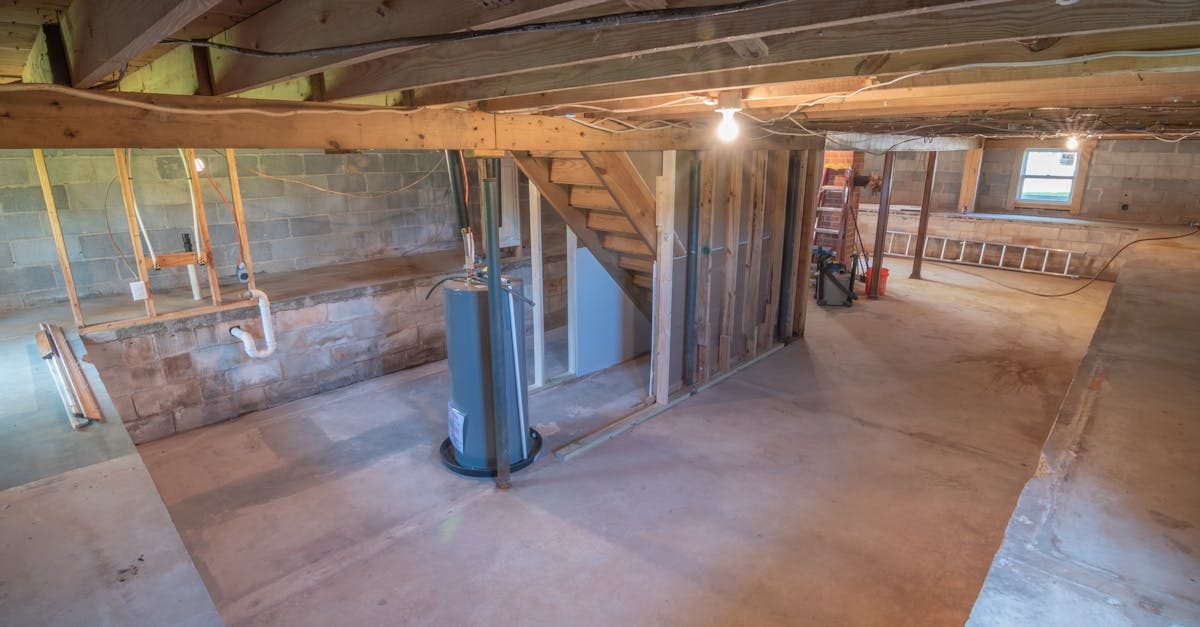
Why hidden water damage is easy to miss
Hidden water damage does not always show as a puddle. It can develop slowly from a small leak under a sink, behind a toilet, or inside a wall. By the time you notice staining or odor, the problem may have been present for weeks or months. Learning the most common signs room by room helps you catch issues early and limit cost and mold risk.
When to call immediately
Call for professional help right away if:
- Water is near electrical—Do not touch standing water if it could contact wiring or panels. Shut off power at the breaker if you can do so safely.
- Sewage or gray water backup—Contaminated water requires professional cleanup and safety precautions.
- Ceiling sagging or bulging—This can indicate a significant leak and risk of collapse; avoid the area and get help.
- Widespread wet flooring—Large areas of wet carpet or flooring often mean a major leak or overflow; extraction and drying need to start quickly.
In these cases, stay calm, stay safe, and get pros and your insurer involved as needed.
Bathroom
- Under the sink: Look for dampness, stains, or soft spots in the cabinet; check supply lines and drain for drips.
- Around the toilet: Feel the floor for softness; look for staining or moisture at the base; listen for hissing or running when not in use.
- Shower/tub: Check caulk and grout for gaps or discoloration; look for moisture on walls or floor outside the enclosure.
- Walls and ceiling: Discoloration, bubbling paint, or soft drywall can indicate a leak from above or behind.
Kitchen
- Under the sink: Same as bathroom—dampness, stains, soft cabinet material; check supply lines and disposal connection.
- Dishwasher: Pull out the kick plate and look for puddles or rust; check the supply line and drain hose.
- Refrigerator (ice/water): Check the line and the drip pan; pull the fridge out periodically to inspect the floor.
- Walls and flooring: Warping, staining, or soft spots near appliances or fixtures suggest a leak.
Basement and utility areas
- Sump pump: Ensure it is running and the discharge line is clear; look for moisture or staining around the pit.
- Water heater: Check for pooling, rust, or corrosion at the base; inspect connections and the pressure relief valve.
- Washing machine: Check supply hoses and drain; look for moisture behind or under the unit.
- Walls and floor: Staining, efflorescence, or musty smell can indicate seepage or an internal leak.
Living areas and ceilings
- Ceilings: Discoloration, bubbling paint, or sagging suggest a roof or plumbing leak from above.
- Walls: Soft spots, staining, or peeling paint can indicate a leak inside the wall.
- Flooring: Warping, buckling, or soft spots—especially near bathrooms or kitchens—often point to moisture from below or adjacent.
Exterior and roof
- Roof: Missing or damaged shingles, damaged flashing, or clogged gutters can allow water in; inspect after storms.
- Gutters and downspouts: Ensure they are clear and direct water away from the foundation.
- Foundation: Cracks, staining, or standing water near the foundation can indicate drainage or seepage issues.
Next steps when you find signs
When you spot signs of hidden water damage:
- Document with photos and notes.
- Stop the source if you can do so safely (e.g., shut off supply to a fixture).
- Get help from a leak detection or restoration professional if the source or extent is unclear.
- Dry the area quickly to limit mold; see our emergency cleanup and leak detection guides.
- Consider cost and insurance—see mold remediation cost and water damage insurance claims for planning and documentation.
Frequently Asked Questions
What are the most common signs of hidden water damage?
Unexplained musty odors, soft or discolored spots on walls or floors, staining, bubbling or peeling paint, and warping baseboards or flooring. Higher water bills with no obvious leak are another clue.
When should I call a professional immediately?
Call immediately if water is near electrical, you have sewage or gray water backup, a ceiling is sagging, or widespread wet flooring suggests a major leak. Safety first—shut off power if safe and stop the source.
Can hidden water damage cause mold?
Yes. Mold can start to grow in as little as 24–48 hours under the right conditions. If you see or smell signs of hidden moisture, address the source and dry the area quickly or get professional help.
What should I do when I find signs of hidden water damage?
Document with photos, stop the source if you can safely, and get help from a leak detection or restoration pro if the source or extent is unclear. See our leak detection, emergency cleanup, mold remediation cost, and insurance claims guides for next steps.