
HVAC Maintenance Checklist
Your HVAC system controls heating, cooling, and air quality throughout your home. Regular maintenance extends its lifespan, improves energy efficiency, and prevents costly breakdowns during extreme weather.
We'll send your free checklist and tips. Unsubscribe anytime.
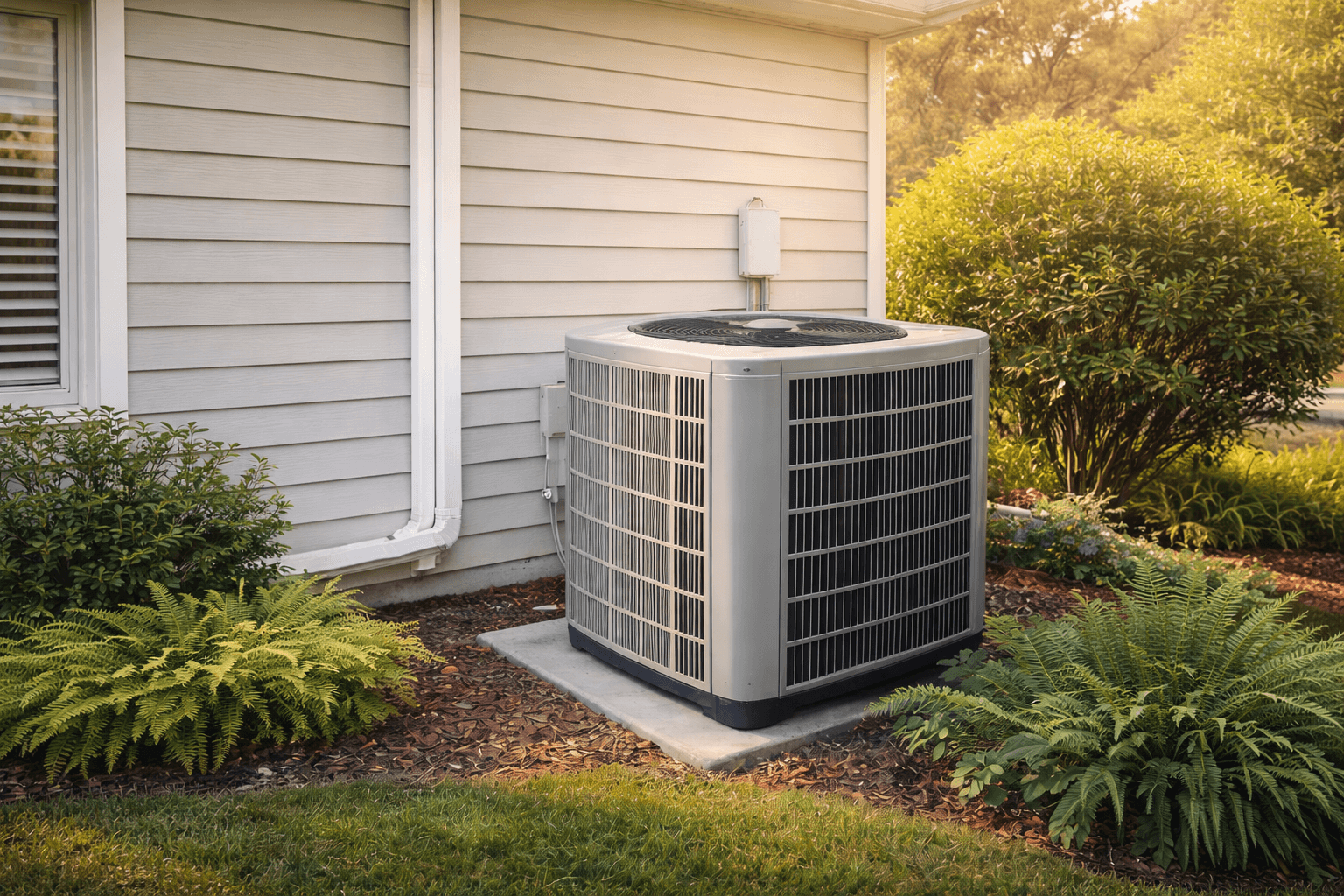
18
tasks
15–30 min (DIY) / 1–2 hrs (pro)
Est. time
DIY basics + annual pro tune-up
DIY vs Pro
What to Prioritize First
If you only have a few minutes, focus on the tasks that prevent water damage, safety issues, and emergency service calls.
Start here this month
Replace or clean air filter is the highest-leverage recurring check for this system.
Next step: Put it on a calendar reminder and document anything that looks different from last month.
Move faster when warning signs appear
Weak airflow from vents usually means could indicate clogged filter, duct leak, or failing blower.
Next step: Do not wait for the next seasonal checklist if the symptom is new, worsening, or tied to water, heat, gas, or electricity.
Know the pro threshold
Gas smell near the furnace is a stop-and-call-a-pro condition.
Next step: Use DIY maintenance for observation and prevention; use licensed pros for safety, code, and concealed-system work.
Do This First
When to call a pro: Call a licensed HVAC technician for refrigerant issues, electrical problems, strange noises, or any gas-related concerns.
Maintenance Schedule
Tasks organized by frequency to help you plan.
MMonthly Tasks
Replace or clean air filter
Keeps airflow steady and reduces strain on the system.
Check thermostat accuracy
Ensures your system heats and cools as expected.
Inspect supply and return vents
Removes blockages that reduce efficiency.
Check condensate drain line
Prevents clogs that cause water damage.
SSeasonal Tasks
Clear debris around outdoor unit
Maintains airflow and prevents overheating.
Clean outdoor condenser coils
Improves heat transfer and efficiency.
Check refrigerant lines for damage
Catches leaks before they cause system failure.
Test heating before winter
Ensures the furnace works when you need it.
Test cooling before summer
Avoids breakdowns during heat waves.
AAnnual Tasks
Schedule professional tune-up
Catches problems early and maintains warranty.
Inspect ductwork for leaks
Sealed ducts improve efficiency by 20–30%.
Check blower motor and fan
Worn parts reduce airflow and increase energy use.
Inspect electrical connections
Loose connections cause system failures.
Common Problems & Warning Signs
Watch for these symptoms and know what they might mean.
Weak airflow from vents
Could indicate clogged filter, duct leak, or failing blower.
Unusual noises (grinding, squealing)
Often signals worn bearings or loose components.
Frequent cycling on and off
May indicate thermostat issues or oversized system.
Uneven temperatures between rooms
Could be duct problems or zoning issues.
Higher than normal energy bills
System may be working harder due to maintenance issues.
Musty or burning smell
Could indicate mold in ducts or electrical problems.
Ice on refrigerant lines
Low refrigerant or airflow restriction.
System runs but doesn't cool/heat
Refrigerant leak or compressor issue.
Stop & Call a Pro If You Notice
- Gas smell near the furnace
- Carbon monoxide detector alarm
- Electrical burning smell
- System won't turn on at all
- Visible refrigerant leak
Maintenance needs vary by climate. Humid coastal areas require more attention to condensation and mold. Desert climates mean more dust in filters. Freezing winters demand pre-season heating checks.
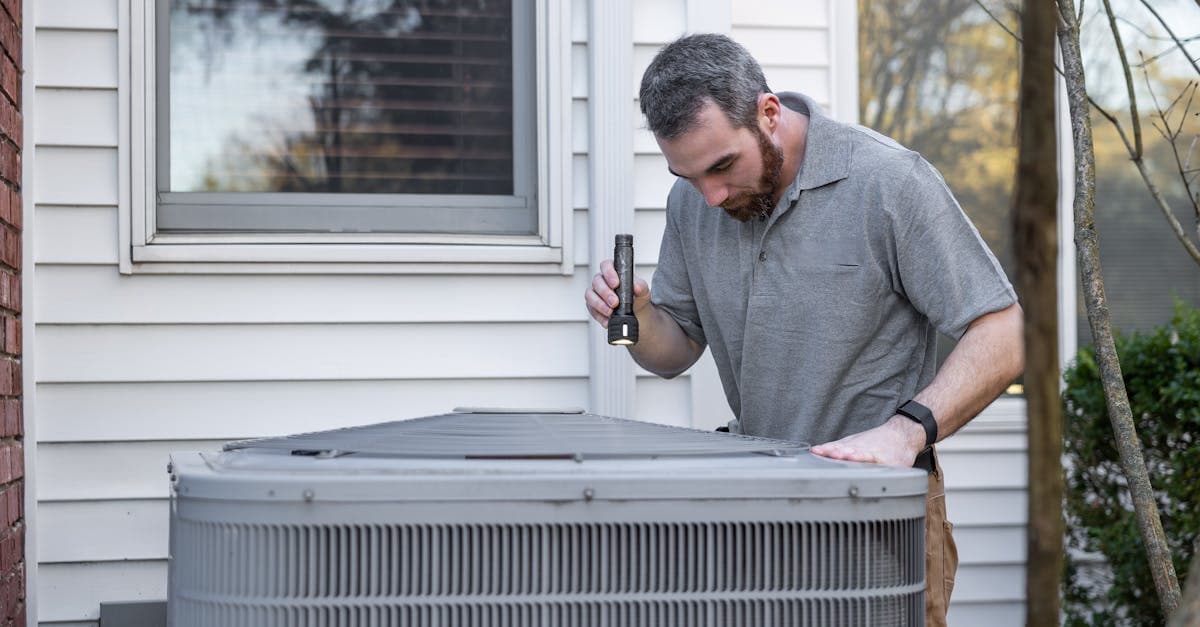
Technician servicing HVAC equipment
Related Cost Guides
Plan your budget for maintenance and repairs.
HVAC Maintenance FAQ
How often should I change my HVAC filter?
Most filters need changing every 1–3 months. Check monthly and replace when visibly dirty. Homes with pets or allergies may need more frequent changes.
Do I really need annual HVAC maintenance?
Yes. Professional tune-ups catch problems early, maintain warranty coverage, and keep the system running efficiently. Skipping maintenance often leads to bigger repair bills.
What's the difference between DIY and professional HVAC maintenance?
DIY covers filter changes, vent cleaning, and visual checks. Pros handle refrigerant levels, electrical testing, combustion analysis, and deep cleaning that requires specialized tools.
How long does an HVAC system last with proper maintenance?
Well-maintained systems typically last 15–20 years. Neglected systems often fail in 10–12 years. Regular maintenance can add 5+ years to system life.
When is the best time to schedule HVAC maintenance?
Schedule heating maintenance in fall and cooling maintenance in spring. This ensures your system is ready for peak demand and contractors are less busy.