
Overview
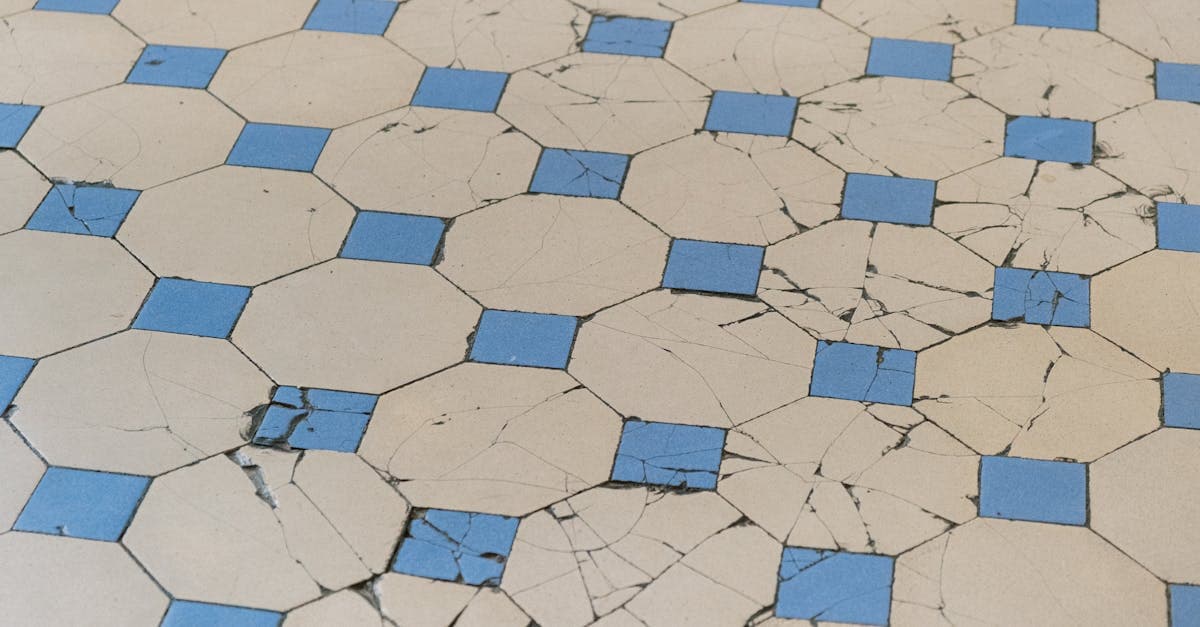
A broken tile doesn't mean you need to replace the entire floor or wall. With the right tools and technique, you can replace a single tile and restore your surface to like-new condition. This guide covers the process for both floor and wall tiles.
Why This Matters
Replacing a single broken tile is far more cost-effective than redoing an entire surface. A professional tile replacement typically costs $100-$300, while DIY replacement costs $20-$50 in materials. More importantly, fixing broken tiles prevents water damage and maintains your home's appearance.
Step 1: Gather Materials and Tools
Find a Matching Tile
Options:
- Check for leftover tiles from original installation
- Contact the original installer or previous homeowner
- Bring a sample to tile stores to find a close match
- If exact match isn't possible, consider a complementary accent tile
Calculate Materials
You'll need:
- 1 replacement tile (plus 1 spare if available)
- Tile adhesive or thinset (small container)
- Grout (matching color, small bag)
- Grout sealer
Step 2: Remove the Broken Tile
Safety First
Wear safety glasses and work gloves. Tile shards can be sharp.
For Floor Tiles
- Break the tile into smaller pieces using a hammer and chisel
- Start from the center and work outward to avoid damaging adjacent tiles
- Remove tile pieces carefully with a putty knife
- Clean out all adhesive from the substrate using a chisel
- Vacuum and clean the area thoroughly
For Wall Tiles
- Score the grout around the tile with a utility knife
- Break the tile starting from center
- Remove pieces carefully to avoid damaging surrounding tiles
- Clean adhesive from the wall surface
- Check substrate for damage (repair if needed)
Step 3: Prepare the Substrate
Clean the Area
- Remove all old adhesive and grout residue
- Vacuum thoroughly
- Wipe with damp sponge and let dry
- Ensure surface is level and smooth
Check for Damage
If substrate is damaged:
- For floors: Patch with leveling compound if needed
- For walls: Repair drywall or backer board before tiling
Step 4: Install the New Tile
Apply Adhesive
- Mix adhesive according to package directions (if using powder)
- Apply adhesive to the substrate using a trowel
- Use the flat side to spread, then notched side to create ridges
- Work in small area - adhesive dries quickly
Set the Tile
- Press tile firmly into adhesive
- Use spacers if needed to match surrounding tile spacing
- Check level with surrounding tiles
- Wipe excess adhesive immediately with damp sponge
- Let adhesive cure 24-48 hours before grouting
Step 5: Grout the Tile
Prepare Grout
- Mix grout according to package directions
- Consistency should be like peanut butter
- Let sit 5-10 minutes (slake time)
Apply Grout
- Spread grout over the tile and into joints
- Hold trowel at 45-degree angle and press grout into joints
- Remove excess with trowel, holding at 90-degree angle
- Let grout set 15-20 minutes
- Clean tile surface with damp sponge (not too wet)
- Polish with dry cloth once grout is firm
Step 6: Seal and Finish
Seal Grout
- Wait 48-72 hours after grouting
- Apply grout sealer according to product instructions
- Protect tile surface from sealer (tape if needed)
- Allow to dry completely
Common Mistakes to Avoid
Rushing Removal
Don't: Try to pry out tile in one piece Do: Break into small pieces and remove carefully
Inadequate Cleaning
Don't: Leave old adhesive residue Do: Clean substrate thoroughly for proper adhesion
Wrong Adhesive
Don't: Use the wrong type of adhesive for your tile/substrate Do: Match adhesive to tile type (ceramic, porcelain, natural stone)
Grouting Too Soon
Don't: Grout before adhesive is fully cured Do: Wait 24-48 hours as recommended
When to Call a Professional
Consider professional help if:
- Multiple tiles are damaged
- Substrate is significantly damaged
- You're uncomfortable with the process
- Tiles are expensive or hard to match
- The installation requires special techniques
Prevention Tips
- Use area rugs in high-traffic tile areas
- Avoid dropping heavy objects on tile
- Clean grout regularly to prevent deterioration
- Address loose tiles promptly before they break
- Use proper cleaning products (avoid harsh chemicals)
Maintenance After Replacement
- Clean regularly with tile-appropriate cleaners
- Reseal grout annually in wet areas
- Address any new cracks or loose tiles immediately
- Protect tiles from heavy impacts
Conclusion
Replacing a broken tile is a manageable DIY project that saves money and maintains your home's appearance. The key is careful removal, proper preparation, and following adhesive and grout timing recommendations. With patience and the right materials, you can restore your tile surface to like-new condition.
Frequently Asked Questions
How do I find a matching tile?
Check with the original installer, look for leftover tiles, or bring a sample to a tile store. If exact match isn't possible, choose a complementary tile for an accent.
Can I replace a tile without removing surrounding tiles?
Yes, with careful removal you can replace a single tile. The key is removing the broken tile without damaging adjacent tiles or the substrate.
How long does tile adhesive take to dry?
Most tile adhesives need 24-48 hours to fully cure before you can grout. Check the product instructions for specific timing.