
Water Heater Maintenance Checklist
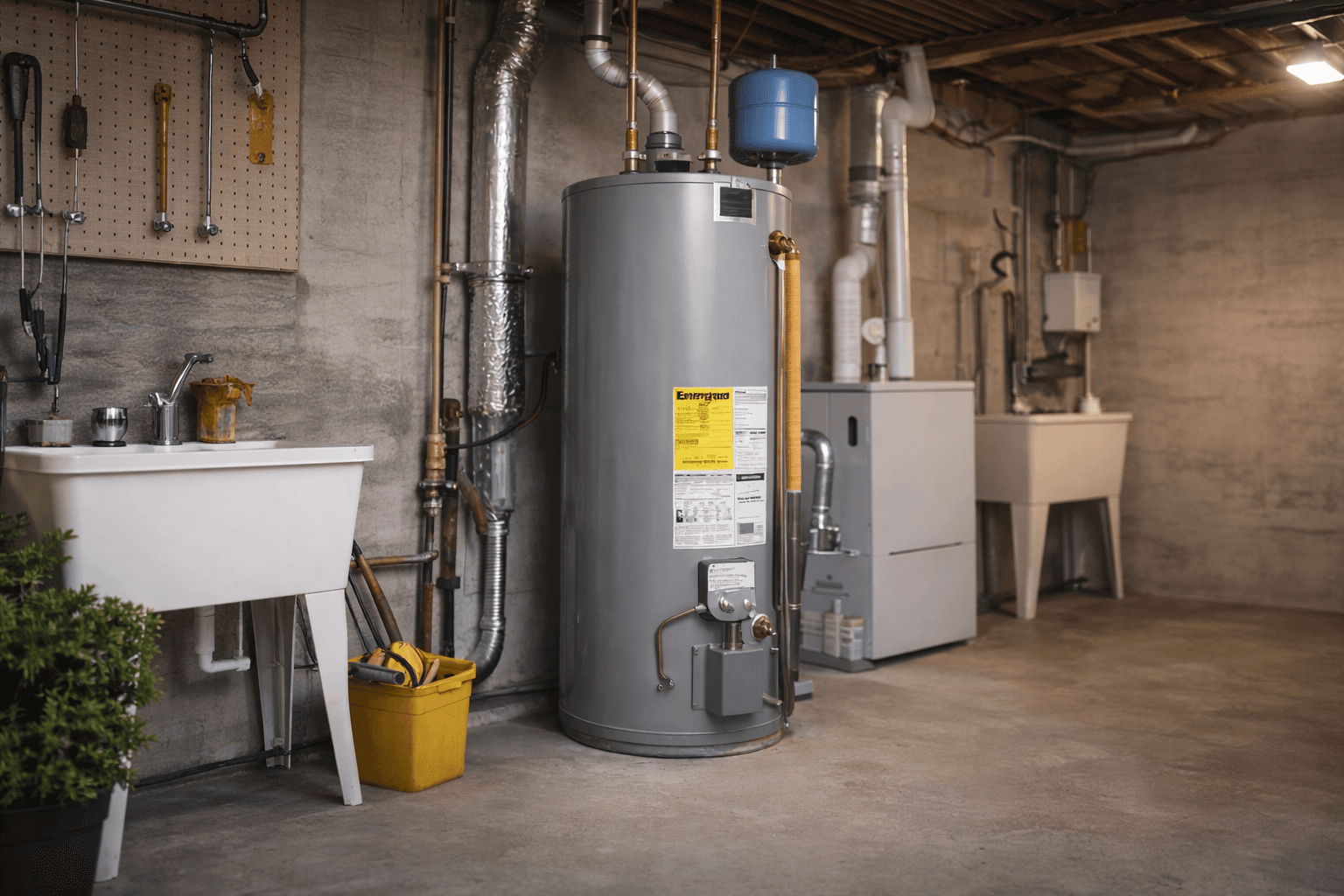
Your water heater provides hot water for bathing, cleaning, and cooking. Regular maintenance extends tank life, improves efficiency, and helps you avoid the inconvenience and cost of sudden failure.
We'll send your free checklist and tips. Unsubscribe anytime.
17
tasks
10 min (checks) / 30 min (flush)
Est. time
DIY maintenance + pro for repairs
DIY vs Pro
What to Prioritize First
If you only have a few minutes, focus on the tasks that prevent water damage, safety issues, and emergency service calls.
Start here this month
Check for leaks around base is the highest-leverage recurring check for this system.
Next step: Put it on a calendar reminder and document anything that looks different from last month.
Move faster when warning signs appear
Rusty or discolored hot water usually means tank corrosion—replacement may be needed soon.
Next step: Do not wait for the next seasonal checklist if the symptom is new, worsening, or tied to water, heat, gas, or electricity.
Know the pro threshold
Gas smell near the unit is a stop-and-call-a-pro condition.
Next step: Use DIY maintenance for observation and prevention; use licensed pros for safety, code, and concealed-system work.
Do This First
When to call a pro: Call a licensed plumber for gas line issues, pilot light problems, major leaks, or anode rod replacement if you're not comfortable doing it yourself.
Maintenance Schedule
Tasks organized by frequency to help you plan.
MMonthly Tasks
Check for leaks around base
Catches tank failure early before major water damage.
Listen for unusual sounds
Popping or rumbling indicates sediment buildup.
Check water temperature at faucet
Ensures thermostat is working correctly.
Inspect area around unit for moisture
Detects slow leaks or condensation issues.
SSeasonal Tasks
Test T&P relief valve
This safety valve prevents tank explosion.
Check pilot light (gas units)
Ensures reliable ignition.
Inspect gas line connections (gas units)
Detects potential gas leaks.
Clear area around water heater
Fire safety and proper ventilation.
AAnnual Tasks
Flush tank to remove sediment
Extends tank life and improves heating efficiency.
Inspect and possibly replace anode rod
Sacrificial rod protects tank from corrosion.
Check venting for blockages (gas units)
Proper venting prevents carbon monoxide buildup.
Inspect electrical connections (electric units)
Loose connections cause failures.
Common Problems & Warning Signs
Watch for these symptoms and know what they might mean.
Rusty or discolored hot water
Tank corrosion—replacement may be needed soon.
Popping or rumbling sounds
Sediment buildup on tank bottom.
Water not as hot as usual
Failing heating element or thermostat.
Longer recovery time
Sediment buildup or failing element.
Puddles around the base
Tank leak—prepare for replacement.
Pilot light won't stay lit (gas)
Thermocouple failure or gas issue.
Age over 10 years
Approaching end of typical tank life.
Higher energy bills
Efficiency loss from sediment or age.
Stop & Call a Pro If You Notice
- Gas smell near the unit
- Water flooding from the tank
- No hot water at all
- T&P valve continuously releasing water
- Visible corrosion on tank
Water heater maintenance varies by region. Hard water areas need more frequent flushing—sediment builds up faster. Cold climates may need insulation blankets. Humid areas should check for condensation.
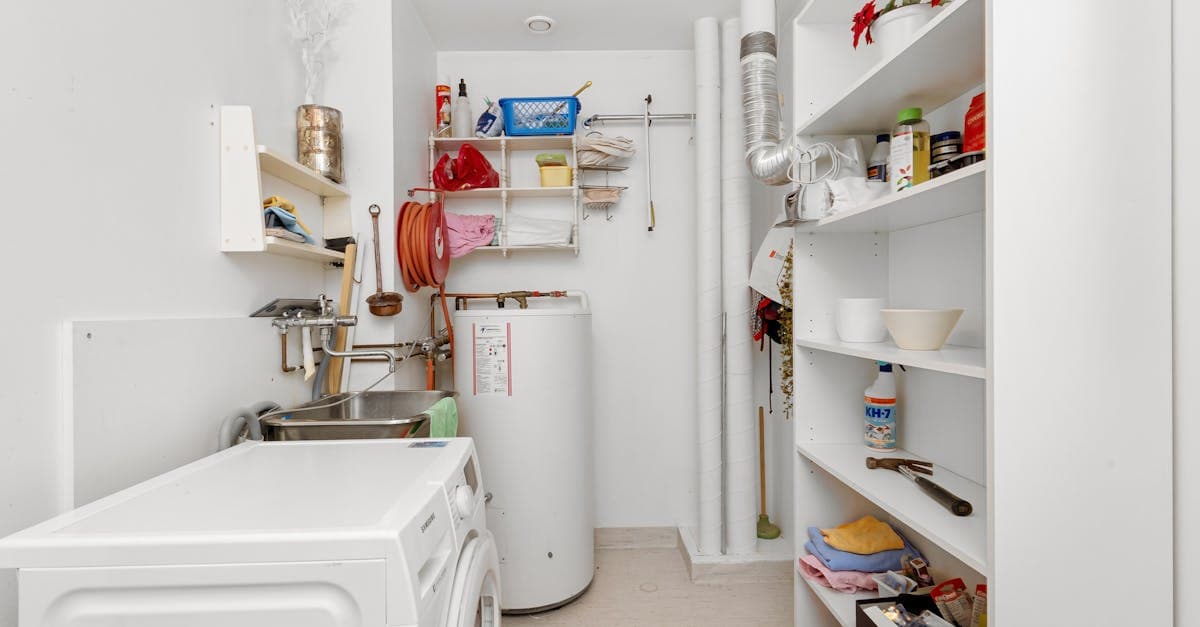
Signs your water heater needs attention
Related Cost Guides
Plan your budget for maintenance and repairs.
Water Heater Maintenance FAQ
How often should I flush my water heater?
Flush once a year to remove sediment. In hard water areas, flush every 6 months. Regular flushing can extend tank life by several years.
What is an anode rod and when should I replace it?
The anode rod is a sacrificial metal rod that protects your tank from corrosion. Check it every 2–3 years and replace when more than 50% depleted.
How long do water heaters typically last?
Tank water heaters last 8–12 years with maintenance. Tankless units can last 15–20 years. Proper maintenance significantly extends lifespan.
What temperature should my water heater be set to?
120°F is recommended for most homes. This prevents scalding while still killing most bacteria. Higher temperatures waste energy.
Is it safe to test the T&P relief valve myself?
Yes, but be careful—hot water will release. Lift the lever briefly and let it snap back. If water doesn't flow or the valve leaks afterward, call a plumber.